In an era when technology seems to defy all limits, one age-old barrier has managed to endure: geography.As geopolitical turbulence continues to disrupt traffic through the Strait of Hormuz – a vital shipping artery, especially for energy – the search for other fuel sources, and other means of transport, has shifted from a strategic luxury to an existential necessity. This need has become particularly acute for China, a major consumer of fossil fuels.Middle Eastern imports remain a significant component of China’s energy mix, with Qatar and the United Arab Emirates supplying about 30 per cent of its liquefied natural gas (LNG) imports last year, according to S&P Global Energy.
SRCSouth China Morning Post
LANGEN
LEANCenter-Right
WORDS109
ENT10
FRI · 2026-05-22 · 22:00 GMTBRIEF NSR-2026-0523-78535
NSR-2026-0523-78535Analysis·EN·Political Strategy
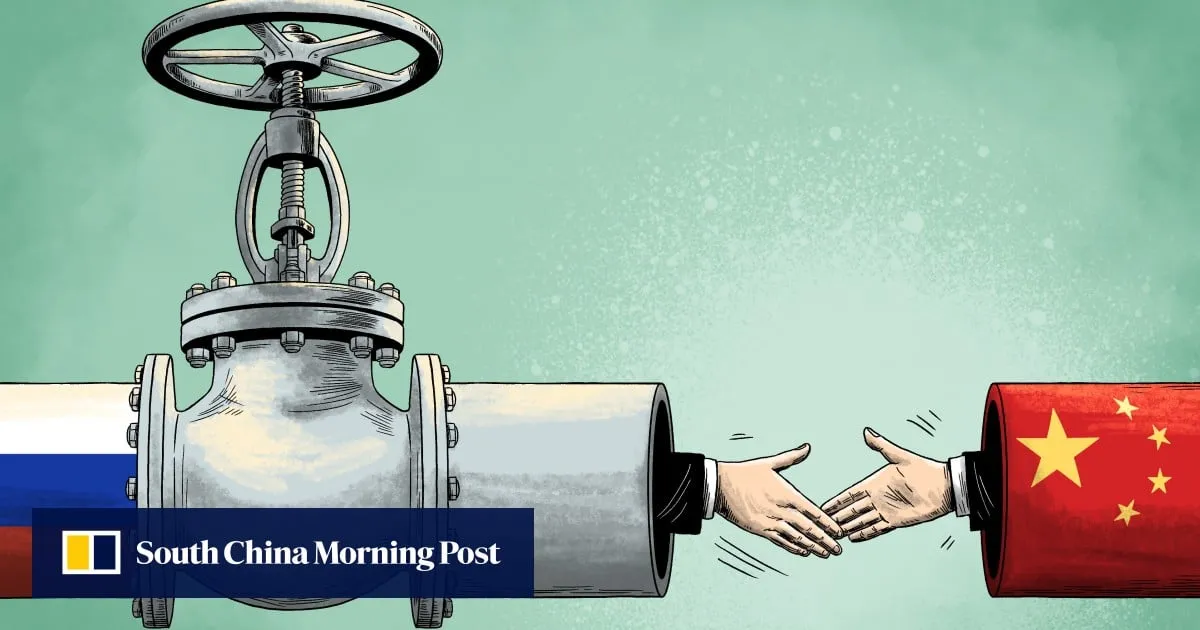
Putin left China, without a pipeline deal. Why didn’t the Hormuz crisis open the valve?
Despite geopolitical disruptions in the Strait of Hormuz, a vital energy shipping route, Russian President Vladimir Putin recently visited China without securing a new pipeline deal. The article highlights that geography remains a significant barrier, making alternative fuel sources and transport methods an existential necessity, particularly for China, a major fossil fuel consumer.
Alice Li,Sylvia Ma,Kandy WongSouth China Morning PostFiled 2026-05-22 · 22:00 GMTLean · Center-RightRead · 1 min
South China Morning PostFIG 01
Reading time
1min
Word count
109words
Sources cited
1cited
Entities identified
10entities
Quality score
100%
§ 01
Briefing Summary
AI-generatedNEWSAR · AI
Despite geopolitical disruptions in the Strait of Hormuz, a vital energy shipping route, Russian President Vladimir Putin recently visited China without securing a new pipeline deal. The article highlights that geography remains a significant barrier, making alternative fuel sources and transport methods an existential necessity, particularly for China, a major fossil fuel consumer. Middle Eastern imports, including LNG from Qatar and the UAE, constitute a substantial part of China's energy supply. The ongoing turbulence in the Strait of Hormuz underscores the strategic importance of diversifying energy routes and sources for nations like China.
Confidence 0.85Sources 1Claims 4Entities 10
§ 02
Article analysis
Model · rule-basedFraming
Political Strategy
Economic Impact
Tone
Mixed Tone
AI-assessed
CalmNeutralAlarmist
Factuality
0.60 / 1.00
Mixed
LowHigh
Sources cited
1
Limited
FewMany
§ 03
Key claims
4 extracted01
Qatar and the UAE supplied about 30 per cent of China's LNG imports last year.
statisticS&P Global Energy
Confidence
1.00
02
Geopolitical turbulence disrupts traffic through the Strait of Hormuz.
factual
Confidence
0.95
03
China is a major consumer of fossil fuels and faces an existential necessity for alternative fuel sources and transport.
factual
Confidence
0.90
04
Geographical barriers persist despite technological advancements.
factual
Confidence
0.90
§ 04
Full report
1 min read · 109 words§ 05
Entities
10 identifiedKey playerOppositionContextPositiveNeutralNegative
Organizations1
Locations4
§ 06
Keywords & salience
8 termsstrait of hormuz
1.00
energy security
0.90
china
0.80
geopolitics
0.70
lng imports
0.60
middle eastern imports
0.50
pipeline deal
0.40
transport
0.40
§ 07
Topic connections
Interactive graph Network visualization showing 51 related topics
View Full Graph Person Organization Location Event|Click node to navigate|Edge numbers = shared articles