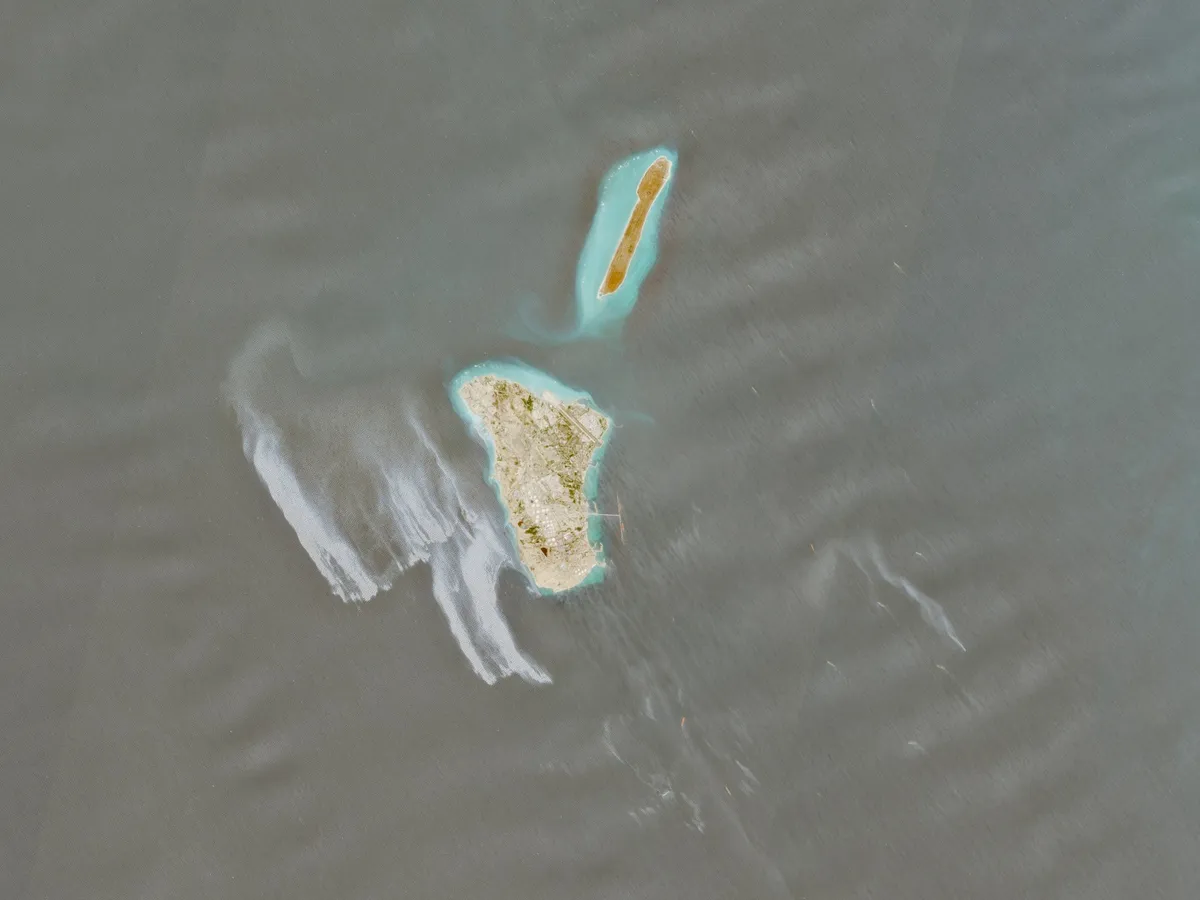
Long after fighting is over, the toxic leftovers of war continue to poison communities and the environment.Published On 23 May 2026War is measured first in lives lost, families uprooted and neighbourhoods reduced to rubble. But there are also deadly consequences that are often ignored. Pollution caused by war can settle over cities, contaminate water and soil, and shape public health long after the fighting is over. This is the case with the Iran-war" class="entity-link entity-event" data-entity-id="38748" data-entity-type="event">Iran war.The six weeks of bombardment in Iran and the Gulf that saw attacks on energy infrastructure have already taken a toll. Burning fuel tanks send toxic particles into the air, while debris, run-off and oil residues threaten coastal waters and marine ecosystems across the Gulf, where pollution can spread far beyond the immediate strike zone.The region has seen before how long such damage can last. During the Gulf-war" class="entity-link entity-event" data-entity-id="132812" data-entity-type="event">1991 Gulf War, retreating Iraqi forces set fire to more than 600 Kuwaiti oil wells. For months, dense smoke covered the skies, causing widespread air pollution, contamination of soil and groundwater across the Gulf – and a generation of health consequences.The United Nations later treated much of that destruction as compensable harm: Through the UN-compensation-commission" class="entity-link entity-organization" data-entity-id="132811" data-entity-type="organization">UN Compensation Commission, Iraq ultimately paid more than $50bn for damage linked to oil fires, marine pollution and ecosystem loss.Ukraine offers another terrifying example. The ongoing war has created a toxic legacy, with attacks on fuel depots, industrial sites, chemical warehouses and energy infrastructure contaminating air, rivers and farmland across large parts of the country. UN agencies and Ukrainian organisations have documented thousands of incidents of environmental harm since the invasion began, including fires at oil facilities, deforestation, contamination from damaged industrial sites, and widespread risks to water systems.
SRCAl Jazeera
LANGEN
LEANCenter
WORDS283
ENT12
SAT · 2026-05-23 · 12:50 GMTBRIEF NSR-2026-0523-78671
NSR-2026-0523-78671News Report·EN·Environmental
The pollution that outlives war
The article highlights the enduring environmental and health consequences of war, which persist long after conflicts end. Attacks on energy infrastructure, such as those during the Iran war and the 1991 Gulf War, release toxic particles into the air and contaminate water and soil.
Felix HorneAl JazeeraFiled 2026-05-23 · 12:50 GMTLean · CenterRead · 2 min
Al JazeeraFIG 01
Reading time
2min
Word count
283words
Sources cited
2cited
Entities identified
12entities
Quality score
100%
§ 01
Briefing Summary
AI-generatedNEWSAR · AI
The article highlights the enduring environmental and health consequences of war, which persist long after conflicts end. Attacks on energy infrastructure, such as those during the Iran war and the 1991 Gulf War, release toxic particles into the air and contaminate water and soil. The 1991 Gulf War saw Iraqi forces set fire to over 600 Kuwaiti oil wells, causing widespread air pollution and long-term health issues, leading to over $50 billion in compensation paid by Iraq for damages. In Ukraine, ongoing attacks on fuel depots, industrial sites, and chemical warehouses are contaminating air, rivers, and farmland, with thousands of environmental harm incidents documented by UN agencies and Ukrainian organizations. These examples demonstrate how war's toxic legacy continues to poison communities and ecosystems for generations.
Confidence 0.90Sources 2Claims 5Entities 12
§ 02
Article analysis
Model · rule-basedFraming
Environmental
Public Health
Tone
Mixed Tone
AI-assessed
CalmNeutralAlarmist
Factuality
0.70 / 1.00
Factual
LowHigh
Sources cited
2
Limited
FewMany
§ 03
Key claims
5 extracted01
During the 1991 Gulf War, retreating Iraqi forces set fire to over 600 Kuwaiti oil wells, causing widespread air pollution and soil/groundwater contamination.
factual
Confidence
0.95
02
The UN Compensation Commission awarded over $50bn for damages linked to oil fires, marine pollution, and ecosystem loss from the 1991 Gulf War.
statisticUnited Nations
Confidence
0.90
03
Pollution caused by war can settle over cities, contaminate water and soil, and shape public health long after fighting ends.
factual
Confidence
0.90
04
The ongoing war in Ukraine has created a toxic legacy with attacks on industrial sites and energy infrastructure contaminating air, rivers, and farmland.
factual
Confidence
0.85
05
Attacks on energy infrastructure during the Iran war led to burning fuel tanks sending toxic particles into the air and oil residues threatening coastal waters.
factual
Confidence
0.80
§ 04
Full report
2 min read · 283 words§ 05
Entities
12 identifiedKey playerOppositionContextPositiveNeutralNegative
Locations5
§ 06
Keywords & salience
10 termswar pollution
1.00
environmental damage
0.90
toxic legacy
0.80
public health
0.70
gulf war
0.60
ukraine war
0.60
contamination
0.50
energy infrastructure
0.50
oil spills
0.40
ecosystem loss
0.40
§ 07
Topic connections
Interactive graph No topic relationship data available yet. This graph will appear once topic relationships have been computed.