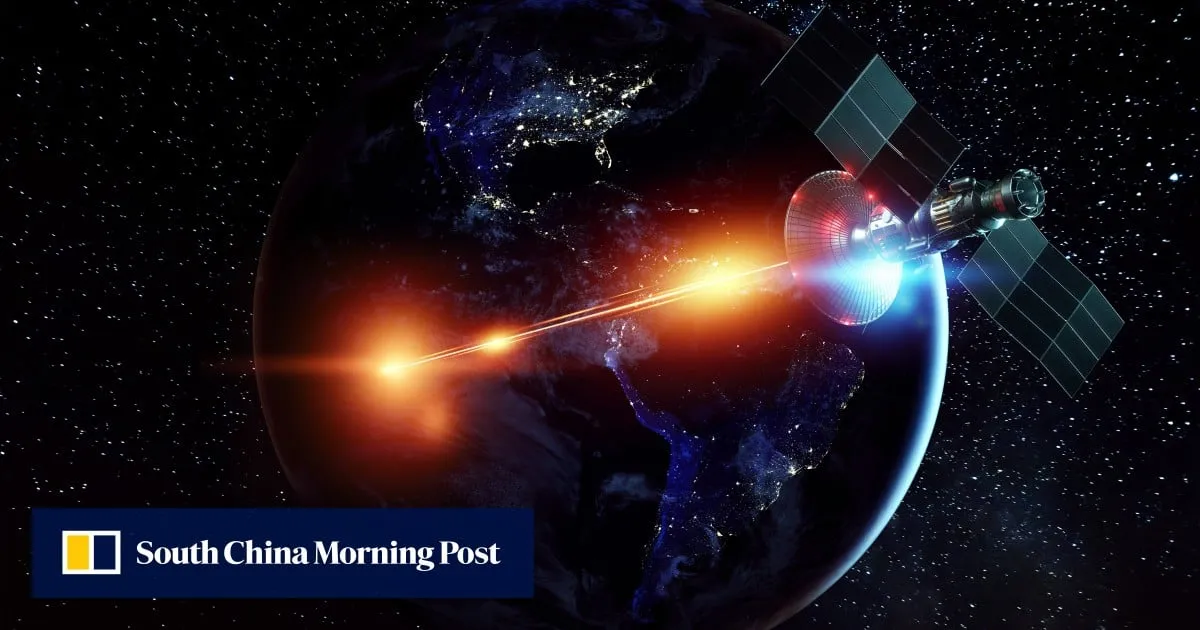
The collapse of UN talks on the future of the Nuclear Non-Proliferation Treaty has sharpened concern in Japan that outer space could become the next arena for nuclear and military rivalry.With Russia accused of developing a nuclear anti-satellite capability, China and Russia advancing weapons that can disable satellites, and the US pursuing space-based missile defence systems, some in Tokyo say Japan should take the lead in drawing up new rules for the peaceful use of space.Analysts say any binding agreement would be difficult, given the polarisation of major powers and deepening geopolitical rivalries, but Japan has unusual credibility as a space-capable nation, a strong supporter of nuclear non-proliferation and the only country to have suffered a nuclear attack.
SRCSouth China Morning Post
LANGEN
LEANCenter-Right
WORDS118
ENT12
WED · 2026-05-27 · 00:00 GMTBRIEF NSR-2026-0527-79455
NSR-2026-0527-79455Analysis·EN·National Security
Can Japan lead push to halt space militarisation as nuclear rivalry heats up?
Following the collapse of UN talks on the Nuclear Non-Proliferation Treaty, Japan is increasingly concerned that outer space may become a new theater for nuclear and military competition. This concern is heightened by accusations of Russia developing nuclear anti-satellite capabilities, China and Russia advancing satellite-disabling weapons, and the US pursuing space-based missile defense systems.
Julian RyallSouth China Morning PostFiled 2026-05-27 · 00:00 GMTLean · Center-RightRead · 1 min
South China Morning PostFIG 01
Reading time
1min
Word count
118words
Sources cited
3cited
Entities identified
12entities
Quality score
100%
§ 01
Briefing Summary
AI-generatedNEWSAR · AI
Following the collapse of UN talks on the Nuclear Non-Proliferation Treaty, Japan is increasingly concerned that outer space may become a new theater for nuclear and military competition. This concern is heightened by accusations of Russia developing nuclear anti-satellite capabilities, China and Russia advancing satellite-disabling weapons, and the US pursuing space-based missile defense systems. Some in Tokyo believe Japan should spearhead efforts to establish new regulations for the peaceful use of space. While analysts acknowledge the difficulty of achieving a binding agreement due to global power polarization and geopolitical rivalries, Japan possesses unique credibility as a space-faring nation, a proponent of nuclear non-proliferation, and the sole nation to have experienced a nuclear attack.
Confidence 0.85Sources 3Claims 5Entities 12
§ 02
Article analysis
Model · rule-basedFraming
National Security
Diplomatic
Tone
Measured
AI-assessed
CalmNeutralAlarmist
Factuality
0.60 / 1.00
Mixed
LowHigh
Sources cited
3
Well sourced
FewMany
§ 03
Key claims
5 extracted01
The US is pursuing space-based missile defence systems.
factualarticle
Confidence
0.80
02
China and Russia are advancing weapons that can disable satellites.
factualarticle
Confidence
0.80
03
Russia is accused of developing a nuclear anti-satellite capability.
factualarticle
Confidence
0.80
04
Japan should take the lead in drawing up new rules for the peaceful use of space.
quotesome in Tokyo
Confidence
0.70
05
Outer space could become the next arena for nuclear and military rivalry.
factualconcern in Japan
Confidence
0.70
§ 04
Full report
1 min read · 118 words§ 05
Entities
12 identifiedKey playerOppositionContextPositiveNeutralNegative
Locations5
§ 06
Keywords & salience
8 termsspace militarisation
1.00
nuclear rivalry
0.90
nuclear non-proliferation treaty
0.80
peaceful use of space
0.70
anti-satellite capability
0.60
space-based missile defence
0.50
geopolitical rivalries
0.40
nuclear non-proliferation
0.40
§ 07
Topic connections
Interactive graph Network visualization showing 51 related topics
View Full Graph Person Organization Location Event|Click node to navigate|Edge numbers = shared articles