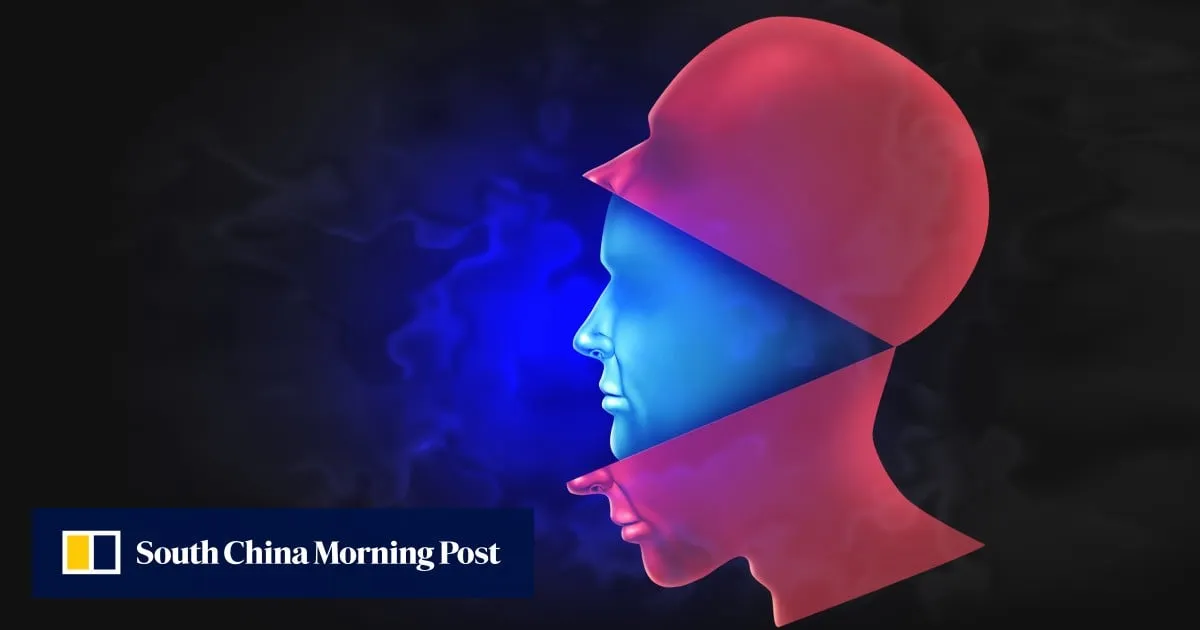
A wave of AI-generated deepfakes and fake endorsements has pushed Indian celebrities, from cricket stars to Bollywood actors, towards the courts seeking stronger protection for their name, image, voice and likeness.Lawyers say the litigation has exposed a widening gap in Indian law, with courts increasingly recognising personality rights even though the country lacks a dedicated statute to enforce them.The campaign gained momentum last December, when Indian cricket legend Sunil Gavaskar secured a court order restraining multiple platforms from the unauthorised use of his name, likeness and voice through AI technologies.
SRCSouth China Morning Post
LANGEN
LEANCenter-Right
WORDS90
ENT7
WED · 2026-05-27 · 12:00 GMTBRIEF NSR-2026-0527-79645
NSR-2026-0527-79645News Report·EN·Legal & Judicial
AI deepfakes expose legal vacuum in India’s celebrity rights protection
Indian celebrities, including cricketers and Bollywood actors, are increasingly taking legal action due to a surge in AI-generated deepfakes and fake endorsements. This litigation highlights a significant gap in Indian law, as courts are recognizing personality rights despite the absence of a specific statute.
Biman MukherjiSouth China Morning PostFiled 2026-05-27 · 12:00 GMTLean · Center-RightRead · 1 min
South China Morning PostFIG 01
Reading time
1min
Word count
90words
Sources cited
1cited
Entities identified
7entities
Quality score
100%
§ 01
Briefing Summary
AI-generatedNEWSAR · AI
Indian celebrities, including cricketers and Bollywood actors, are increasingly taking legal action due to a surge in AI-generated deepfakes and fake endorsements. This litigation highlights a significant gap in Indian law, as courts are recognizing personality rights despite the absence of a specific statute. The issue gained prominence in December when cricket legend Sunil Gavaskar obtained a court order to prevent unauthorized use of his name, likeness, and voice via AI. Lawyers note that these cases demonstrate a growing need for stronger legal protections for celebrities' name, image, voice, and likeness in India.
Confidence 0.85Sources 1Claims 4Entities 7
§ 02
Article analysis
Model · rule-basedFraming
Legal & Judicial
Technology
Tone
Measured
AI-assessed
CalmNeutralAlarmist
Factuality
0.80 / 1.00
Factual
LowHigh
Sources cited
1
Limited
FewMany
§ 03
Key claims
4 extracted01
Indian cricket legend Sunil Gavaskar secured a court order against unauthorized use of his name, likeness, and voice through AI technologies.
factual
Confidence
1.00
02
India lacks a dedicated statute to enforce personality rights.
factual
Confidence
0.90
03
Litigation in India has exposed a gap in the law regarding personality rights, despite courts recognizing them.
factualLawyers
Confidence
0.90
04
AI-generated deepfakes and fake endorsements are pushing Indian celebrities to seek stronger legal protection for their name, image, voice, and likeness.
factual
Confidence
0.90
§ 04
Full report
1 min read · 90 words§ 05
Entities
7 identifiedKey playerOppositionContextPositiveNeutralNegative
Organizations1
Locations1
§ 06
Keywords & salience
8 termscelebrity rights
1.00
ai deepfakes
1.00
legal vacuum
0.90
personality rights
0.80
india
0.70
ai technologies
0.60
fake endorsements
0.50
sunil gavaskar
0.40
§ 07
Topic connections
Interactive graph Network visualization showing 51 related topics
View Full Graph Person Organization Location Event|Click node to navigate|Edge numbers = shared articles