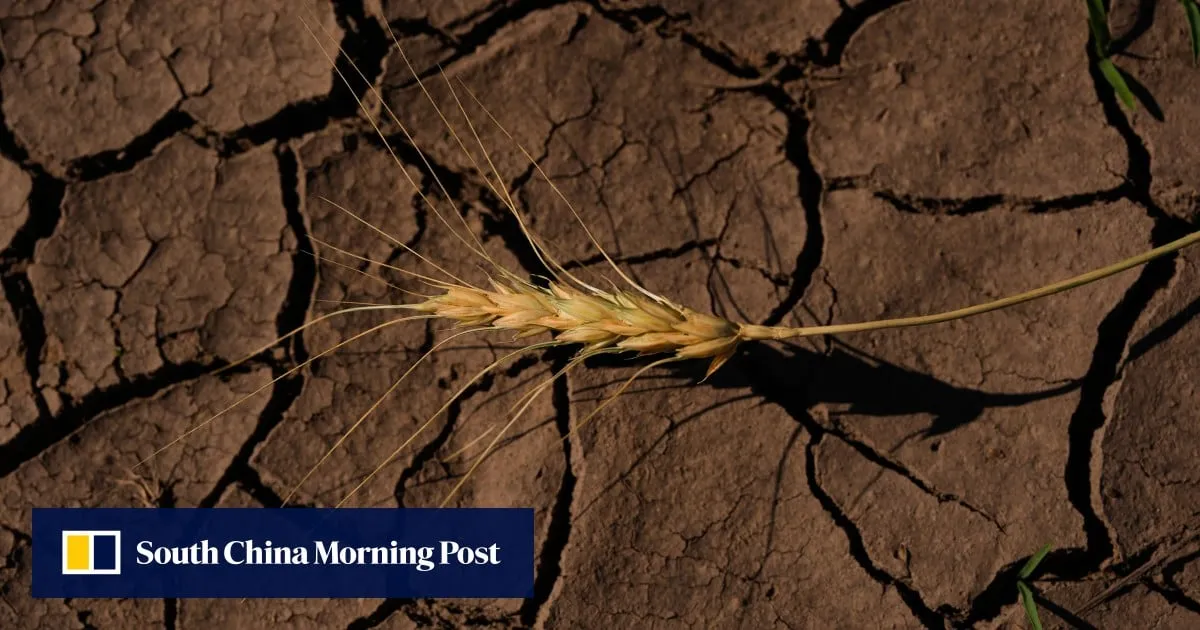
In the next five years, the Earth is overwhelmingly likely to surge again and again past the international climate threshold set as safe and shatter its hottest-year record along the way, according to new United Nations climate projections.The World Meteorological Organization also forecasts an overheating Arctic that warms nearly 1.66 degrees Celsius (3 Fahrenheit) between now and 2030 and a dangerous drought with potential wildfires for the Amazon, a crucial part of Earth’s natural defences to lessen human-caused Climate Change.A hotter globe from the burning of Coal, Oil and Gas means more Extreme Weather including floods, droughts and heatwaves, scientists said.
SRCSouth China Morning Post
LANGEN
LEANCenter-Right
WORDS101
ENT10
THU · 2026-05-28 · 04:54 GMTBRIEF NSR-2026-0528-79791
NSR-2026-0528-79791News Report·EN·Environmental
Earth is hot and getting hotter: UN warns next 5 years likely to smash records
The United Nations, through the World Meteorological Organization, projects that Earth is overwhelmingly likely to surpass its safe climate threshold multiple times and break its hottest-year record within the next five years. These projections also indicate an overheating Arctic, with temperatures expected to rise by nearly 1.66 degrees Celsius by 2030.
Associated PressSouth China Morning PostFiled 2026-05-28 · 04:54 GMTLean · Center-RightRead · 1 min
South China Morning PostFIG 01
Reading time
1min
Word count
101words
Sources cited
1cited
Entities identified
10entities
Quality score
100%
§ 01
Briefing Summary
AI-generatedNEWSAR · AI
The United Nations, through the World Meteorological Organization, projects that Earth is overwhelmingly likely to surpass its safe climate threshold multiple times and break its hottest-year record within the next five years. These projections also indicate an overheating Arctic, with temperatures expected to rise by nearly 1.66 degrees Celsius by 2030. Furthermore, the Amazon region faces a dangerous drought, increasing the risk of wildfires. Scientists attribute these escalating global temperatures to the burning of fossil fuels, leading to more extreme weather events such as floods, droughts, and heatwaves.
Confidence 0.85Sources 1Claims 4Entities 10
§ 02
Article analysis
Model · rule-basedFraming
Environmental
Public Health
Tone
Mixed Tone
AI-assessed
CalmNeutralAlarmist
Factuality
0.80 / 1.00
Factual
LowHigh
Sources cited
1
Limited
FewMany
§ 03
Key claims
4 extracted01
The Arctic is forecast to warm nearly 1.66 degrees Celsius (3 Fahrenheit) between now and 2030.
statisticWorld Meteorological Organization
Confidence
0.95
02
A hotter globe from burning fossil fuels means more extreme weather including floods, droughts, and heatwaves.
factualscientists
Confidence
0.90
03
Earth is likely to shatter its hottest-year record in the next five years.
predictionUnited Nations climate projections
Confidence
0.90
04
Earth is overwhelmingly likely to surge past the international climate threshold set as safe in the next five years.
predictionUnited Nations climate projections
Confidence
0.90
§ 04
Full report
1 min read · 101 words§ 05
Entities
10 identifiedKey playerOppositionContextPositiveNeutralNegative
Organizations6
Locations1
§ 06
Keywords & salience
9 termsclimate change
1.00
hottest year record
0.90
extreme weather
0.80
united nations
0.70
climate projections
0.70
overheating arctic
0.60
wildfires
0.50
dangerous drought
0.50
burning of coal, oil and gas
0.40
§ 07
Topic connections
Interactive graph Network visualization showing 51 related topics
View Full Graph Person Organization Location Event|Click node to navigate|Edge numbers = shared articles