oil prices have jumped after the US carried out new attacks on Iran, targeting a military site in Bandar Abbas, a strategic port city.The US Central Command (Centcom) said its forces also shot down four Iranian drones "that posed a threat around the Strait of Hormuz".global oil benchmark Brent rose by 3.75% to $97.83 (£73.15) a barrel, while US-traded crude was 4% higher at $92.22.The strikes come despite a ceasefire between Tehran and Washington as the two countries hold talks to end the three-month-long conflict that has effectively closed the key Strait of Hormuz waterway, pushing up the cost of energy around the world.Around a fifth of the world's oil and liquefied natural gas (LNG) supplies usually pass through the strait.Shortly after the US and Israel launched airstrikes on Iran on 28 February, Tehran responded by threatening to attack vessels using the shipping route.Global energy prices have swung wildly since the conflict began, with Brent crude briefly surging to around $120 a barrel. Before the war it was trading at closer to $70.The cost of oil had fallen sharply this week on hopes that a deal would soon be reached to reopen the Strait of Hormuz.
SRCBBC News - World
LANGEN
LEANCenter
WORDS196
ENT12
THU · 2026-05-28 · 05:32 GMTBRIEF NSR-2026-0528-79797
NSR-2026-0528-79797News Report·EN·Economic Impact
Oil prices jump after US launches new attacks on Iran
Oil prices surged following new US attacks on Iran, specifically targeting a military site in Bandar Abbas and downing four Iranian drones near the Strait of Hormuz. This escalation occurred despite an ongoing ceasefire and peace talks between Tehran and Washington aimed at resolving a conflict that has disrupted the crucial Strait of Hormuz shipping route.
BBC News - WorldFiled 2026-05-28 · 05:32 GMTLean · CenterRead · 1 min
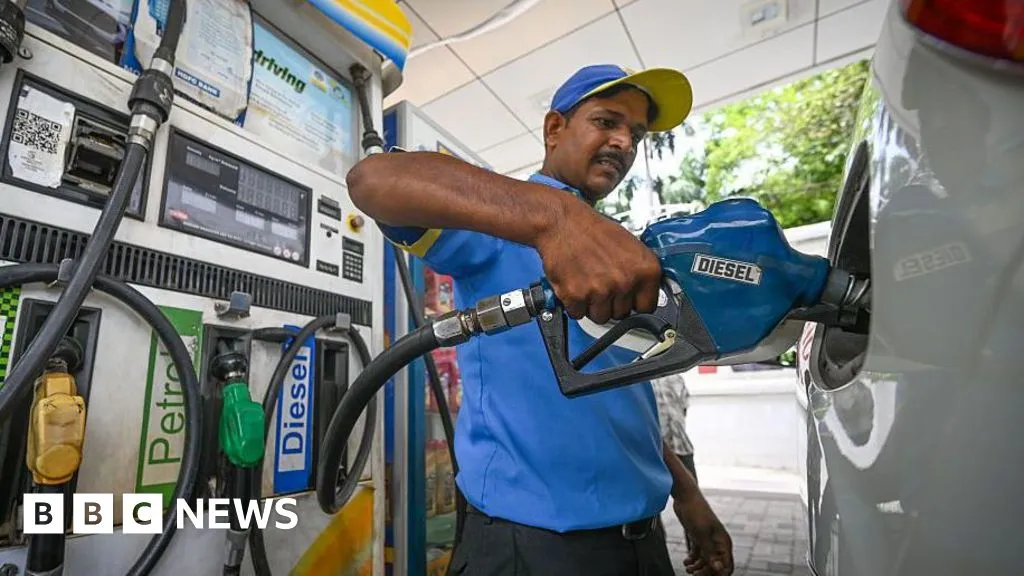
BBC News - WorldFIG 01
Reading time
1min
Word count
196words
Sources cited
2cited
Entities identified
12entities
Quality score
100%
§ 01
Briefing Summary
AI-generatedNEWSAR · AI
Oil prices surged following new US attacks on Iran, specifically targeting a military site in Bandar Abbas and downing four Iranian drones near the Strait of Hormuz. This escalation occurred despite an ongoing ceasefire and peace talks between Tehran and Washington aimed at resolving a conflict that has disrupted the crucial Strait of Hormuz shipping route. The attacks caused global oil benchmarks to rise significantly, with Brent crude increasing by 3.75% and US crude by 4%. The Strait of Hormuz, through which approximately one-fifth of global oil and LNG supplies normally pass, has been effectively closed since the conflict began, leading to volatile energy prices. This recent development follows Iran's threats to attack vessels using the route after initial US and Israeli airstrikes on February 28th.
Confidence 0.90Sources 2Claims 5Entities 12
§ 02
Article analysis
Model · rule-basedFraming
Economic Impact
Conflict
Tone
Mixed Tone
AI-assessed
CalmNeutralAlarmist
Factuality
0.80 / 1.00
Factual
LowHigh
Sources cited
2
Limited
FewMany
§ 03
Key claims
5 extracted01
Global oil benchmark Brent rose by 3.75% to $97.83 a barrel, and US-traded crude was 4% higher at $92.22.
statistic
Confidence
1.00
02
US Central Command stated its forces shot down four Iranian drones that posed a threat around the Strait of Hormuz.
quoteUS Central Command (Centcom)
Confidence
0.95
03
Global energy prices have swung wildly since the conflict began, with Brent crude briefly surging to around $120 a barrel from closer to $70 before the war.
statistic
Confidence
0.90
04
Around a fifth of the world's oil and liquefied natural gas (LNG) supplies usually pass through the Strait of Hormuz.
statistic
Confidence
0.90
05
Oil prices jumped after the US launched new attacks on Iran, targeting a military site in Bandar Abbas.
factual
Confidence
0.90
§ 04
Full report
1 min read · 196 words§ 05
Entities
12 identifiedKey playerOppositionContextPositiveNeutralNegative
Organizations1
Locations7
Events1
§ 06
Keywords & salience
8 termsus attacks iran
1.00
oil prices
1.00
strait of hormuz
0.90
global energy prices
0.80
brent crude
0.70
liquefied natural gas
0.60
ceasefire
0.50
bandar abbas
0.40
§ 07
Topic connections
Interactive graph Network visualization showing 51 related topics
View Full Graph Person Organization Location Event|Click node to navigate|Edge numbers = shared articles