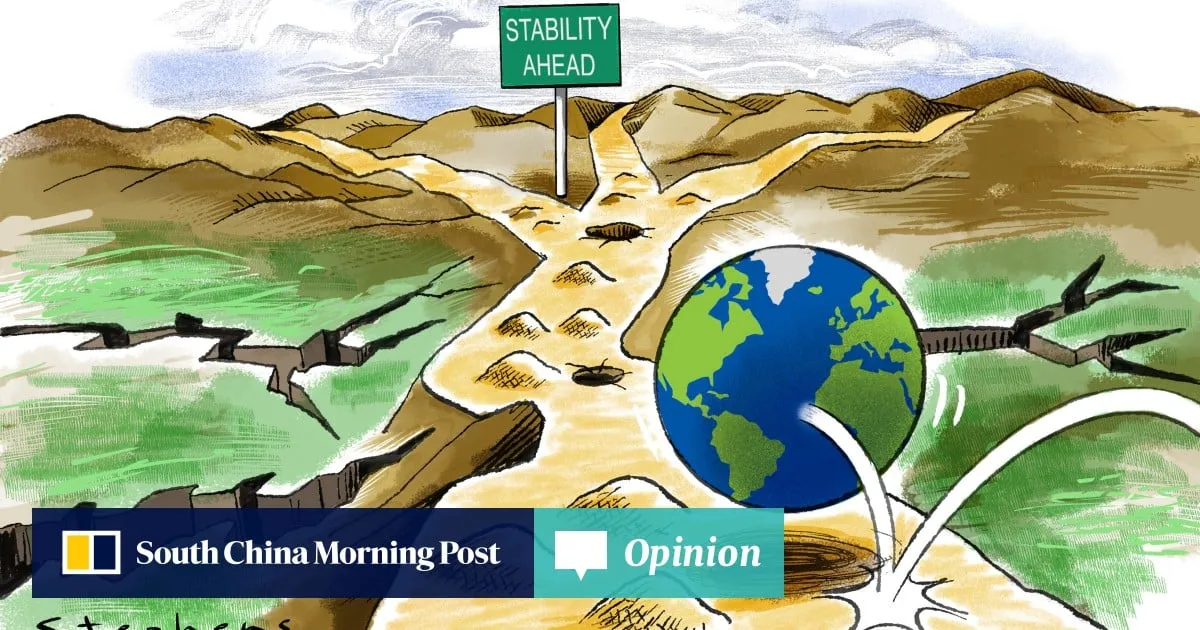
The reshaping of the global economic system we are witnessing has entered an acute phase. This raises several questions. When will the world return to a more stable condition? No less importantly, what places will key countries occupy in the new configuration?To answer these questions, it is useful to view current events through the prism of systemic interstate conflicts, which are among the main markers of such transformations. By systemic conflicts, however, one should understand not only military conflicts but a broader confrontation involving trade and financial wars, competition for resources and markets and the reconfiguration of trade routes.In other words, the current systemic conflict should not be seen as a set of separate episodes – such as the Iran" class="entity-link entity-event" data-entity-id="119503" data-entity-type="event">US-Israeli war against Iran in the Middle East, Ukraine" class="entity-link entity-event" data-entity-id="135899" data-entity-type="event">Russia’s invasion of Ukraine or the China-tariff-war" class="entity-link entity-event" data-entity-id="135900" data-entity-type="event">US-China tariff war – but rather as a stage in the broader restructuring of the world system.
SRCSouth China Morning Post
LANGEN
LEANCenter-Right
WORDS150
ENT12
THU · 2026-05-28 · 12:30 GMTBRIEF NSR-2026-0528-79917
NSR-2026-0528-79917Analysis·EN·Conflict
3 paths to stability in a conflict-ridden world
The global economic system is undergoing a significant reshaping, marked by an acute phase of systemic interstate conflicts. These conflicts are not limited to military engagements but encompass broader confrontations including trade and financial wars, resource competition, and the redefinition of trade routes.
Albert BakhtizinSouth China Morning PostFiled 2026-05-28 · 12:30 GMTLean · Center-RightRead · 1 min
South China Morning PostFIG 01
Reading time
1min
Word count
150words
Sources cited
0cited
Entities identified
12entities
Quality score
100%
§ 01
Briefing Summary
AI-generatedNEWSAR · AI
The global economic system is undergoing a significant reshaping, marked by an acute phase of systemic interstate conflicts. These conflicts are not limited to military engagements but encompass broader confrontations including trade and financial wars, resource competition, and the redefinition of trade routes. The article suggests viewing current events, such as the US-China tariff war and Russia's invasion of Ukraine, as part of this larger restructuring rather than isolated incidents. This ongoing transformation raises questions about when global stability will be restored and the future positions of key countries within the new international configuration.
Confidence 0.85Claims 4Entities 12
§ 02
Article analysis
Model · rule-basedFraming
Conflict
Economic Impact
Tone
Mixed Tone
AI-assessed
CalmNeutralAlarmist
Factuality
0.30 / 1.00
Opinion-Heavy
LowHigh
Sources cited
0
No named sources
FewMany
§ 03
Key claims
4 extracted01
Systemic conflicts include military conflicts, trade wars, financial wars, resource competition, and trade route reconfiguration.
factual
Confidence
0.90
02
The reshaping of the global economic system has entered an acute phase.
factual
Confidence
0.80
03
Current systemic conflict should be seen as a stage in the broader restructuring of the world system, not separate episodes.
factual
Confidence
0.70
04
Systemic interstate conflicts are among the main markers of global transformations.
factual
Confidence
0.70
§ 04
Full report
1 min read · 150 words§ 05
Entities
12 identifiedKey playerOppositionContextPositiveNeutralNegative
Locations6
Events3
§ 06
Keywords & salience
10 termssystemic interstate conflicts
1.00
global economic system
1.00
world stability
0.90
restructuring of the world system
0.80
trade and financial wars
0.70
reconfiguration of trade routes
0.60
competition for resources
0.60
russia's invasion of ukraine
0.50
us-china tariff war
0.50
new configuration
0.40
§ 07
Topic connections
Interactive graph No topic relationship data available yet. This graph will appear once topic relationships have been computed.