Japan is often seen as one of Asia’s most stable democracies, with a sophisticated media industry and constitutional protections for free expression, yet one of the world’s leading press freedom indexes has once again rated the country’s media environment as “problematic”.Analysts and journalists said the label points to a contradiction at the heart of Japan’s press system – reporters are rarely subject to the overt repression seen in authoritarian states, but political pressure, access journalism and newsroom self-censorship have steadily narrowed the space for scrutiny.While Japan rose four places in the 2026 World press freedom Index released by the Paris-based media watchdog Reporters Without Borders last month, it still came in 62nd out of 180 nations, leaving it well below many of its democratic peers and regional neighbours.
SRCSouth China Morning Post
LANGEN
LEANCenter-Right
WORDS128
ENT8
FRI · 2026-05-29 · 01:30 GMTBRIEF NSR-2026-0529-80057
NSR-2026-0529-80057Analysis·EN·Political Strategy
Is self-censorship behind Japan’s ‘problematic’ press freedom ranking?
Japan's media environment has been rated as "problematic" by Reporters Without Borders, despite the country being considered a stable democracy with constitutional protections for free expression. While Japan improved its ranking to 62nd out of 180 nations in the 2026 World Press Freedom Index, it still lags behind many democratic peers.
Julian RyallSouth China Morning PostFiled 2026-05-29 · 01:30 GMTLean · Center-RightRead · 1 min
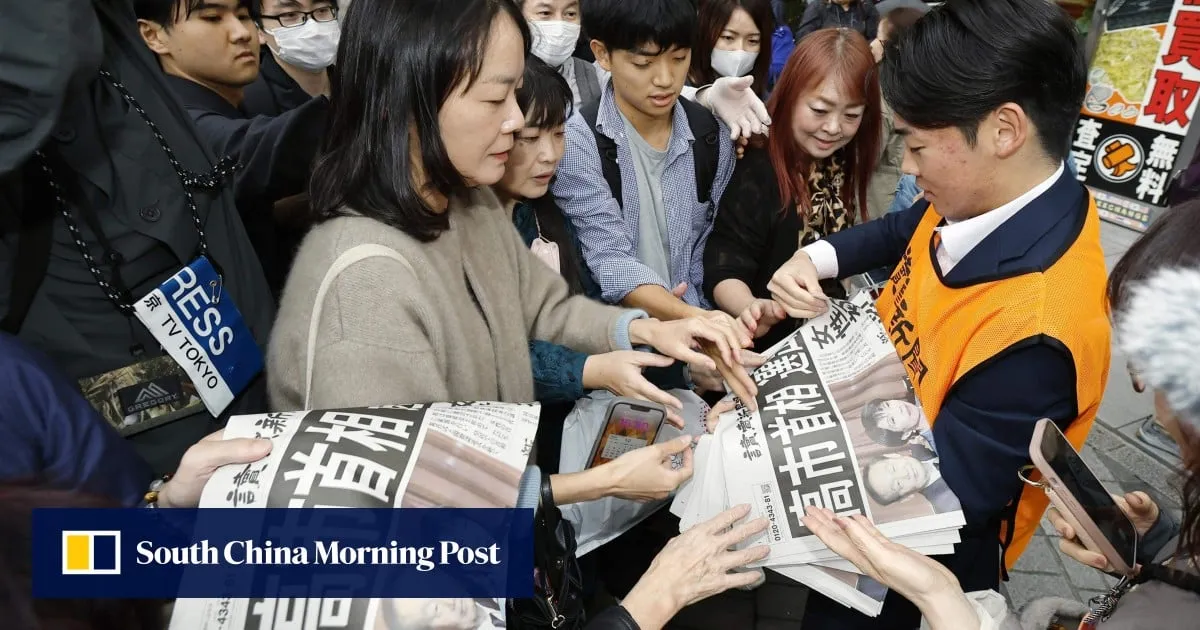
South China Morning PostFIG 01
Reading time
1min
Word count
128words
Sources cited
2cited
Entities identified
8entities
Quality score
100%
§ 01
Briefing Summary
AI-generatedNEWSAR · AI
Japan's media environment has been rated as "problematic" by Reporters Without Borders, despite the country being considered a stable democracy with constitutional protections for free expression. While Japan improved its ranking to 62nd out of 180 nations in the 2026 World Press Freedom Index, it still lags behind many democratic peers. Analysts and journalists attribute this rating to a contradiction within Japan's press system. Instead of overt repression, reporters face political pressure, restricted access to information through "access journalism," and self-censorship within newsrooms, which collectively limit critical scrutiny.
Confidence 0.85Sources 2Claims 4Entities 8
§ 02
Article analysis
Model · rule-basedFraming
Political Strategy
Human Rights
Tone
Measured
AI-assessed
CalmNeutralAlarmist
Factuality
0.60 / 1.00
Mixed
LowHigh
Sources cited
2
Limited
FewMany
§ 03
Key claims
4 extracted01
Japan rose four places in the 2026 World Press Freedom Index but ranked 62nd out of 180 nations.
statisticReporters Without Borders
Confidence
1.00
02
Japan's media environment is rated as 'problematic' by a leading press freedom index.
statisticReporters Without Borders
Confidence
1.00
03
Political pressure, access journalism, and self-censorship narrow the space for scrutiny in Japan's media.
quoteAnalysts and journalists
Confidence
0.90
04
Japan is often seen as one of Asia’s most stable democracies with constitutional protections for free expression.
factual
Confidence
0.80
§ 04
Full report
1 min read · 128 words§ 05
Entities
8 identifiedKey playerOppositionContextPositiveNeutralNegative
Organizations1
§ 06
Keywords & salience
9 termspress freedom
1.00
self-censorship
0.90
japan
0.80
political pressure
0.70
access journalism
0.60
media industry
0.60
world press freedom index
0.50
reporters without borders
0.50
democratic peers
0.40
§ 07
Topic connections
Interactive graph Network visualization showing 51 related topics
View Full Graph Person Organization Location Event|Click node to navigate|Edge numbers = shared articles