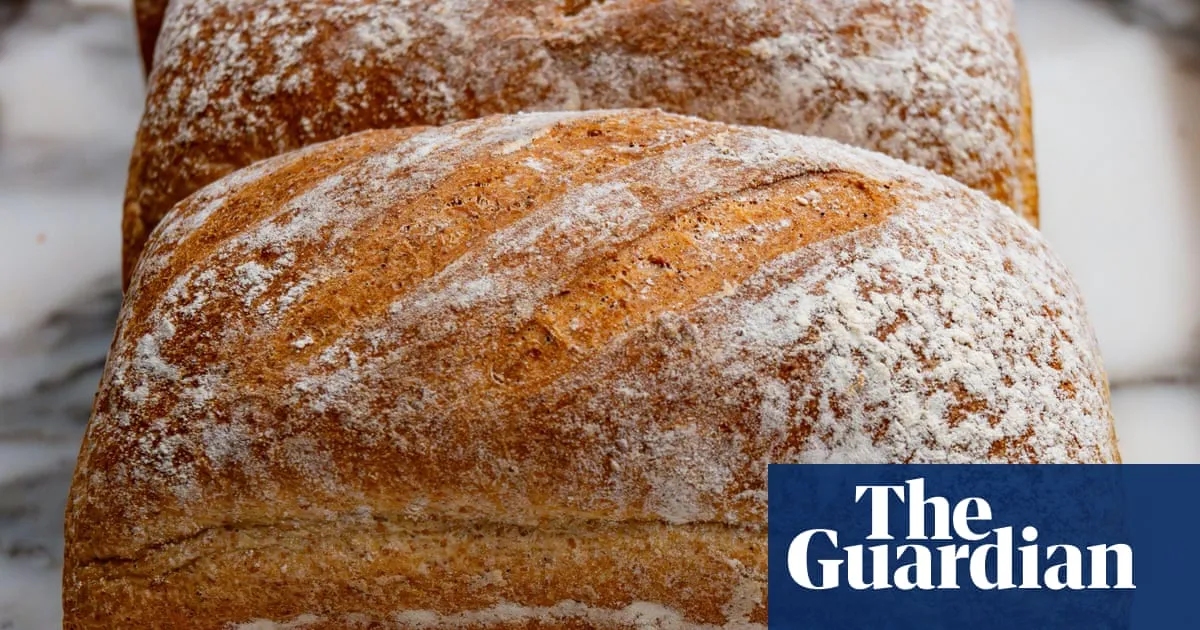
Gluten-free versions of everyday staples such as bread and biscuits are becoming a luxury, with shoppers complaining that a “decent” small loaf now costs nearly £4.Consumers have always paid a premium for these specialist foods, making any price increases a source of concern, particularly for people who follow a Gluten-free diet for medical reasons.While a standard 800g loaf of supermarket white bread can still be bought for less than £1, a smaller (550g) gluten-free equivalent typically costs about £1.90. Branded products are even pricier: a 480g Promise gluten-free loaf is now £3.90 in many shops.“A decent gluten-free loaf now regularly costs about £4,” says Alison Peters, who runs the website Coeliac Sanctuary. “Promise bread is now £3.90 in Tesco and Sainsbury’s. Even the supermarket own-brand [gluten-free bread] is often about £2 a loaf.”Before the Iran war started, UK food price increases were slowing down after a jump following Russia’s full-scale invasion of Ukraine in 2022. The cost of food and drink rose at about 3% in the year to April, but the economic disruption from the war could see this figure reach almost 10% by the end of the year.Peters, who has coeliac disease herself and whose website offers advice and resources for sufferers, fears that gluten-free food is “becoming a luxury rather than an essential medical diet for managing a lifelong autoimmune disease”.“If you have children with coeliac disease or multiple coeliacs within one household, which is common due to genetics, the costs add up incredibly quickly,” she says. “A family could easily go through several loaves of bread a week alone.”Peters has noticed brands such as Promise and Doves Farm becoming costlier.Today a loaf of gluten-free bread typically costs £3.12, which is 17p – or nearly 6% – more than in May 2025 (based on a basket of 40 products), according to Trolley.co.uk, a UK grocery price comparison service.For gluten-free flour (based on 17 products) the increase is more than 10%, or 36p, to £3.80. However, for some individual brands the increases are a lot bigger.“Gluten-free products are frequently smaller as well as more expensive,” Peters says. “A gluten-free loaf is considerably smaller, while cereal boxes contain less product, meaning people are paying significantly more for less food.”While a 300g pack of supermarket brand gluten-free cornflakes is about £1.80, regular versions can cost half that for 500g. Even a pack of custard cream biscuits to go with a brew can be out of reach, says Peters. “It’s £1.60 for a pack of eight, powdery, ‘free-from’ ones versus 65p for a regular pack of 30.”Tesco says it has maintained the same number of products in recent years and continues to add new ones, such as ready meals and meal kits. Photograph: AJD /AlamyShe adds: “While there are understandably additional costs involved in gluten-free production, such as specialist facilities, these are prices many coeliacs simply cannot afford.”Nicole Marvin contacted Guardian Money in despair after the free-from section vanished from her local Aldi in Dudley in the West Midlands. “I had access to gluten-free bread, pasta, biscuits and snacks – all the basics.“I’ve noticed a significant increase in the price of gluten-free food,” she says. “Bread is about £3.50 for small slices and the size of a half loaf. Biscuits, too. An eight-pack of shortbread is £3.45.”Marvin’s store was part of a trial in 300 stores that ran for a year.“I’m finding it difficult because I can no longer buy gluten-free flour from Aldi to make my own bread, which saved me money. It’s frustrating that people like me are being restricted in where we can get food. I am feeling disheartened because supermarkets like Aldi are accessible and now that option is gone.”While the end of a trial is not usually newsworthy, many had welcomed the push by the low-cost supermarket. A weekly gluten-free food shop can cost up to 35% more than a standard shop, according to research by the charity Coeliac UK.The same research found that eight in 10 people report struggling to afford gluten-free staples, while three in 10 knowingly consume foods labelled “may contain gluten” to save on costs.The charity is worried that the decision to withdraw adult prescriptions for gluten-free bread and flour in England, in an effort to save money, is putting additional strain on household budgets.Nikki Williams, another Money reader, has noticed “sweeping price rises”, adding: “There is very little choice in the free-from sections. We live in rural Aberdeenshire and our heating oil bill has doubled since the Iran war started. I’m worried that when these higher energy costs are passed on to the food industry, supermarkets may cut back and increase prices even further.”She adds: “It is scary times for people that have no choice but to eat gluten-free, especially when it is both of your children.”Aldi says that although the trial has ended, shoppers can still find products suited to their needs. “We continue to engage with the Food Standards Agency and key allergy charities to ensure that we’re supportive of speciality diets wherever we can.”More shoppers are thinking twice about buying gluten-free. Photograph: AlamyJason Bull, of the West Yorkshire-based ingredients firm Eurostar Commodities, says it is becoming increasingly difficult to source gluten-free ingredients.The need to segregate ingredients and production lines was expensive and time-consuming, and retailers were requesting stricter testing regimes. This is “a good thing but ultimately adds cost”, he says. “Gluten-free is more expensive, and this displeases consumers, but with the food safety element, it is difficult to bring prices down to parity.“We have absorbed most of these costs as best we can but, with costs increasing and margins shrinking, it’s becoming more difficult to maintain, let alone invest in, new product development.”Kiti Soininen, head of UK food and drink research at the market research company Mintel, says its data shows that about 14% of people who feel financially comfortable follow a Gluten-free diet – but this figure falls to 8% among those for whom money is tight. “Affordability plays a crucial role.”“In April, nearly six in 10 consumers (59%) told us that rising supermarket prices were affecting them, which means more shoppers are thinking twice about pricier, specialist products like gluten-free.”She adds: “There are also signs this is feeding through to what’s available on shelves. Gluten-free products now make up a smaller share of new food launches than they did a few years ago. They fell from 19% in 2019 to 12% in 2025.”While shoppers report finding less choice in their local store these days, analysts say this could be because some products are being grouped with “plant-based” products.Tesco, which stocks the largest dedicated free-from range of the big supermarkets, says it has maintained the same number of products in recent years. It is also is removing allergens from core lines where possible.It says: “We are committed to keeping the cost of the weekly food shop affordable for our customers. Through our combination of Everyday Low Prices and Clubcard Prices we are delivering great value for shoppers on Free From products at Tesco.”A spokesperson for Doves Farm Foods says: “We work hard to keep our gluten-free flour as affordable as possible, as we know many people rely on these products every day. While retailers set their own shelf prices, Freee gluten-free flour remains widely available at between £1.84 and £1.95 in most major supermarkets.”
SRCThe Guardian - World News
LANGEN
LEANCenter-Left
WORDS1 218
ENT12
SAT · 2026-05-30 · 06:00 GMTBRIEF NSR-2026-0530-80358
NSR-2026-0530-80358News Report·EN·Economic Impact
Gluten-free basics ‘now a luxury’ as price of a small branded loaf nears £4
Gluten-free staples are becoming unaffordable for individuals with coeliac disease due to rising inflation and shrinking product ranges. A small branded gluten-free loaf can now cost nearly £4, significantly more than standard bread.
Zoe WoodThe Guardian - World NewsFiled 2026-05-30 · 06:00 GMTLean · Center-LeftRead · 5 min
The Guardian - World NewsFIG 01
Reading time
5min
Word count
1 218words
Sources cited
2cited
Entities identified
12entities
Quality score
100%
§ 01
Briefing Summary
AI-generatedNEWSAR · AI
Gluten-free staples are becoming unaffordable for individuals with coeliac disease due to rising inflation and shrinking product ranges. A small branded gluten-free loaf can now cost nearly £4, significantly more than standard bread. This price increase, coupled with smaller product sizes, means people with coeliac disease are paying substantially more for less food. Research indicates that a weekly gluten-free shop can cost up to 35% more than a standard one, leading many to struggle with affordability. Some individuals are even consuming foods labelled "may contain gluten" to save money. The withdrawal of adult prescriptions for gluten-free bread and flour in England is also contributing to financial strain.
Confidence 0.90Sources 2Claims 5Entities 12
§ 02
Article analysis
Model · rule-basedFraming
Economic Impact
Human Interest
Tone
Mixed Tone
AI-assessed
CalmNeutralAlarmist
Factuality
0.70 / 1.00
Factual
LowHigh
Sources cited
2
Limited
FewMany
§ 03
Key claims
5 extracted01
A pack of eight gluten-free custard cream biscuits costs £1.60, versus 65p for a regular pack of 30.
statisticAlison Peters
Confidence
1.00
02
Gluten-free products are frequently smaller as well as more expensive.
quoteAlison Peters
Confidence
1.00
03
A standard 800g loaf of supermarket white bread costs less than £1, while a 550g gluten-free loaf costs about £1.90.
statistic
Confidence
1.00
04
A small branded gluten-free loaf now costs nearly £4.
statisticAlison Peters
Confidence
1.00
05
The cost of food and drink rose at about 3% in the year to April, but could reach almost 10% by the end of the year due to economic disruption from the war.
prediction
Confidence
0.80
§ 04
Full report
5 min read · 1 218 words§ 05
Entities
12 identifiedKey playerOppositionContextPositiveNeutralNegative
Organizations6
Locations4
§ 06
Keywords & salience
8 termsgluten-free
1.00
food prices
0.90
coeliac disease
0.80
price increase
0.70
luxury food
0.60
medical diet
0.50
grocery shopping
0.40
ukraine invasion
0.40
§ 07
Topic connections
Interactive graph No topic relationship data available yet. This graph will appear once topic relationships have been computed.