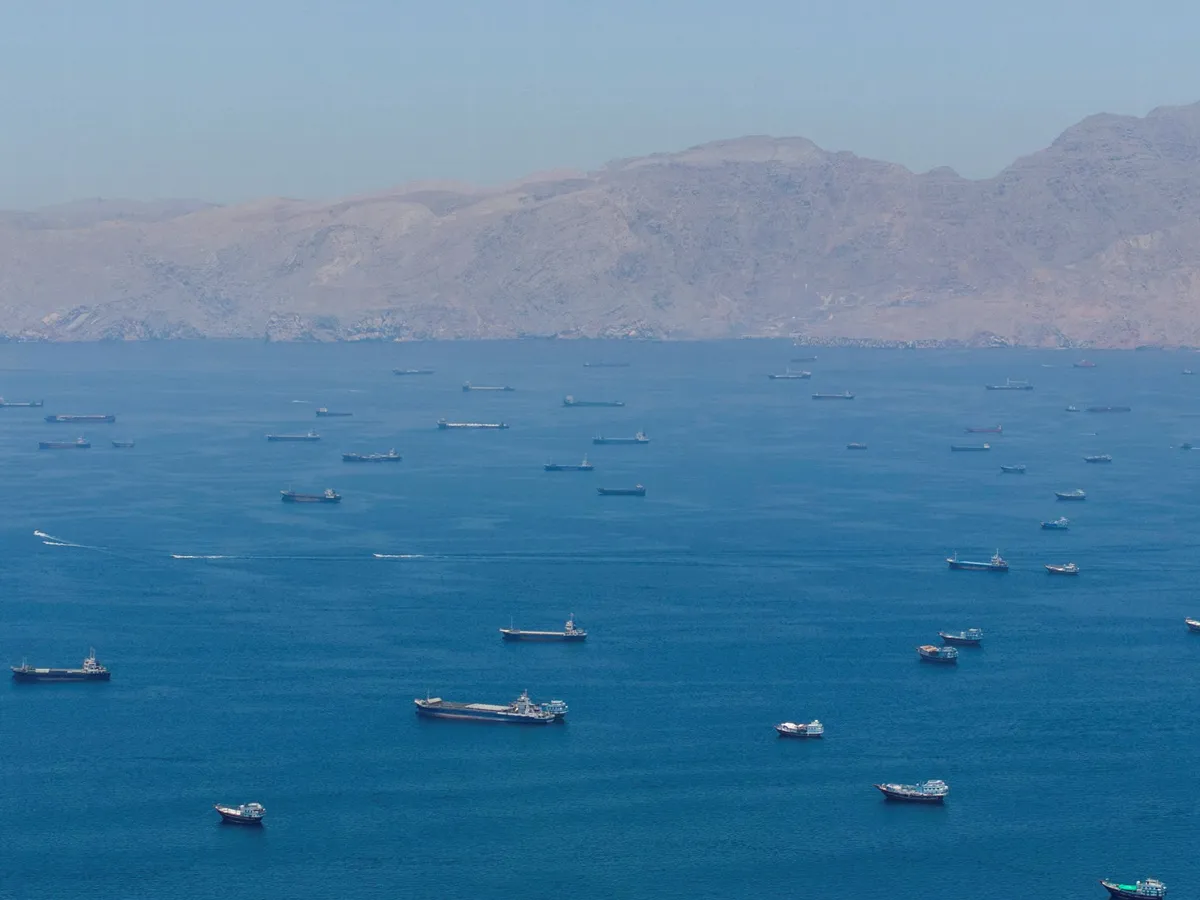
The next phase of the Strait of Hormuz crisis may be defined less by its closure and more by conditional access.Published On 31 May 2026United States President Donald Trump’s claim that a deal to reopen the Strait of Hormuz has been largely negotiated may calm markets temporarily. But the deeper significance of the current crisis lies elsewhere. The issue is no longer only whether trade routes remain open but who has the power to condition access to them.The specific terms of any agreement may evolve, and any diplomatic arrangement may still be delayed, contested or revised. But the broader pattern is already visible: Strategic trade routes are becoming more politically managed, commercially exposed and geopolitically contested.The danger is not necessarily that diplomacy fails. The more important risk is that it succeeds just enough to disguise a weaker order as stability.Temporary calm is not the same as strategic stability. Calm can be negotiated; stability must be trusted.The most important shift, therefore, is not from war to peace but from disruption to governance.Iranian plans for an authority to manage the Strait of Hormuz and exert greater influence over routing decisions and possible transit tolls show that Tehran is attempting to convert temporary leverage into a more permanent role in managing the waterway.Therefore, the strategic question is shifting from access to governance. Access relates to whether ships can pass. governance relates to who sets the rules, prices the risks, controls the exceptions and decides when normal commerce becomes conditional.This matters not only for the Gulf, but for the wider international system. States that depend heavily on maritime trade now face a situation in which commercial access is shaped not simply by markets but also by geopolitical leverage, sanctions pressure, naval power and crisis diplomacy.
SRCAl Jazeera
LANGEN
LEANCenter
WORDS291
ENT12
SUN · 2026-05-31 · 08:30 GMTBRIEF NSR-2026-0531-80573
NSR-2026-0531-80573Analysis·EN·Political Strategy
The strait may reopen, but global confidence may not return
The Strait of Hormuz crisis is shifting from potential closure to conditional access, with a potential deal negotiated by U.S. President Donald Trump offering temporary market calm.
Marco VicenzinoAl JazeeraFiled 2026-05-31 · 08:30 GMTLean · CenterRead · 2 min
Al JazeeraFIG 01
Reading time
2min
Word count
291words
Sources cited
0cited
Entities identified
12entities
Quality score
100%
§ 01
Briefing Summary
AI-generatedNEWSAR · AI
The Strait of Hormuz crisis is shifting from potential closure to conditional access, with a potential deal negotiated by U.S. President Donald Trump offering temporary market calm. The core issue is no longer just open trade routes, but who controls access. Iran is seeking to establish an authority to manage the Strait, influencing routing and transit tolls, thereby transforming leverage into a permanent role. This signifies a move from disruption to governance, where geopolitical factors, sanctions, and diplomacy shape commercial access to maritime trade routes. The implication is that global confidence may not return even if the strait reopens, as strategic trade routes are becoming more politically managed and contested.
Confidence 0.90Claims 5Entities 12
§ 02
Article analysis
Model · rule-basedFraming
Political Strategy
Diplomatic
Tone
Mixed Tone
AI-assessed
CalmNeutralAlarmist
Factuality
0.30 / 1.00
Opinion-Heavy
LowHigh
Sources cited
0
No named sources
FewMany
§ 03
Key claims
5 extracted01
The strategic question is shifting from access to governance of the Strait of Hormuz.
factual
Confidence
0.90
02
US President Donald Trump claims a deal to reopen the Strait of Hormuz has been largely negotiated.
quoteDonald Trump
Confidence
0.90
03
States dependent on maritime trade face a situation where commercial access is shaped by geopolitical leverage and sanctions.
factual
Confidence
0.85
04
Iran is attempting to convert temporary leverage into a more permanent role in managing the Strait of Hormuz.
factual
Confidence
0.85
05
Strategic trade routes are becoming more politically managed, commercially exposed, and geopolitically contested.
factual
Confidence
0.80
§ 04
Full report
2 min read · 291 words§ 05
Entities
12 identifiedKey playerOppositionContextPositiveNeutralNegative
Locations4
§ 06
Keywords & salience
8 termsstrait of hormuz
1.00
conditional access
0.90
geopolitical contested
0.80
strategic trade routes
0.70
governance
0.70
maritime trade
0.60
geopolitical leverage
0.50
crisis diplomacy
0.40
§ 07
Topic connections
Interactive graph Network visualization showing 51 related topics
View Full Graph Person Organization Location Event|Click node to navigate|Edge numbers = shared articles