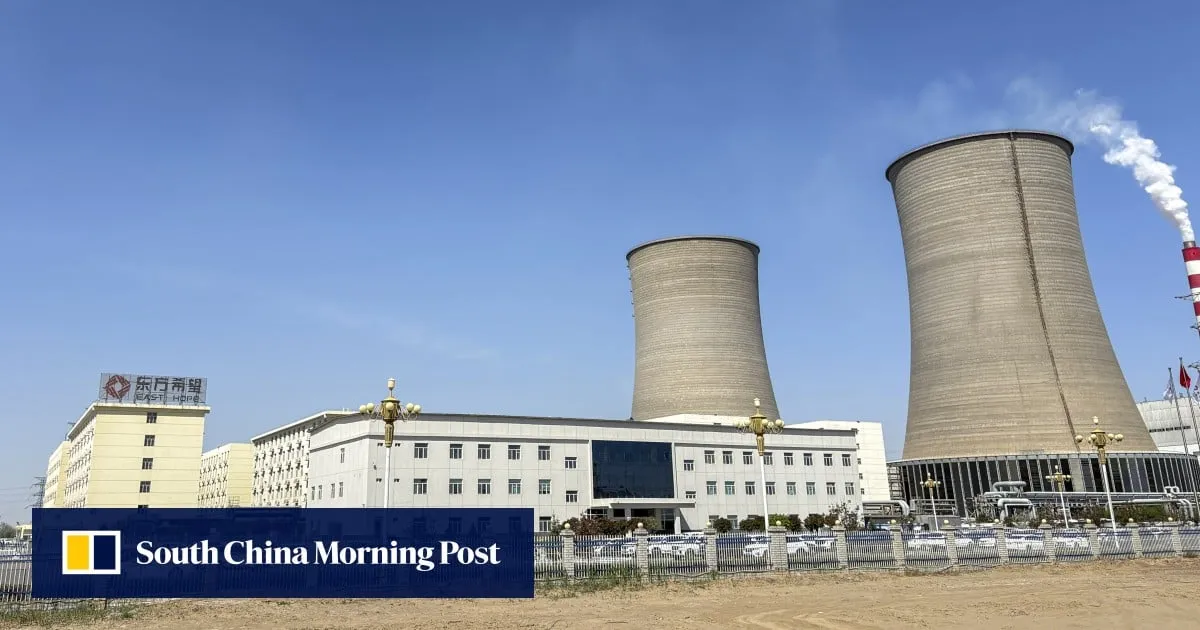
As the war in Iran disrupts global oil and chemical supplies, China’s coal-heavy energy sector is seizing an unprecedented opportunity. Dannie Peng visited Xinjiang Uygur autonomous region to witness the operations of one of China’s four major bases for large-scale, modern coal-chemical production. In this reporter’s note, she documents her observations and experiences during the trip. For her reporting, read the two-part series here.As a journalist working for a non-local, non-state media outlet, gaining access to Xinjiang has never been easy, especially when it comes to its energy sector – a reality I began to understand even more deeply during my week there.At the end of April, after several months of trying, I finally secured an invitation to visit a large coal mine to observe its unstaffed mining operations in person and set off for northern Xinjiang.
SRCSouth China Morning Post
LANGEN
LEANCenter-Right
WORDS137
ENT7
TUE · 2026-06-09 · 02:00 GMTBRIEF NSR-2026-0609-82873
NSR-2026-0609-82873News Report·EN·Economic Impact
Spying in Xinjiang? No, I was reporting from China’s energy heartland
Journalist Dannie Peng visited the Xinjiang Uygur autonomous region in late April to report on China's coal-chemical production. This trip aimed to observe operations at one of the country's major coal-chemical bases, a sector experiencing significant growth due to global oil and chemical supply disruptions caused by the war in Iran.
Dannie PengSouth China Morning PostFiled 2026-06-09 · 02:00 GMTLean · Center-RightRead · 1 min
South China Morning PostFIG 01
Reading time
1min
Word count
137words
Sources cited
0cited
Entities identified
7entities
Quality score
100%
§ 01
Briefing Summary
AI-generatedNEWSAR · AI
Journalist Dannie Peng visited the Xinjiang Uygur autonomous region in late April to report on China's coal-chemical production. This trip aimed to observe operations at one of the country's major coal-chemical bases, a sector experiencing significant growth due to global oil and chemical supply disruptions caused by the war in Iran. Peng, working for a non-local, non-state media outlet, faced challenges in gaining access to Xinjiang, particularly concerning its energy sector. After several months of effort, she secured an invitation to visit a large coal mine and witness its unstaffed mining operations. This reporter's note details her observations and experiences during her week-long visit.
Confidence 0.85Claims 4Entities 7
§ 02
Article analysis
Model · rule-basedFraming
Economic Impact
Political Strategy
Tone
Measured
AI-assessed
CalmNeutralAlarmist
Factuality
0.40 / 1.00
Mixed
LowHigh
Sources cited
0
No named sources
FewMany
§ 03
Key claims
4 extracted01
The author visited a large coal mine to observe its unstaffed mining operations.
factualDannie Peng
Confidence
1.00
02
Gaining access to Xinjiang's energy sector as a journalist for a non-local, non-state media outlet is difficult.
quoteDannie Peng
Confidence
1.00
03
Xinjiang Uygur autonomous region is one of China’s four major bases for large-scale, modern coal-chemical production.
factual
Confidence
0.90
04
China's coal-heavy energy sector is seizing an unprecedented opportunity due to the war in Iran disrupting global oil and chemical supplies.
factual
Confidence
0.80
§ 04
Full report
1 min read · 137 words§ 05
Entities
7 identifiedKey playerOppositionContextPositiveNeutralNegative
Locations3
§ 06
Keywords & salience
8 termsxinjiang
1.00
coal-chemical production
0.90
energy sector
0.80
china
0.70
oil and chemical supplies
0.60
unstaffed mining operations
0.50
global oil
0.40
reporter's note
0.40
§ 07
Topic connections
Interactive graph No topic relationship data available yet. This graph will appear once topic relationships have been computed.