They overestimated the efficacy of military force against a regime that had faced repeated threats for almost 50 years, had engineered itself to survive an attack and had thought hard about a conception of national security backed up by its religious and ideological convictions.The Gulf oil states, allies of the US, and in the case of the UAE and Bahrain of Israel too, have suffered hammer blows. It is not simply lost revenue from petrochemicals and their byproducts, like fertiliser. They have built their futures around creating an oasis of stability and multi-billion-dollar business in the Gulf. Potential investors, and tourists, see the war turning that vision into a mirage.The Iranian regime believes its survival and the ease with which it put a chokehold on the world economy by closing the Strait of Hormuz and attacking its Gulf Arab neighbours can be translated into long-term deterrence against the US and Israel.The men who have replaced the old guard of Iranian leaders killed by Israel and the US are just as ideological as their predecessors but much more willing to take risks in what they see as an existential struggle. They believe that words alone will not stop more attacks in the future from the US or Israel. Instead, they want to demonstrate that more attacks on Iran will lead to painful consequences.A key part of its strategy is linking the war in Lebanon with the war in the Gulf. The regime's message to Trump is that he cannot hope for any kind of deal if Israel continues to bomb Lebanon and to try to destroy Hezbollah, the militia and political movement that it has nurtured since the 1980s as its forward defence against Israel.By curbing Israel's plans to attack Beirut, on the grounds that a deal was near (a claim he has made before, erroneously), Trump has shown implicitly that he accepts the link between what happens in Lebanon and what happens in the Gulf.On Monday, Netanyahu said he would not accept the linkage. It was he said, "intolerable and completely unacceptable." His problem is that Trump will put his interests and desire to end the war ahead of Netanyahu's determination for it to continue until he can declare the Islamic regime in Tehran has been crippled.Netanyahu cancelled a planned attack on Beirut, but since then Israel's military, the IDF, has continued to hit southern Lebanon very hard.
SRCBBC News - World
LANGEN
LEANCenter
WORDS398
ENT12
TUE · 2026-06-09 · 20:14 GMTBRIEF NSR-2026-0609-83108
NSR-2026-0609-83108Analysis·EN·Political Strategy
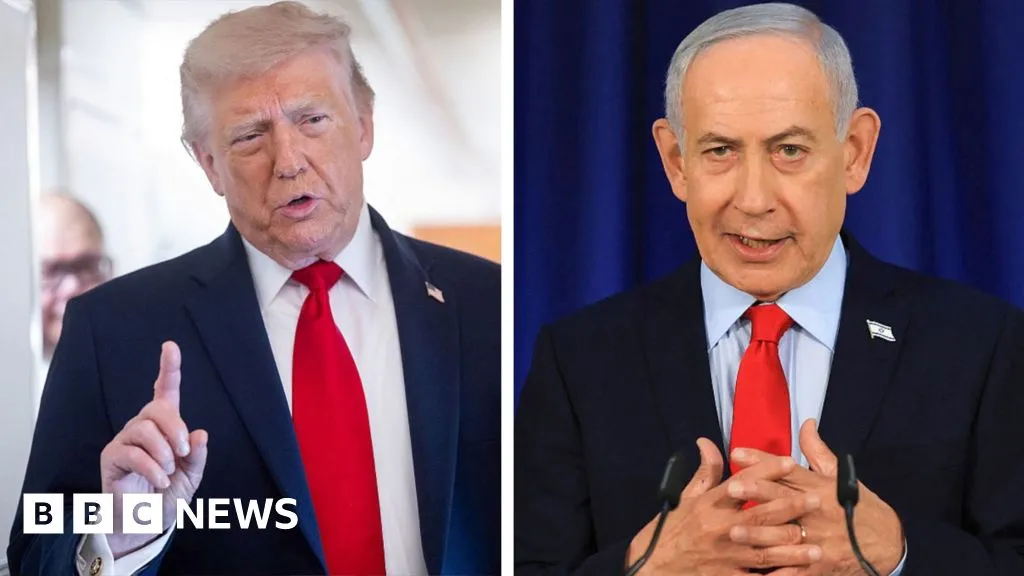
Bowen: Trump and Netanyahu wanted to reshape the Middle East - now they risk a permacrisis
Former US President Trump and Israeli Prime Minister Netanyahu sought to reshape the Middle East, but their miscalculation of an "Iran war" has led to unintended consequences. They overestimated the impact of military force against Iran, which has proven resilient and ideologically driven.
BBC News - WorldFiled 2026-06-09 · 20:14 GMTLean · CenterRead · 2 min
BBC News - WorldFIG 01
Reading time
2min
Word count
398words
Sources cited
0cited
Entities identified
12entities
Quality score
100%
§ 01
Briefing Summary
AI-generatedNEWSAR · AI
Former US President Trump and Israeli Prime Minister Netanyahu sought to reshape the Middle East, but their miscalculation of an "Iran war" has led to unintended consequences. They overestimated the impact of military force against Iran, which has proven resilient and ideologically driven. Gulf oil states, allies of the US and some of Israel, are suffering economically and facing a diminished vision of stability. Iran's current leadership, willing to take risks, believes its ability to disrupt global trade demonstrates deterrence against further US or Israeli attacks. Iran links the conflict in Lebanon to the Gulf, warning that continued Israeli actions against Hezbollah will prevent any deal. Trump has implicitly accepted this linkage by curbing Israeli plans to attack Beirut, a move Netanyahu opposes, though Israeli forces continue to strike southern Lebanon.
Confidence 0.90Claims 5Entities 12
§ 02
Article analysis
Model · rule-basedFraming
Political Strategy
Conflict
Tone
Mixed Tone
AI-assessed
CalmNeutralAlarmist
Factuality
0.40 / 1.00
Mixed
LowHigh
Sources cited
0
No named sources
FewMany
§ 03
Key claims
5 extracted01
Netanyahu stated that linkage between Lebanon and the Gulf is 'intolerable and completely unacceptable.'
quoteNetanyahu
Confidence
1.00
02
Iran is linking the war in Lebanon with the war in the Gulf to pressure Trump for a deal.
factual
Confidence
0.80
03
The Iranian regime believes its survival and ability to choke the global economy can deter the US and Israel.
factual
Confidence
0.80
04
New Iranian leaders are ideological and willing to take risks in an existential struggle.
factual
Confidence
0.70
05
Trump and Netanyahu overestimated the efficacy of military force against Iran.
factual
Confidence
0.70
§ 04
Full report
2 min read · 398 words§ 05
Entities
12 identifiedKey playerOppositionContextPositiveNeutralNegative
Organizations1
Locations8
Topics1
§ 06
Keywords & salience
10 termsmiddle east
1.00
permacrisis
0.90
military force
0.80
gulf oil states
0.70
iranian regime
0.70
strait of hormuz
0.60
hezbollah
0.50
national security
0.50
trump
0.40
netanyahu
0.40
§ 07
Topic connections
Interactive graph Network visualization showing 51 related topics
View Full Graph Person Organization Location Event|Click node to navigate|Edge numbers = shared articles