At least 5,000 people have been killed in protests in Iran, including about 500 security personnel, an Iranian official in the region said on Sunday, citing verified figures and accusing “terrorists and armed rioters” of killing “innocent Iranians”.The nationwide protests erupted on December 28 over economic hardship and grew over two weeks into widespread demonstrations calling for the end of clerical rule – resulting in the deadliest unrest since the 1979 Islamic Revolution.US President Donald Trump has repeatedly threatened to intervene if protesters continued to be killed on the streets or were executed. In a social media post on Friday, he thanked Tehran’s leaders, saying they had called off scheduled mass executions.On Saturday, Supreme Leader Ayatollah Ali Khamenei said, “We will not drag the country into war, but we will not let domestic or international criminals go unpunished,” state media reported. On Sunday, the judiciary indicated that executions may go ahead.“A series of actions have been identified as Mohareb, which is among the most severe Islamic punishments,” Iranian judiciary spokesperson Asghar Jahangir told a press conference.Mohareb, an Islamic legal term meaning to wage war against God, is punishable by death under Iranian law.
SRCSouth China Morning Post
LANGEN
LEANCenter-Right
WORDS193
ENT6
SUN · 2026-01-18 · 14:11 GMTBRIEF NSR-2026-0118-8401
NSR-2026-0118-8401News Report·EN·Human Rights
Iran protests: 5,000 dead as judiciary hint at executions
Widespread protests in Iran, sparked by economic hardship in late December and evolving into calls for the end of clerical rule, have resulted in at least 5,000 deaths, including 500 security personnel. An Iranian official attributed the deaths to "terrorists and armed rioters." While executions were seemingly called off after threats of intervention from US President Trump, Iran's Supreme Leader Ayatollah Ali Khamenei vowed punishment for "criminals." The Iranian judiciary has indicated that executions may still proceed under the Islamic legal term "Mohareb," which is punishable by death.
ReutersSouth China Morning PostFiled 2026-01-18 · 14:11 GMTLean · Center-RightRead · 1 min
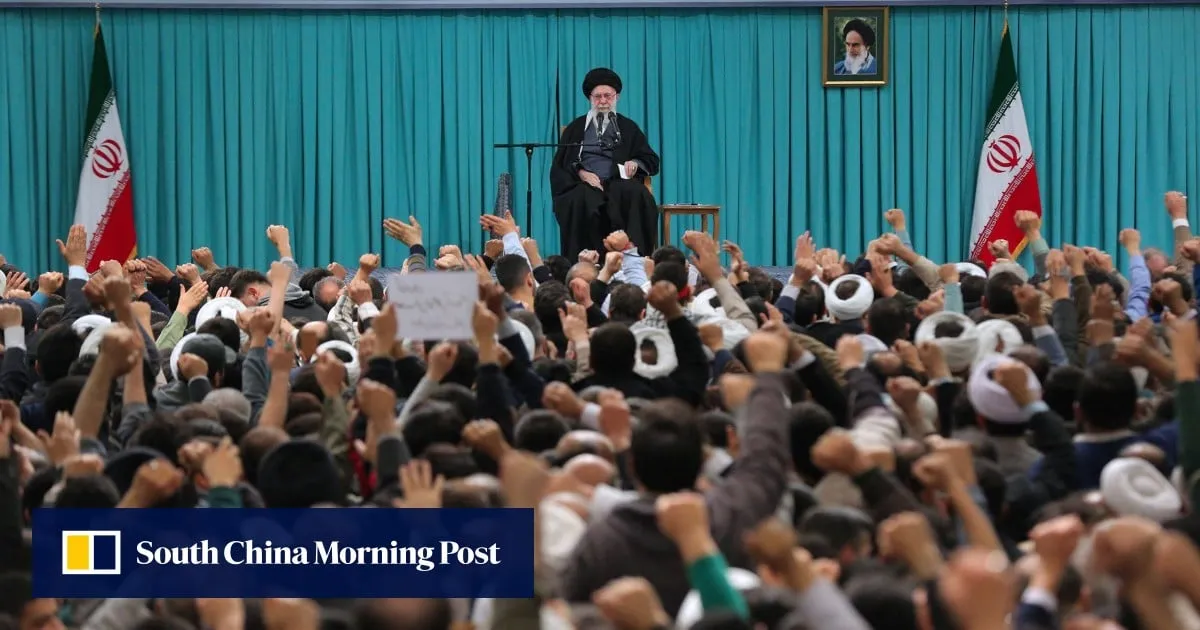
South China Morning PostFIG 01
Reading time
1min
Word count
193words
Sources cited
4cited
Entities identified
6entities
Quality score
100%
§ 01
Briefing Summary
AI-generatedNEWSAR · AI
Widespread protests in Iran, sparked by economic hardship in late December and evolving into calls for the end of clerical rule, have resulted in at least 5,000 deaths, including 500 security personnel. An Iranian official attributed the deaths to "terrorists and armed rioters." While executions were seemingly called off after threats of intervention from US President Trump, Iran's Supreme Leader Ayatollah Ali Khamenei vowed punishment for "criminals." The Iranian judiciary has indicated that executions may still proceed under the Islamic legal term "Mohareb," which is punishable by death. The protests represent the deadliest unrest in Iran since the 1979 Islamic revolution.
Confidence 0.90Sources 4Claims 5Entities 6
§ 02
Article analysis
Model · rule-basedFraming
Human Rights
National Security
Tone
Mixed Tone
AI-assessed
CalmNeutralAlarmist
Factuality
0.70 / 1.00
Factual
LowHigh
Sources cited
4
Well sourced
FewMany
§ 03
Key claims
5 extracted01
A series of actions have been identified as Mohareb, which is among the most severe Islamic punishments.
quoteIranian judiciary spokesperson Asghar Jahangir
Confidence
1.00
02
We will not drag the country into war, but we will not let domestic or international criminals go unpunished.
quoteSupreme Leader Ayatollah Ali Khamenei
Confidence
1.00
03
US President Donald Trump has repeatedly threatened to intervene if protesters continued to be killed.
factualnull
Confidence
1.00
04
Nationwide protests erupted on December 28 over economic hardship.
factualnull
Confidence
0.90
05
At least 5,000 people have been killed in protests in Iran, including about 500 security personnel.
statisticIranian official in the region
Confidence
0.80
§ 04
Full report
1 min read · 193 words§ 05
Entities
6 identifiedKey playerOppositionContextPositiveNeutralNegative
Organizations1
§ 06
Keywords & salience
8 termsiran protests
1.00
executions
0.90
mohareb
0.80
islamic law
0.70
clerical rule
0.60
political unrest
0.60
economic hardship
0.50
security personnel
0.50
§ 07
Topic connections
Interactive graph Network visualization showing 51 related topics
View Full Graph Person Organization Location Event|Click node to navigate|Edge numbers = shared articles