The Iran war has exposed major risks for Southeast Asia that could cost the region billions of dollars, if it does not diversify sources of energy more quickly, according to an International Energy Agency (IEA) report released on Tuesday.An overreliance on oil and gas transported through the Strait of Hormuz left the region particularly vulnerable to shocks from the Iran war, a “stark wake-up call” for its energy security, the report says.It notes that rising sales of electric vehicles, a renewed interest in nuclear power and a boom in rooftop solar and other renewable energy installations show that the war is spurring change.
SRCSouth China Morning Post
LANGEN
LEANCenter-Right
WORDS103
ENT10
TUE · 2026-06-16 · 14:28 GMTBRIEF NSR-2026-0616-84920
NSR-2026-0616-84920News Report·EN·Economic Impact
Iran war ‘stark wake-up call’ for fossil fuel-dependent Southeast Asia: IEA report
An International Energy Agency (IEA) report released on Tuesday highlights that the Iran war has revealed significant risks for Southeast Asia, potentially costing the region billions if it doesn't accelerate energy diversification. The report states that Southeast Asia's heavy dependence on oil and gas transported through the Strait of Hormuz made it particularly susceptible to disruptions caused by the Iran war, serving as a "stark wake-up call" for its energy security.
Associated PressSouth China Morning PostFiled 2026-06-16 · 14:28 GMTLean · Center-RightRead · 1 min
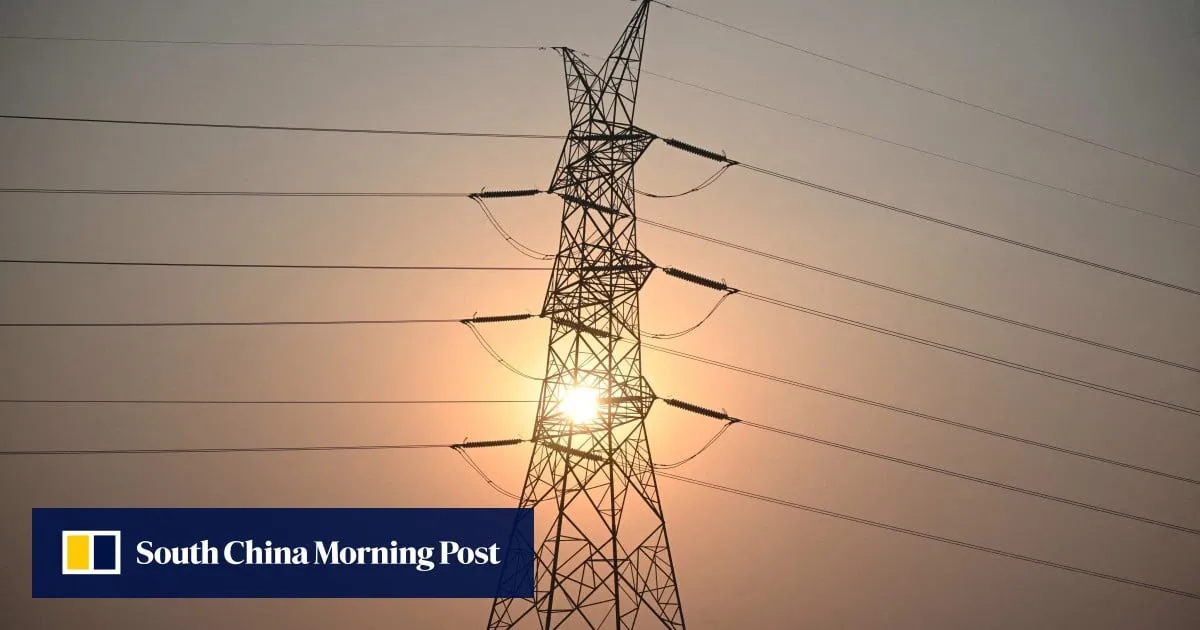
South China Morning PostFIG 01
Reading time
1min
Word count
103words
Sources cited
1cited
Entities identified
10entities
Quality score
100%
§ 01
Briefing Summary
AI-generatedNEWSAR · AI
An International Energy Agency (IEA) report released on Tuesday highlights that the Iran war has revealed significant risks for Southeast Asia, potentially costing the region billions if it doesn't accelerate energy diversification. The report states that Southeast Asia's heavy dependence on oil and gas transported through the Strait of Hormuz made it particularly susceptible to disruptions caused by the Iran war, serving as a "stark wake-up call" for its energy security. In response to these vulnerabilities, the region is showing signs of change, with increasing electric vehicle sales, renewed interest in nuclear power, and a surge in rooftop solar and other renewable energy installations.
Confidence 0.85Sources 1Claims 4Entities 10
§ 02
Article analysis
Model · rule-basedFraming
Economic Impact
Conflict
Tone
Measured
AI-assessed
CalmNeutralAlarmist
Factuality
0.80 / 1.00
Factual
LowHigh
Sources cited
1
Limited
FewMany
§ 03
Key claims
4 extracted01
The Iran war served as a 'stark wake-up call' for Southeast Asia's energy security.
quoteInternational Energy Agency (IEA) report
Confidence
0.90
02
An overreliance on oil and gas transported through the Strait of Hormuz left the region particularly vulnerable to shocks from the Iran war.
factualInternational Energy Agency (IEA) report
Confidence
0.90
03
The Iran war has exposed major risks for Southeast Asia that could cost the region billions of dollars if it does not diversify energy sources more quickly.
factualInternational Energy Agency (IEA) report
Confidence
0.90
04
The Iran war is spurring change in Southeast Asia, indicated by rising electric vehicle sales, renewed interest in nuclear power, and a boom in rooftop solar and other renewable energy installations.
factualInternational Energy Agency (IEA) report
Confidence
0.80
§ 04
Full report
1 min read · 103 words§ 05
Entities
10 identifiedKey playerOppositionContextPositiveNeutralNegative
Organizations2
Locations3
§ 06
Keywords & salience
10 termsenergy security
1.00
fossil fuels
0.90
southeast asia
0.90
iran war
0.80
diversify energy sources
0.70
international energy agency
0.60
renewable energy
0.50
strait of hormuz
0.50
electric vehicles
0.40
nuclear power
0.40
§ 07
Topic connections
Interactive graph Network visualization showing 51 related topics
View Full Graph Person Organization Location Event|Click node to navigate|Edge numbers = shared articles