For Iran, the deal with the US offers something just as important as a ceasefire: a way to claim that it has not just survived the war without surrendering but has emerged from it stronger.From the start, Tehran's core objective was not necessarily to defeat the US and Israel in conventional military terms. It was to come out of the conflict with the Islamic Republic intact, its leadership still functioning and its negotiating position not completely broken.The Memorandum of Understanding (MOU) – as the deal is known - allows Iran to say it has achieved that.The document, signed separately by US President Donald Trump and Iranian President Masoud Pezeshkian, sets out a 60-day framework for negotiations over Iran's nuclear programme but it also confirms an immediate halt to military operations on all fronts, including Lebanon, mutual respect for sovereignty, the reopening of the Strait of Hormuz and the lifting of the US naval blockade on Iranian shipping.Iran's immediate obligations are significant, but relatively limited. Tehran has agreed to help ensure safe commercial passage through Hormuz, something that had long been the status quo before the war, reaffirm that it will not pursue nuclear weapons, and enter talks on the future of its highly enriched uranium and enrichment programme.The US commitments appear broader. According to the MoU, Washington will begin removing its naval blockade, issue waivers for Iranian oil exports, make frozen or restricted Iranian assets available, work towards easing sanctions and pursue with regional partners a reconstruction and economic development plan for Iran worth at least $300bn (£224bn).That helps explain why the reaction from Iranian critics has so far been muted. The MoU gives the leadership enough to present the deal as a victory: Iran's sovereignty is recognised, the blockade is due to be lifted, sanctions relief is on the table and reconstruction funding is explicitly mentioned.But that silence is unlikely to last.
SRCBBC News - World
LANGEN
LEANCenter
WORDS313
ENT12
THU · 2026-06-18 · 15:38 GMTBRIEF NSR-2026-0618-85544
NSR-2026-0618-85544Analysis·EN·Political Strategy
Why Iran believes deal with US leaves it stronger than before
Iran views a recent Memorandum of Understanding (MOU) with the US as a strategic success, allowing it to claim survival and emergence from conflict stronger. The deal, signed by Presidents Trump and Pezeshkian, establishes a 60-day framework for nuclear program negotiations and mandates an immediate halt to military operations.
22 minutes agoShareSaveAdd as preferred on GoogleAmir AzimiSenior News Editor - Persian ServiceBBC News - WorldFiled 2026-06-18 · 15:38 GMTLean · CenterRead · 2 min
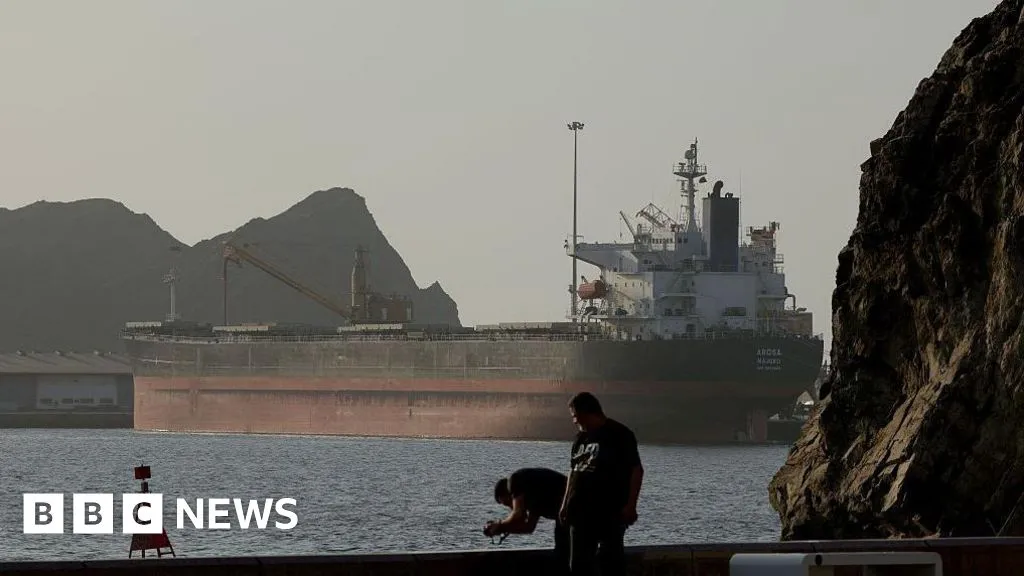
BBC News - WorldFIG 01
Reading time
2min
Word count
313words
Sources cited
0cited
Entities identified
12entities
Quality score
100%
§ 01
Briefing Summary
AI-generatedNEWSAR · AI
Iran views a recent Memorandum of Understanding (MOU) with the US as a strategic success, allowing it to claim survival and emergence from conflict stronger. The deal, signed by Presidents Trump and Pezeshkian, establishes a 60-day framework for nuclear program negotiations and mandates an immediate halt to military operations. Key terms include ensuring safe passage through the Strait of Hormuz, reaffirming Iran's commitment against nuclear weapons, and initiating talks on its enrichment program. In return, the US will begin lifting its naval blockade, issue waivers for oil exports, unfreeze assets, and work towards easing sanctions and a reconstruction plan for Iran. This outcome has led to muted criticism within Iran, as the leadership can present the deal as a victory recognizing its sovereignty and offering economic prospects.
Confidence 0.90Claims 5Entities 12
§ 02
Article analysis
Model · rule-basedFraming
Political Strategy
Conflict
Tone
Measured
AI-assessed
CalmNeutralAlarmist
Factuality
0.60 / 1.00
Mixed
LowHigh
Sources cited
0
No named sources
FewMany
§ 03
Key claims
5 extracted01
US commitments include removing its naval blockade, issuing waivers for Iranian oil exports, making frozen assets available, and working towards easing sanctions.
factual
Confidence
0.95
02
Iran's immediate obligations include ensuring safe commercial passage through Hormuz, reaffirming it will not pursue nuclear weapons, and entering talks on its enrichment program.
factual
Confidence
0.95
03
The MOU sets out a 60-day framework for negotiations over Iran's nuclear programme and confirms an immediate halt to military operations.
factual
Confidence
0.95
04
The Memorandum of Understanding (MOU) allows Iran to claim it has achieved its objectives.
factual
Confidence
0.90
05
Iran's core objective was to emerge from the conflict with the Islamic Republic intact and its negotiating position not completely broken.
factual
Confidence
0.90
§ 04
Full report
2 min read · 313 words§ 05
Entities
12 identifiedKey playerOppositionContextPositiveNeutralNegative
Locations5
Events1
§ 06
Keywords & salience
9 termsus-iran relations
1.00
iran nuclear program
1.00
strait of hormuz
0.90
sanctions relief
0.80
ceasefire
0.70
naval blockade
0.60
economic development
0.50
donald trump
0.40
masoud pezeshkian
0.40
§ 07
Topic connections
Interactive graph Network visualization showing 51 related topics
View Full Graph Person Organization Location Event|Click node to navigate|Edge numbers = shared articles