The vote marks the first time that both chambers of Congress have approved a concurrent resolution instructing a president to end a military action since the War Powers Resolution of 1973 was enacted.A concurrent resolution expresses the sentiment or will of Congress, as opposed to other forms of legislation that go to the president to be signed into law. In 2019, Trump vetoed a joint resolution that called for the removal of armed forces from hostilities in the Yemeni civil war. Middle East analyst Laura Blumenfeld called it "more of a slap on a wrist than a handcuff, because it has no legal binding".But she told the BBC she thought what "it does reflect is the American people's sentiments".The concurrent resolution's passage is significant because it adds to pressure on the White House to find an end to the Iran war, which is unpopular with the public after petrol prices spiked. The same measure was passed earlier this month by the US House of Representatives, where four Republicans joined every Democrat to approve it in a 215-208 vote.But a White House official told the BBC that with the ceasefire agreed on 7 April, there are no hostilities from which to withdraw American forces. The official also said the measure only passed because two Republican senators were absent: Mitch McConnell and Dave McCormick.
SRCBBC News - World
LANGEN
LEANCenter
WORDS222
ENT12
WED · 2026-06-24 · 03:57 GMTBRIEF NSR-2026-0624-86938
NSR-2026-0624-86938News Report·EN·Political Strategy
Congress passes war powers measure for first time, rebuking Trump's war with Iran
Congress has passed a war powers measure, a concurrent resolution, for the first time since 1973, rebuking President Trump's war with Iran. This largely symbolic vote expresses Congress's sentiment and adds pressure on the White House to end the conflict.
2 hours agoShareSaveAdd as preferred on GoogleSareen HabeshianBBC News - WorldFiled 2026-06-24 · 03:57 GMTLean · CenterRead · 1 min
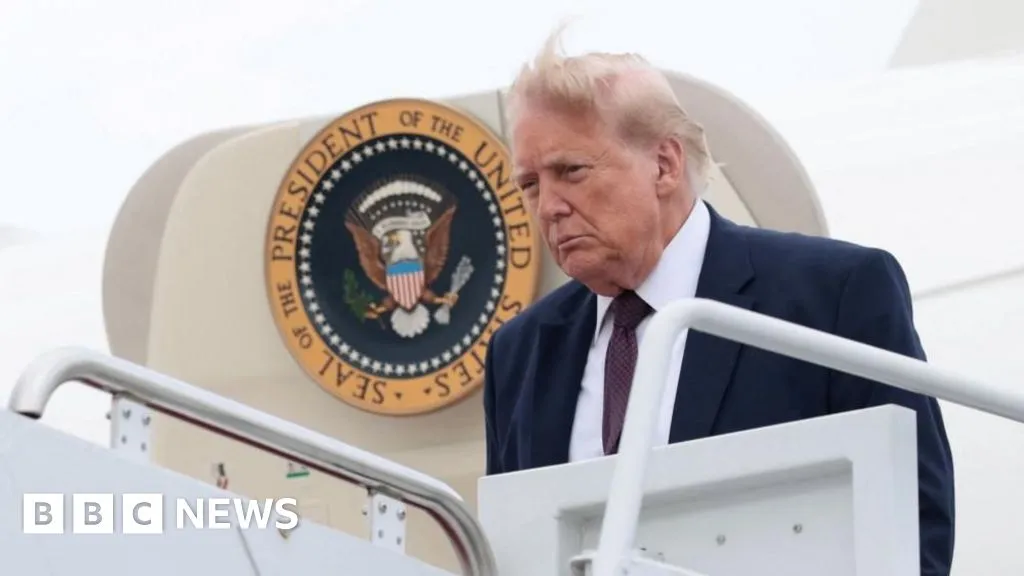
BBC News - WorldFIG 01
Reading time
1min
Word count
222words
Sources cited
2cited
Entities identified
12entities
Quality score
100%
§ 01
Briefing Summary
AI-generatedNEWSAR · AI
Congress has passed a war powers measure, a concurrent resolution, for the first time since 1973, rebuking President Trump's war with Iran. This largely symbolic vote expresses Congress's sentiment and adds pressure on the White House to end the conflict. The House of Representatives previously approved the measure, with four Republicans joining Democrats. While the resolution is not legally binding, it reflects public sentiment, particularly after a spike in petrol prices. A White House official stated that with a ceasefire in place, there are no hostilities to withdraw from and attributed the measure's passage partly to the absence of two Republican senators.
Confidence 0.90Sources 2Claims 5Entities 12
§ 02
Article analysis
Model · rule-basedFraming
Political Strategy
Conflict
Tone
Measured
AI-assessed
CalmNeutralAlarmist
Factuality
0.60 / 1.00
Mixed
LowHigh
Sources cited
2
Limited
FewMany
§ 03
Key claims
5 extracted01
Middle East analyst Laura Blumenfeld stated the measure is 'more of a slap on a wrist than a handcuff, because it has no legal binding'.
quoteLaura Blumenfeld
Confidence
1.00
02
A concurrent resolution expresses the sentiment or will of Congress, unlike legislation that goes to the president to be signed into law.
factual
Confidence
1.00
03
Congress passed a war powers measure, marking the first time both chambers approved a concurrent resolution instructing a president to end military action since 1973.
factual
Confidence
1.00
04
A White House official stated that with the ceasefire agreed on April 7, there are no hostilities from which to withdraw American forces.
factualWhite House official
Confidence
0.90
05
The concurrent resolution's passage is significant because it adds to pressure on the White House to find an end to the Iran war, which is unpopular with the public after petrol prices spiked.
factual
Confidence
0.80
§ 04
Full report
1 min read · 222 words§ 05
Entities
12 identifiedKey playerOppositionContextPositiveNeutralNegative
People4
Organizations4
§ 06
Keywords & salience
8 termswar powers resolution
1.00
congressional rebuke
0.90
military action
0.80
iran war
0.70
concurrent resolution
0.60
trump
0.50
yemeni civil war
0.40
public sentiment
0.40
§ 07
Topic connections
Interactive graph Network visualization showing 51 related topics
View Full Graph Person Organization Location Event|Click node to navigate|Edge numbers = shared articles