EXPLAINERIran and the US clash over nuclear inspections and Hormuz as negotiators push for a final deal within 60 days.Published On 24 Jun 2026Iran and the United States have offered conflicting accounts of key issues as negotiators work towards a final agreement within a 60-day window. Differences remain over nuclear oversight and the implementation of any deal, underscoring the challenges facing both sides.US Secretary of State Marco Rubio said Iran would not be allowed to charge tolls in the Strait of Hormuz under a final agreement, stressing that the strategic waterway must remain open to international shipping.Meanwhile, Iran rejected US claims that it had agreed to allow nuclear inspectors back into the country after President Donald Trump said Tehran had accepted the “highest level” of monitoring. The conflicting statements highlight the gaps that negotiators are still trying to bridge.Here is what has happened:In Iran General Ahmad Reza Pourdastan, head of Iran’s Army Strategic Studies and Research Center, said Tehran has moved away from a purely defensive posture and now includes preemptive operations in its military strategy. Quoted by the semi-official Fars news agency, Pourdastan said Iran could “severely surprise the enemy” if national interests required it and added that much of the country’s military capability has yet to be used. Iran says no IAEA inspections planned: Tohid Asadi, reporting from the Strait of Hormuz, says the Iranian Foreign Ministry spokesperson Esmaeil Baghaei has denied reports of a meeting with International Atomic Energy Agency (IAEA) chief Rafael Grossi and said there are currently no plans for visits or inspections by the UN nuclear watchdog. Baghaei said Iran’s dealings with the IAEA would be governed by existing procedures, its safeguards obligations, parliamentary legislation and decisions by the Supreme National Security Council. Iran suspended cooperation with the IAEA after US and Israeli strikes on its nuclear facilities in June 2025, and while diplomacy continues under a 60-day framework, Tehran says it has not granted permission for inspectors to return.
SRCAl Jazeera
LANGEN
LEANCenter
WORDS326
ENT12
WED · 2026-06-24 · 07:04 GMTBRIEF NSR-2026-0624-86945
NSR-2026-0624-86945News Report·EN·Diplomatic
Iran war day 117: Nuclear inspections dispute as US Senate curbs war powers
Negotiations between Iran and the United States are facing significant hurdles as they aim for a final deal within 60 days. A key dispute centers on nuclear inspections, with Iran's Foreign Ministry spokesperson denying reports of an agreement for the International Atomic Energy Agency (IAEA) to return, stating existing procedures will govern their dealings.
Elizabeth MelimopoulosAl JazeeraFiled 2026-06-24 · 07:04 GMTLean · CenterRead · 2 min
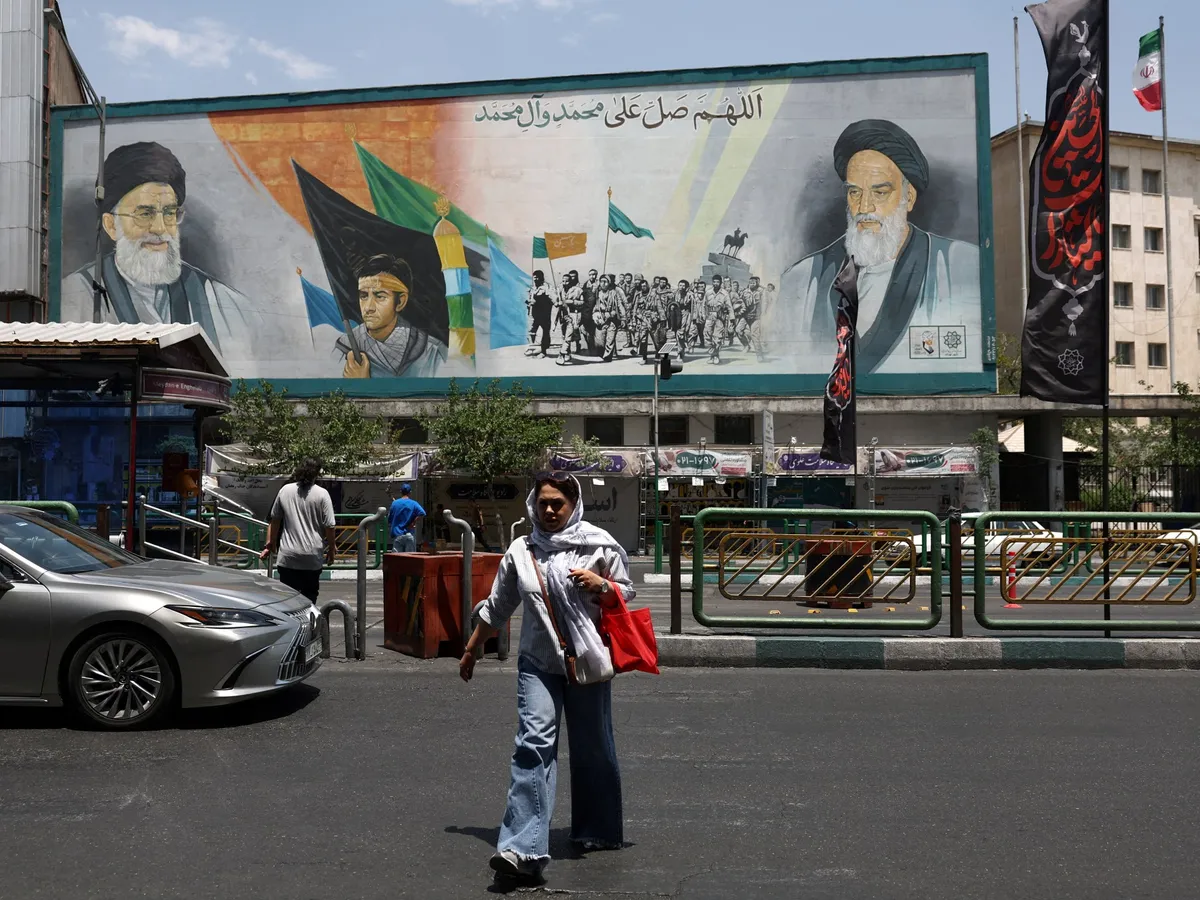
Al JazeeraFIG 01
Reading time
2min
Word count
326words
Sources cited
4cited
Entities identified
12entities
Quality score
100%
§ 01
Briefing Summary
AI-generatedNEWSAR · AI
Negotiations between Iran and the United States are facing significant hurdles as they aim for a final deal within 60 days. A key dispute centers on nuclear inspections, with Iran's Foreign Ministry spokesperson denying reports of an agreement for the International Atomic Energy Agency (IAEA) to return, stating existing procedures will govern their dealings. Iran suspended cooperation with the IAEA after strikes on its nuclear facilities in June 2025. Concurrently, US Secretary of State Marco Rubio asserted that Iran will not be permitted to charge tolls in the Strait of Hormuz, emphasizing the waterway's need to remain open. Meanwhile, Iran's military strategy has reportedly shifted to include preemptive operations.
Confidence 0.90Sources 4Claims 5Entities 12
§ 02
Article analysis
Model · rule-basedFraming
Diplomatic
Conflict
Tone
Measured
AI-assessed
CalmNeutralAlarmist
Factuality
0.70 / 1.00
Factual
LowHigh
Sources cited
4
Well sourced
FewMany
§ 03
Key claims
5 extracted01
US Secretary of State Marco Rubio said Iran would not be allowed to charge tolls in the Strait of Hormuz under a final agreement.
quoteMarco Rubio
Confidence
1.00
02
Iran has moved away from a purely defensive posture and now includes preemptive operations in its military strategy.
quoteGeneral Ahmad Reza Pourdastan
Confidence
0.90
03
Iran rejected US claims that it had agreed to allow nuclear inspectors back into the country after President Donald Trump said Tehran had accepted the 'highest level' of monitoring.
factualIranian Foreign Ministry spokesperson Esmaeil Baghaei
Confidence
0.90
04
Iran and the US have offered conflicting accounts of key issues as negotiators work towards a final agreement within a 60-day window.
factual
Confidence
0.90
05
Iran suspended cooperation with the IAEA after US and Israeli strikes on its nuclear facilities in June 2025.
factual
Confidence
0.80
§ 04
Full report
2 min read · 326 words§ 05
Entities
12 identifiedKey playerOppositionContextPositiveNeutralNegative
People6
Organizations3
§ 06
Keywords & salience
8 termsnuclear inspections
1.00
strait of hormuz
0.90
final deal
0.80
iaea
0.70
us
0.60
iran
0.60
military strategy
0.50
war powers
0.40
§ 07
Topic connections
Interactive graph Network visualization showing 51 related topics
View Full Graph Person Organization Location Event|Click node to navigate|Edge numbers = shared articles