EXPLAINERVenezuela and Japan are both hit by strong quakes, but Venezuela faces higher risks due to weaker building standards.Two powerful Earthquakes have hit Venezuela, killing at least 164 people and injuring 971 as dozens of buildings collapsed into piles of shattered concrete and steel in and around the capital, Caracas.The Central American region is particularly vulnerable to Earthquakes because it lies along a highly active tectonic zone. Here is what we know:What happened in Venezuela?About 6:04pm (22:04 GMT) on Wednesday, a magnitude 7.2 earthquake hit about 160km (100 miles) west of Caracas, followed less than a minute later by a magnitude 7.5 quake, according to the United States Geological Survey (USGS).The Venezuelan government declared a state of emergency, and the USGS warned that the death toll could rise.Using predictive modelling to estimate the death toll, the USGS predicted deaths could reach into the thousands and said there is a substantial probability that they could exceed 10,000.Al Jazeera’s Teresa Bo reported from Bogota in neighbouring Colombia that the heaviest damage occurred in Caracas, particularly in the Altamira district, where emergency crews pulled survivors from the rubble of a 22-storey building while relatives searched for missing family members. Officials said they are still assessing the full extent of the destruction.The USGS has also warned of strong aftershocks in the coming days.(Al Jazeera)How vulnerable is Venezuela to Earthquakes?The country has a long history of devastating Earthquakes because it is located along the boundary between the Caribbean and South American tectonic plates.
SRCAl Jazeera
LANGEN
LEANCenter
WORDS248
ENT11
THU · 2026-06-25 · 10:39 GMTBRIEF NSR-2026-0625-87296
NSR-2026-0625-87296Analysis·EN·Human Interest
Venezuela earthquakes: Why is Central America so vulnerable to tremors?
Venezuela experienced two powerful earthquakes, a magnitude 7.2 followed by a 7.5, approximately 160km west of its capital, Caracas, on Wednesday evening. These tremors caused at least 164 deaths and 971 injuries, with dozens of buildings collapsing.
By ReutersAl JazeeraFiled 2026-06-25 · 10:39 GMTLean · CenterRead · 1 min
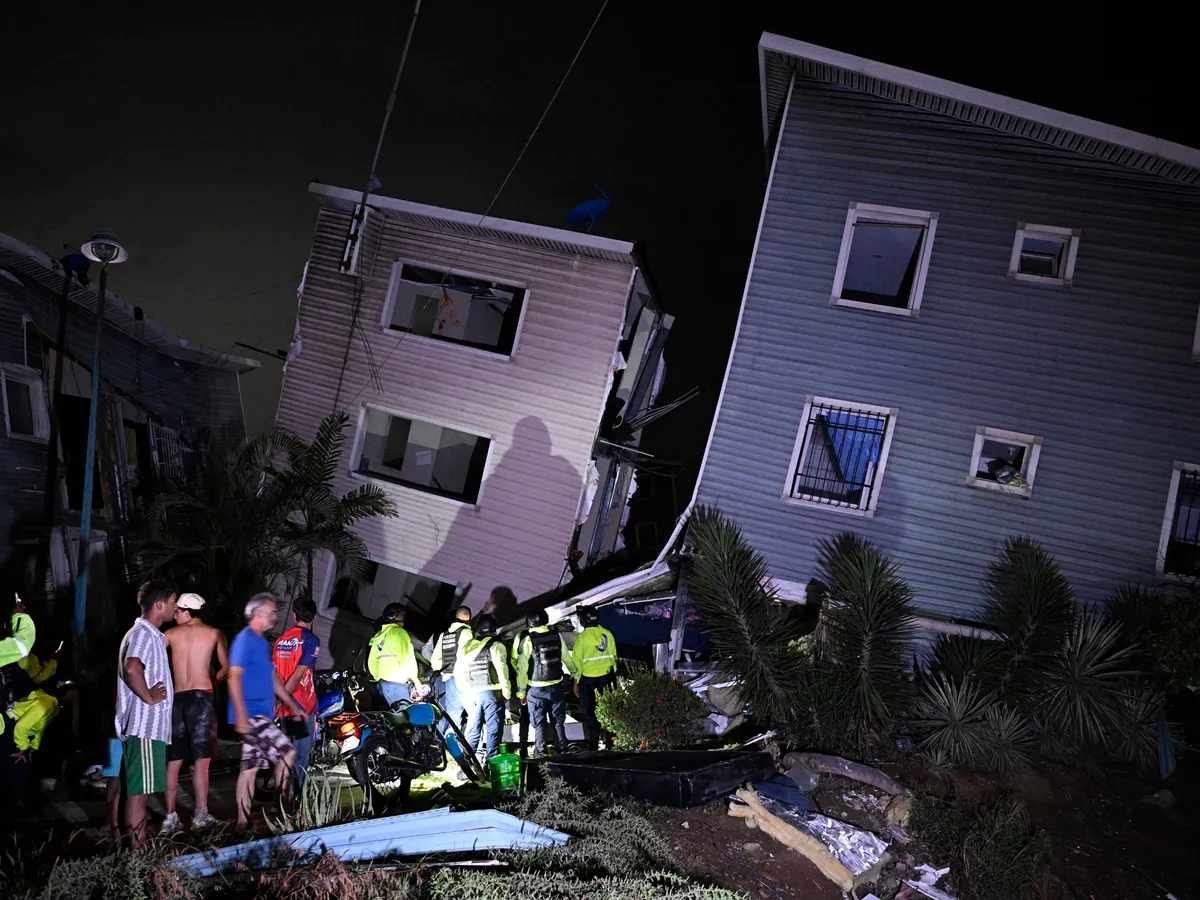
Al JazeeraFIG 01
Reading time
1min
Word count
248words
Sources cited
2cited
Entities identified
11entities
Quality score
100%
§ 01
Briefing Summary
AI-generatedNEWSAR · AI
Venezuela experienced two powerful earthquakes, a magnitude 7.2 followed by a 7.5, approximately 160km west of its capital, Caracas, on Wednesday evening. These tremors caused at least 164 deaths and 971 injuries, with dozens of buildings collapsing. The Central American region, including Venezuela, is highly vulnerable to earthquakes due to its location along an active tectonic zone where the Caribbean and South American plates meet. The United States Geological Survey (USGS) warned that the death toll could rise significantly, potentially reaching thousands or even exceeding 10,000. The Venezuelan government declared a state of emergency in response to the disaster, and strong aftershocks are anticipated.
Confidence 0.90Sources 2Claims 5Entities 11
§ 02
Article analysis
Model · rule-basedFraming
Human Interest
Public Health
Tone
Mixed Tone
AI-assessed
CalmNeutralAlarmist
Factuality
0.80 / 1.00
Factual
LowHigh
Sources cited
2
Limited
FewMany
§ 03
Key claims
5 extracted01
A magnitude 7.2 earthquake hit about 160km west of Caracas, followed by a magnitude 7.5 quake.
statisticUnited States Geological Survey (USGS)
Confidence
1.00
02
The Central American region is particularly vulnerable to earthquakes because it lies along a highly active tectonic zone.
factual
Confidence
1.00
03
Two powerful earthquakes have hit Venezuela, killing at least 164 people and injuring 971.
statistic
Confidence
1.00
04
Venezuela faces higher risks due to weaker building standards compared to Japan.
factual
Confidence
0.90
05
The USGS predicted deaths could reach into the thousands and said there is a substantial probability that they could exceed 10,000.
predictionUnited States Geological Survey (USGS)
Confidence
0.90
§ 04
Full report
1 min read · 248 words§ 05
Entities
11 identifiedKey playerOppositionContextPositiveNeutralNegative
Organizations1
Locations6
§ 06
Keywords & salience
10 termsvenezuela
1.00
earthquakes
1.00
tectonic plates
0.90
building standards
0.80
central america
0.70
vulnerability
0.70
magnitude 7.2 earthquake
0.60
death toll
0.50
usgs
0.40
aftershocks
0.40
§ 07
Topic connections
Interactive graph Network visualization showing 51 related topics
View Full Graph Person Organization Location Event|Click node to navigate|Edge numbers = shared articles