For as long as she can remember, 13-year-old Lauryn struggled to find a map that included Cape Verde. Now, to her great delight, the tiny African island nation is finally centre stage.“Seeing our country shown across the world at the World Cup makes me feel incredibly proud,” Lauryn says. “After the first match, everyone was talking about Cape Verde. People saw the talent and the skill of our players.”Cape Verde, or Cabo Verde as the diaspora community in the UK knows it, are having a historic run at their first ever World Cup. The African nation, made up of 10 islands, has defied expectations by holding its own against the tournament’s leading teams.Located in the Atlantic Ocean about 370 miles (600km) off the coast of mainland Africa, and with a population of just over 500,000, it is one of the smallest nations to compete at the tournament.Lauryn, who has already published her first book, Unsung, says she scrolled through social media before Cape Verde’s opening match against Spain. “There were lots of posts on social media saying Cape Verde only had a 1% chance of winning. But after everyone saw our goalkeeper’s performance, everything changed.”Goalkeeper Vozinha celebrates after Cape Verde’s draw with Uruguay. Photograph: Xinhua/ShutterstockThat 1% prediction has since become a rallying cry for the Cape Verdean diaspora in Britain, which is estimated to number in the low thousands. “Our slogan in the Cape Verdean community became: ‘They gave us 1% chance, but we had 99% faith,’” Lauryn says.The team held a stunned Spain to a 0-0 draw. Their next match, against Uruguay, felt like a “constant heart attack”, says Annabella Lopes of the Cape Verdean Association UK. The game ended 2-2.Now, the team, quickly becoming fans’ favourite underdogs, face Saudi Arabia in their final group stage match, which kicks off at 9pm ET on Friday in Houston, Texas – or 1am Saturday for Lauryn and others watching in the UK. A win will secure them a historic spot in the knockouts, while a draw will give them a fighting chance to qualify as one of the eight best third-placed teams.Lauryn’s younger brother, 10-year-old Joylen, who plays football for Chelsea’s academy, says watching the tournament has strengthened his belief in the team. “I think we can definitely go very far. I knew people shouldn’t underestimate us because if we can draw against Spain and Uruguay, imagine what we can do against other teams.”It has also inspired his own ambition. “It makes me want to reach my highest level,” he says.For Lopes, the team’s performance sends a powerful message to the Cape Verde diaspora community across the world, as well as those who hail from small countries. “The success happening on the pitch reflects the resilience and strength of our people,” she says. “The fact that you are small, and the fact that people don’t know you, doesn’t mean you can’t achieve great things.”skip past newsletter promotionafter newsletter promotionCape Verde supporters in Rotterdam in the Netherlands. Photograph: Robin Utrecht/EPAShe adds that it is not about winning or losing. “The important thing is to take part. Cape Verde is taking part, Cape Verde is competing, Cape Verde is achieving, and Cape Verde is making history.”Much of the admiration has centred on the veteran goalkeeper Vozinha, whose Instagram page went from hundreds of thousands to nearly 10 million followers over the space of two games.Nancy Rodrigues, a 38-year-old NHS physiotherapist living in the UK, says she treated the “really nice” goalkeeper when living in Angola. “He definitely deserves all the attention he’s getting now,” she says. “It’s amazing because everyone knows Cape Verde through him. That feels incredible.”Elisangela, a 36-year-old accountant, known as Elly, says the team’s success has electrified the diaspora community across the world. “We have never experienced a moment like this before. Everyone is excited. People are calling each other, checking in and asking how they’re feeling and how they’re living through this moment with their families and friends.”Lauryn and Joylen’s mother, Christina, hopes the team’s success leads to interest in the country that goes much further than football. “We are creative people. There is so much talent, not only in football but also in music, literature and the arts.”She says she is particularly proud of the values and resilience the team is showing on the world stage, and points to the Cape Verde manager, Bubista, and his tradition of giving a gift to the coach of the opposing team before the start of each game.“That’s part of who we are. We come as warriors on the pitch, but we honour and respect one another,” she says. “I think that’s what people are seeing. They’re not seeing arrogance. They’re seeing humility, unity and men crying because they care so much. It’s beautiful.”
SRCThe Guardian - World News
LANGEN
LEANCenter-Left
WORDS792
ENT12
FRI · 2026-06-26 · 12:03 GMTBRIEF NSR-2026-0626-87675
NSR-2026-0626-87675News Report·EN·Human Interest
‘Everyone is talking about Cape Verde’: World Cup run delights diaspora community in UK
Cape Verde, a small island nation, is making its debut at the World Cup and has surprised many with strong performances, including draws against Spain and Uruguay. This historic run has generated immense pride among the Cape Verdean diaspora in the UK, who previously struggled to find their country on maps.
Aamna MohdinThe Guardian - World NewsFiled 2026-06-26 · 12:03 GMTLean · Center-LeftRead · 4 min
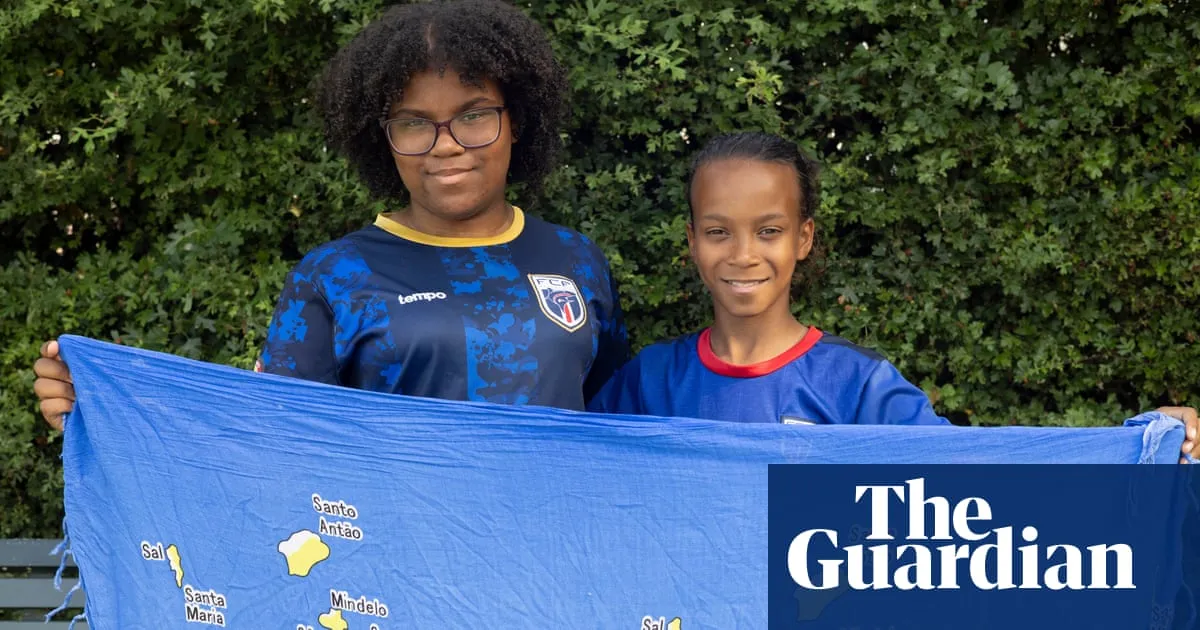
The Guardian - World NewsFIG 01
Reading time
4min
Word count
792words
Sources cited
5cited
Entities identified
12entities
Quality score
100%
§ 01
Briefing Summary
AI-generatedNEWSAR · AI
Cape Verde, a small island nation, is making its debut at the World Cup and has surprised many with strong performances, including draws against Spain and Uruguay. This historic run has generated immense pride among the Cape Verdean diaspora in the UK, who previously struggled to find their country on maps. The team's underdog status, highlighted by a "1% chance" prediction, has become a rallying cry for the community. Their success is inspiring younger generations and showcasing the resilience and talent of Cape Verdeans beyond football. The team's humility and respect for opponents are also being noted.
Confidence 0.90Sources 5Claims 4Entities 12
§ 02
Article analysis
Model · rule-basedFraming
Human Interest
Tone
Measured
AI-assessed
CalmNeutralAlarmist
Factuality
0.85 / 1.00
Factual
LowHigh
Sources cited
5
Well sourced
FewMany
§ 03
Key claims
4 extracted01
The Cape Verde diaspora community in Britain has estimated to number in the low thousands.
factual
Confidence
1.00
02
A win will secure them a historic spot in the knockouts, while a draw will give them a fighting chance to qualify as one of the eight best third-placed teams.
factual
Confidence
1.00
03
The team held a stunned Spain to a 0-0 draw and then drew with Uruguay 2-2.
factual
Confidence
1.00
04
Cape Verde, or Cabo Verde as the diaspora community in the UK knows it, are having a historic run at their first ever World Cup.
factual
Confidence
1.00
§ 04
Full report
4 min read · 792 words§ 05
Entities
12 identifiedKey playerOppositionContextPositiveNeutralNegative
People4
Locations5
§ 06
Keywords & salience
8 termscape verde
1.00
world cup
0.90
diaspora community
0.80
underdogs
0.70
historic run
0.70
national pride
0.60
football
0.50
uk
0.40
§ 07
Topic connections
Interactive graph Network visualization showing 15 related topics
View Full Graph Person Organization Location Event|Click node to navigate|Edge numbers = shared articles