China’s Law on Promoting Ethnic Unity and Progress, passed in March, takes effect this month. It stands alongside the 1984 Law on Regional Ethnic Autonomy as a foundational, comprehensive statute on ethnic affairs, placing the task of forging a strong sense of community squarely within the legal framework.Yet voices abroad have rushed to brand it an act of “transnational repression” and “long-arm jurisdiction”, training their fire on Article 63.Such claims borrow from the vocabulary of law but cannot survive its scrutiny. Begin with what Article 63 actually says. It provides that organisations and individuals outside China who act to undermine China’s ethnic unity and progress, or create ethnic division, are to be pursued in accordance with the law. The operative verbs – undermine and create – describe conduct that inflicts harm; they do not go so far as to include policing of opinion.
SRCSouth China Morning Post
LANGEN
LEANCenter-Right
WORDS143
ENT6
THU · 2026-07-02 · 01:30 GMTBRIEF NSR-2026-0702-89205
NSR-2026-0702-89205Analysis·EN·Legal & Judicial
China’s ethnic unity law is not a tool of transnational repression
China's new Law on Promoting Ethnic Unity and Progress, effective this month, aims to legally establish the task of fostering a strong sense of community. This law complements the existing 1984 Law on Regional Ethnic Autonomy.
Wang JiangSouth China Morning PostFiled 2026-07-02 · 01:30 GMTLean · Center-RightRead · 1 min
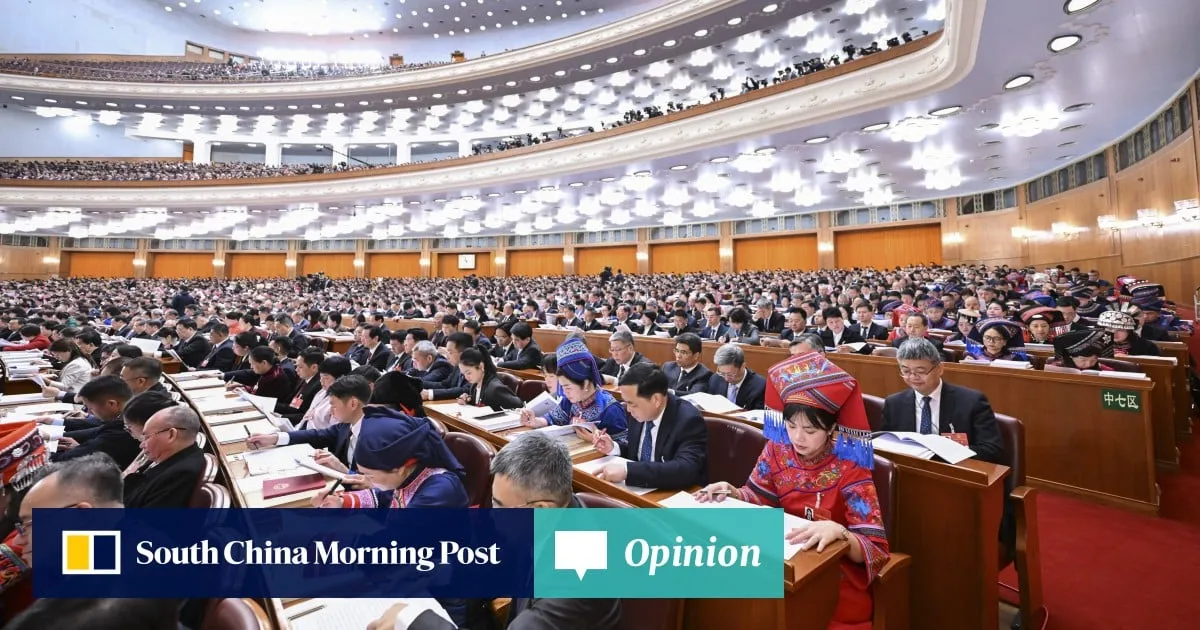
South China Morning PostFIG 01
Reading time
1min
Word count
143words
Sources cited
0cited
Entities identified
6entities
Quality score
100%
§ 01
Briefing Summary
AI-generatedNEWSAR · AI
China's new Law on Promoting Ethnic Unity and Progress, effective this month, aims to legally establish the task of fostering a strong sense of community. This law complements the existing 1984 Law on Regional Ethnic Autonomy. However, some international voices have labeled the new law as "transnational repression" and "long-arm jurisdiction," particularly focusing on Article 63. This article states that organizations and individuals outside China who engage in actions that undermine ethnic unity or create ethnic division will be pursued according to the law. The article argues that the verbs "undermine" and "create" refer to harmful conduct, not the policing of opinions.
Confidence 0.85Claims 4Entities 6
§ 02
Article analysis
Model · rule-basedFraming
Legal & Judicial
Political Strategy
Tone
Measured
AI-assessed
CalmNeutralAlarmist
Factuality
0.40 / 1.00
Mixed
LowHigh
Sources cited
0
No named sources
FewMany
§ 03
Key claims
4 extracted01
The operative verbs in Article 63 describe harmful conduct, not policing of opinion.
factual
Confidence
1.00
02
Claims that the law is an act of 'transnational repression' and 'long-arm jurisdiction' are disputed.
factual
Confidence
1.00
03
Article 63 states that organizations and individuals outside China who undermine China's ethnic unity are to be pursued.
factual
Confidence
1.00
04
China's Law on Promoting Ethnic Unity and Progress was passed in March and takes effect this month.
factual
Confidence
1.00
§ 04
Full report
1 min read · 143 words§ 05
Entities
6 identifiedKey playerOppositionContextPositiveNeutralNegative
Locations1
§ 06
Keywords & salience
9 termsethnic unity law
1.00
transnational repression
0.90
ethnic affairs
0.80
legal framework
0.70
long-arm jurisdiction
0.60
ethnic autonomy
0.50
community
0.40
undermine
0.40
ethnic division
0.40
§ 07
Topic connections
Interactive graph Network visualization showing 51 related topics
View Full Graph Person Organization Location Event|Click node to navigate|Edge numbers = shared articles