When the ground shook off Iwate prefecture at 9pm on Wednesday, the magnitude 6.0 jolt – the latest in a series of sizeable tremors – barely registered in a country still mopping up after two powerful typhoons and bracing for a fresh bout of torrential rain and landslides.Natural disasters have long been a fact of life in Japan, where schoolchildren rehearse earthquake evacuations the way other nations hold fire drills.Every September 1, in a ritual as much of collective memory as civil defence, communities nationwide mark the anniversary of the 1923 earthquake" class="entity-link entity-event" data-entity-id="157757" data-entity-type="event">Great Kanto earthquake with evacuation exercises, mock rescues and firefighting drills.Schoolchildren wear padded hoods to protect them from falling debris during an earthquake simulation drill at a primary school in Tokyo in 2018. Photo: ReutersBut Japan itself has changed beyond recognition since those drills were designed and experts warn the nation’s contingency plans have failed to keep pace.
SRCSouth China Morning Post
LANGEN
LEANCenter-Right
WORDS149
ENT9
FRI · 2026-07-03 · 01:30 GMTBRIEF NSR-2026-0703-89571
NSR-2026-0703-89571News Report·EN·Human Interest
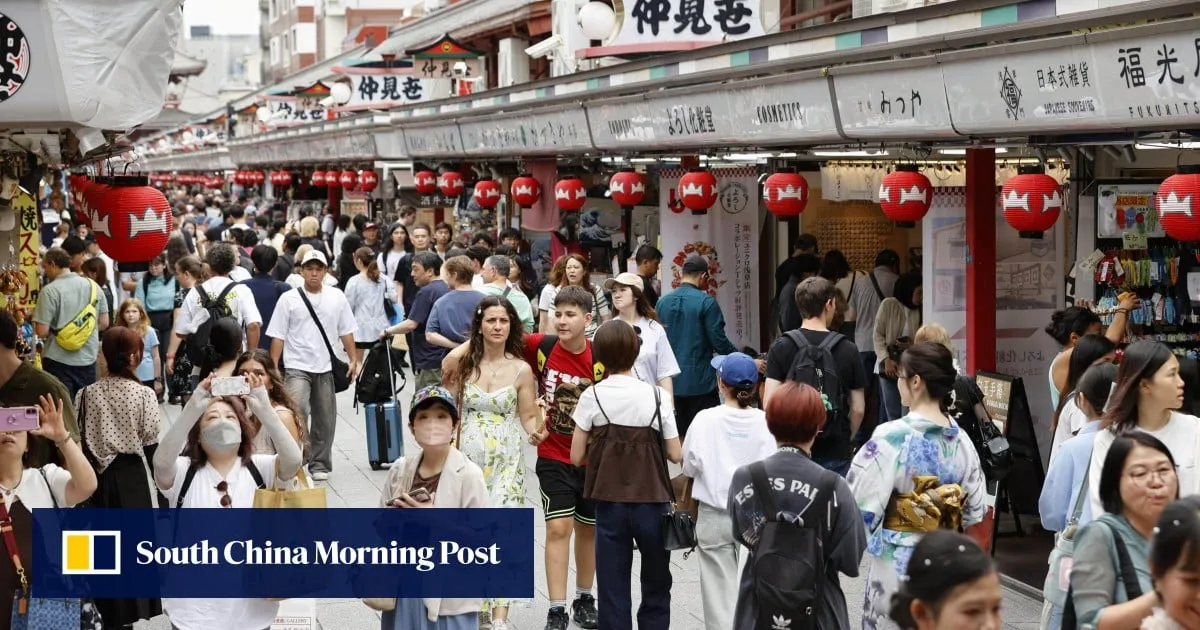
Japan’s disaster plans fail to keep pace with tourist boom
Japan, a nation accustomed to natural disasters, is facing challenges as its disaster preparedness plans lag behind a significant increase in tourism. Despite regular earthquake drills and annual commemorations of past seismic events, experts warn that contingency plans have not evolved sufficiently.
Julian RyallSouth China Morning PostFiled 2026-07-03 · 01:30 GMTLean · Center-RightRead · 1 min
South China Morning PostFIG 01
Reading time
1min
Word count
149words
Sources cited
0cited
Entities identified
9entities
Quality score
100%
§ 01
Briefing Summary
AI-generatedNEWSAR · AI
Japan, a nation accustomed to natural disasters, is facing challenges as its disaster preparedness plans lag behind a significant increase in tourism. Despite regular earthquake drills and annual commemorations of past seismic events, experts warn that contingency plans have not evolved sufficiently. This is particularly concerning given the country's recent experiences with powerful typhoons and the ongoing threat of heavy rainfall and landslides. The article highlights that while disaster preparedness is a long-standing practice in Japan, the nation's changing landscape, including a boom in tourism, necessitates updated strategies. The current plans, designed in a different era, may not adequately address the complexities of managing a large influx of visitors during emergencies.
Confidence 0.85Claims 4Entities 9
§ 02
Article analysis
Model · rule-basedFraming
Human Interest
Public Health
Tone
Measured
AI-assessed
CalmNeutralAlarmist
Factuality
0.70 / 1.00
Factual
LowHigh
Sources cited
0
No named sources
FewMany
§ 03
Key claims
4 extracted01
Communities nationwide mark the anniversary of the 1923 Great Kanto Earthquake with evacuation exercises.
factual
Confidence
1.00
02
Schoolchildren in Japan practice earthquake evacuations as a standard safety drill.
factual
Confidence
1.00
03
Japan experiences frequent natural disasters, including earthquakes, typhoons, and heavy rainfall.
factual
Confidence
1.00
04
Japan's disaster contingency plans have not kept pace with changes in the country, particularly a boom in tourism.
factualexperts
Confidence
0.80
§ 04
Full report
1 min read · 149 words§ 05
Entities
9 identifiedKey playerOppositionContextPositiveNeutralNegative
Events3
§ 06
Keywords & salience
9 termsdisaster plans
1.00
natural disasters
0.90
tourist boom
0.80
contingency plans
0.70
earthquake evacuations
0.60
typhoons
0.50
landslides
0.50
japan
0.40
evacuation exercises
0.40
§ 07
Topic connections
Interactive graph Network visualization showing 51 related topics
View Full Graph Person Organization Location Event|Click node to navigate|Edge numbers = shared articles