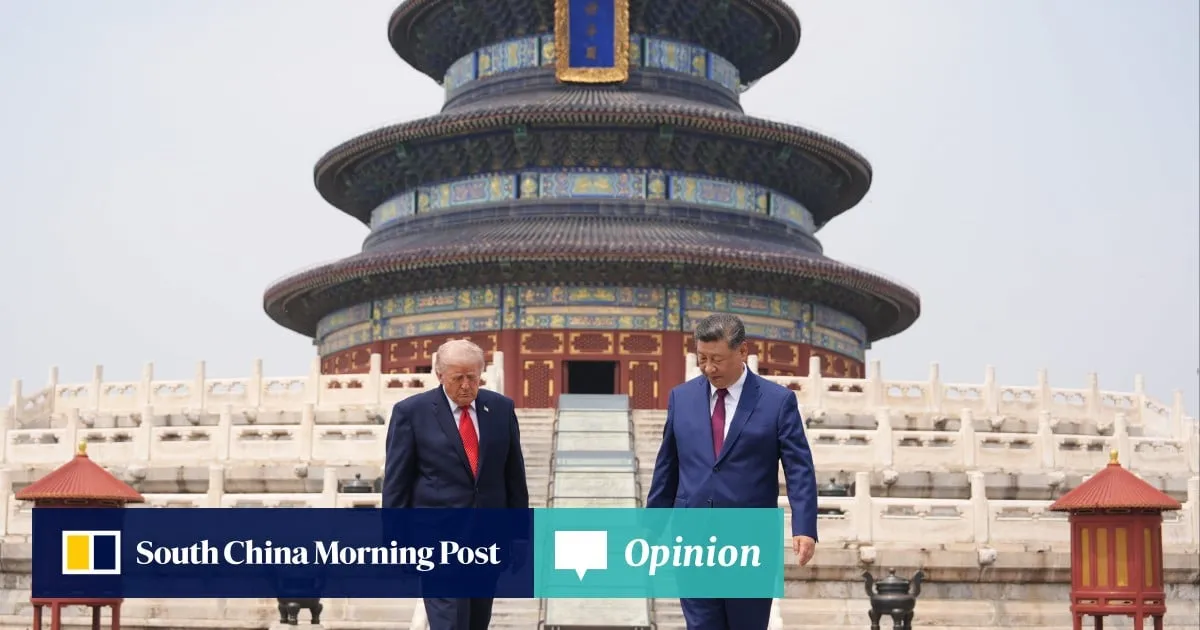
Andrew Sheng is a former central banker and financial regulator, currently distinguished fellow at the Asia Global Institute, University of Hong Kong.China is such a giant player in the global economy that understanding how the China-contest" class="entity-link entity-topic" data-entity-id="158386" data-entity-type="topic">US-China contest of the century for international primacy will evolve has become crucial.Some Westerners, especially those in the United States, feel so threatened that they have resorted to protectionism, with global fragmentation and perhaps even preparations for a third world war already in the cards. Kishore Mahbubani’s book Has China Won? highlighted deep misunderstandings and structural tensions between China and the US.In February, the US and Israel attacked Iran. The Trump administration got bogged down in a war of attrition, drawing comparisons to conflicts with countries such as Vietnam.
SRCSouth China Morning Post
LANGEN
LEANCenter-Right
WORDS124
ENT12
FRI · 2026-07-03 · 21:30 GMTBRIEF NSR-2026-0703-89846
NSR-2026-0703-89846Opinion·EN·Political Strategy
The US has failed to understand China
Understanding the evolving US-China contest for global primacy is crucial due to China's significant economic role. Some Westerners, particularly in the United States, perceive a threat and have adopted protectionist measures, potentially leading to global fragmentation and even conflict.
Andrew ShengSouth China Morning PostFiled 2026-07-03 · 21:30 GMTLean · Center-RightRead · 1 min
South China Morning PostFIG 01
Reading time
1min
Word count
124words
Sources cited
2cited
Entities identified
12entities
Quality score
100%
§ 01
Briefing Summary
AI-generatedNEWSAR · AI
Understanding the evolving US-China contest for global primacy is crucial due to China's significant economic role. Some Westerners, particularly in the United States, perceive a threat and have adopted protectionist measures, potentially leading to global fragmentation and even conflict. Kishore Mahbubani's book, "Has China Won?", points to deep misunderstandings and structural tensions between the two nations. The article mentions that in February, the US and Israel attacked Iran, and the Trump administration became involved in a protracted conflict, drawing parallels to the Vietnam War.
Confidence 0.85Sources 2Claims 4Entities 12
§ 02
Article analysis
Model · rule-basedFraming
Political Strategy
Economic Impact
Tone
Mixed Tone
AI-assessed
CalmNeutralAlarmist
Factuality
0.20 / 1.00
Opinion-Heavy
LowHigh
Sources cited
2
Limited
FewMany
§ 03
Key claims
4 extracted01
Kishore Mahbubani's book 'Has China Won?' highlights deep misunderstandings and structural tensions between China and the US.
quoteKishore Mahbubani
Confidence
1.00
02
Understanding the evolution of the US-China contest for international primacy is crucial due to China's significant role in the global economy.
factual
Confidence
0.90
03
Some Westerners, particularly in the US, feel threatened by China and have resorted to protectionism, leading to global fragmentation and potential for a third world war.
factual
Confidence
0.70
04
The Trump administration became bogged down in a war of attrition in conflicts, drawing comparisons to the Vietnam War.
factual
Confidence
0.60
§ 04
Full report
1 min read · 124 words§ 05
Entities
12 identifiedKey playerOppositionContextPositiveNeutralNegative
Organizations3
§ 06
Keywords & salience
8 termsus-china relations
1.00
global economy
0.90
international primacy
0.80
protectionism
0.70
global fragmentation
0.60
structural tensions
0.50
war of attrition
0.40
kishore mahbubani
0.40
§ 07
Topic connections
Interactive graph Network visualization showing 51 related topics
View Full Graph Person Organization Location Event|Click node to navigate|Edge numbers = shared articles