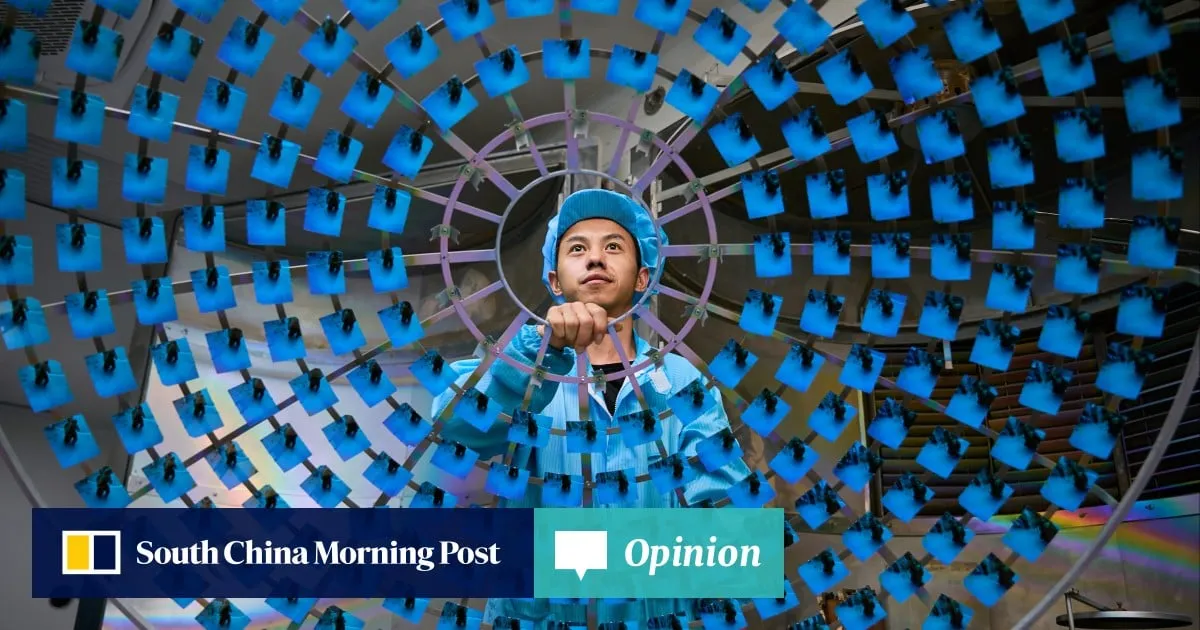
Almost anywhere you look these days, you can find claims from political, academic and other various sources that China’s supposed overproduction and exports of manufactured goods pose unfair advantages. These sources may also claim such unfair advantages justify protectionist countermeasures. But it is difficult to counter one’s own folly.For decades, the US, much of Europe and even Japan, long proud of its manufacturing skills, have prided themselves on becoming “post-industrial” and services-oriented economies. They did not ask who is supposed to make “things” when thing-making is no longer in fashion.So, it’s no wonder that a goal-oriented China, which strategically plans for the long-term rather than leaving matters to the supposed wisdom of the marketplace, stepped in to fill the inevitable supply and demand gap.
SRCSouth China Morning Post
LANGEN
LEANCenter-Right
WORDS124
ENT10
SAT · 2026-07-04 · 08:30 GMTBRIEF NSR-2026-0704-89960
NSR-2026-0704-89960Analysis·EN·Economic Impact
Blaming China won’t bring jobs back to ‘post-industrial’ economies
Claims that China's overproduction and exports create unfair advantages, justifying protectionism, are prevalent. However, the article argues that this perspective overlooks the decades-long shift by the US, Europe, and Japan towards becoming "post-industrial" and services-oriented economies.
Anthony RowleySouth China Morning PostFiled 2026-07-04 · 08:30 GMTLean · Center-RightRead · 1 min
South China Morning PostFIG 01
Reading time
1min
Word count
124words
Sources cited
0cited
Entities identified
10entities
Quality score
100%
§ 01
Briefing Summary
AI-generatedNEWSAR · AI
Claims that China's overproduction and exports create unfair advantages, justifying protectionism, are prevalent. However, the article argues that this perspective overlooks the decades-long shift by the US, Europe, and Japan towards becoming "post-industrial" and services-oriented economies. This strategic decision meant these nations largely abandoned manufacturing. China, with its long-term planning, then stepped in to fill the resulting gap in "thing-making" and supply. Therefore, blaming China for job losses in these economies ignores their own prior choices.
Confidence 0.85Claims 4Entities 10
§ 02
Article analysis
Model · rule-basedFraming
Economic Impact
Political Strategy
Tone
Measured
AI-assessed
CalmNeutralAlarmist
Factuality
0.30 / 1.00
Opinion-Heavy
LowHigh
Sources cited
0
No named sources
FewMany
§ 03
Key claims
4 extracted01
These sources may claim such unfair advantages justify protectionist countermeasures.
factualvarious sources
Confidence
0.90
02
Claims exist that China's overproduction and exports of manufactured goods pose unfair advantages.
factualvarious sources
Confidence
0.90
03
The US, Europe, and Japan have prided themselves on becoming 'post-industrial' and services-oriented economies.
factual
Confidence
0.80
04
China stepped in to fill the supply and demand gap when 'thing-making' was no longer fashionable in post-industrial economies.
factual
Confidence
0.70
§ 04
Full report
1 min read · 124 words§ 05
Entities
10 identifiedKey playerOppositionContextPositiveNeutralNegative
Locations4
§ 06
Keywords & salience
7 termspost-industrial economies
1.00
china overproduction
0.90
manufacturing skills
0.80
services-oriented economies
0.70
protectionist countermeasures
0.60
supply and demand gap
0.50
strategic planning
0.40
§ 07
Topic connections
Interactive graph Network visualization showing 51 related topics
View Full Graph Person Organization Location Event|Click node to navigate|Edge numbers = shared articles