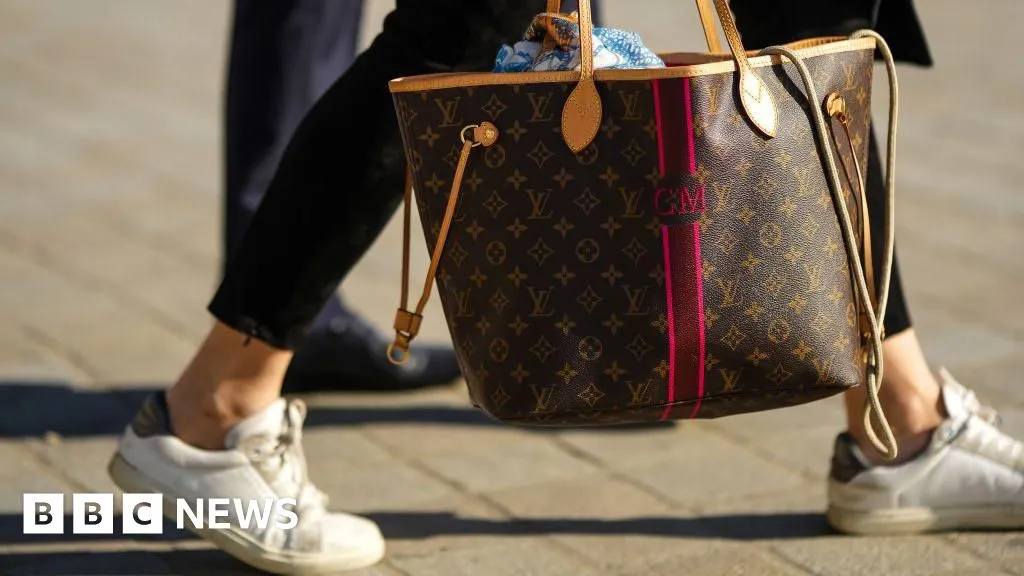
On June 10, police in Thanh Hoa province dismantled a ring that manufactured and sold more than 10,000 counterfeit jewellery items. The fakes imitated brands like Bvlgari, Cartier, Louis Vuitton, and Tiffany & Co, and generated an estimated $1,140,000 in illicit profits for the counterfeit syndicate.Market stalls in Ho Chi Minh City and Hanoi have shuttered, while police have stormed warehouses, clothing outlets and sneaker stores.Locals, however, are divided by the crackdown. And while it appears to be forcing some vendors out of business, others are hoping for a boon.Huong Thi Nguyen designs, makes and sells her own clothing across multiple stores in Ho Chi Minh City and Da Lat. The way she sees it, not only does the counterfeit industry violate the IP rights of designers like herself, it also "makes Vietnam's retail market chaotic and turns it into something of a joke".She says customers are willing to spend $75 on a fake designer dress which appears authentic, but complain when charged half that for a custom piece – "even when it's made with quality fabric and good tailoring"."Vietnam has no shortage of highly skilled tailors and hand embroiderers, but many of them are overlooked and do not receive the income they deserve," she says. "Quite a few eventually end up working in factories producing counterfeit goods."Now that those counterfeit sellers are being forced to close, she is preparing to invest more in her business and raise prices."I feel more confident operating in a business environment that is cleaner, more transparent, and fairer," she says. "This isn't really about winners and losers. It's about restoring fairness and putting right and wrong, genuine and fake, back into their proper place."
SRCBBC News - World
LANGEN
LEANCenter
WORDS280
ENT12
SUN · 2026-07-05 · 22:01 GMTBRIEF NSR-2026-0706-90316
NSR-2026-0706-90316News Report·EN·Economic Impact
A global hub for fake luxury goods, Vietnam cracks down on its black market
Vietnam is intensifying its crackdown on a significant black market for counterfeit luxury goods, prompted in part by pressure from the Trump administration. Recent police actions include dismantling a ring in Thanh Hoa province that produced over 10,000 fake jewelry items, generating substantial illicit profits.
2 hours agoBBC News - WorldFiled 2026-07-05 · 22:01 GMTLean · CenterRead · 2 min
BBC News - WorldFIG 01
Reading time
2min
Word count
280words
Sources cited
1cited
Entities identified
12entities
Quality score
100%
§ 01
Briefing Summary
AI-generatedNEWSAR · AI
Vietnam is intensifying its crackdown on a significant black market for counterfeit luxury goods, prompted in part by pressure from the Trump administration. Recent police actions include dismantling a ring in Thanh Hoa province that produced over 10,000 fake jewelry items, generating substantial illicit profits. Market stalls and businesses suspected of selling counterfeit products in major cities like Ho Chi Minh City and Hanoi have been targeted. This crackdown has divided local sentiment; while some vendors face closure, designers like Huong Thi Nguyen see it as an opportunity to create a fairer market for authentic goods and skilled artisans. Nguyen believes the counterfeit industry harms intellectual property rights and devalues genuine products, hoping the crackdown will lead to a cleaner, more transparent business environment.
Confidence 0.90Sources 1Claims 5Entities 12
§ 02
Article analysis
Model · rule-basedFraming
Economic Impact
Legal & Judicial
Tone
Measured
AI-assessed
CalmNeutralAlarmist
Factuality
0.70 / 1.00
Factual
LowHigh
Sources cited
1
Limited
FewMany
§ 03
Key claims
5 extracted01
The counterfeit industry violates IP rights and makes Vietnam's retail market chaotic.
quoteHuong Thi Nguyen
Confidence
1.00
02
The counterfeit jewelry imitated brands like Bvlgari, Cartier, Louis Vuitton, and Tiffany & Co.
factual
Confidence
1.00
03
Police in Thanh Hoa province dismantled a ring that manufactured and sold over 10,000 counterfeit jewelry items.
factual
Confidence
1.00
04
Many skilled tailors and hand embroiderers in Vietnam end up working in factories producing counterfeit goods.
quoteHuong Thi Nguyen
Confidence
0.90
05
The counterfeit syndicate generated an estimated $1,140,000 in illicit profits.
statistic
Confidence
0.90
§ 04
Full report
2 min read · 280 words§ 05
Entities
12 identifiedKey playerOppositionContextPositiveNeutralNegative
Organizations4
Locations5
§ 06
Keywords & salience
9 termscounterfeit goods
1.00
black market
0.90
intellectual property rights
0.80
vietnam
0.70
crackdown
0.70
luxury brands
0.60
illicit profits
0.50
retail market
0.50
business environment
0.40
§ 07
Topic connections
Interactive graph No topic relationship data available yet. This graph will appear once topic relationships have been computed.