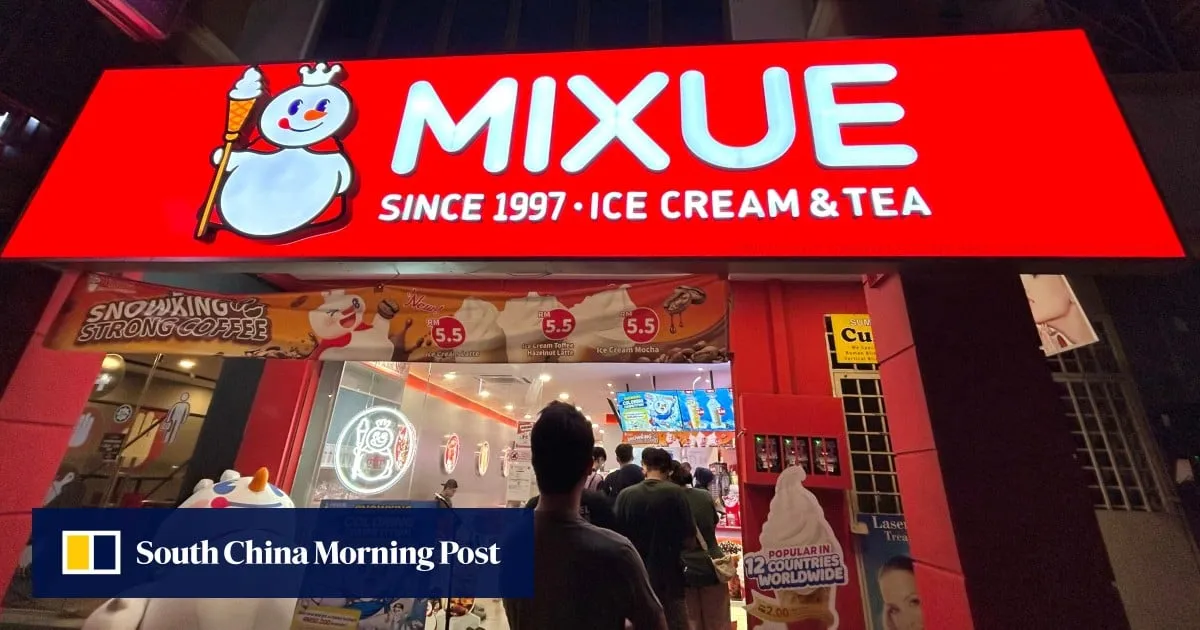
Three months after moving from China to Japan, Alisa Lin has yet to buy a single drink from Mixue – the Chinese ice cream and tea giant – despite being a frequent customer back home, where a cup costs under five yuan (73 US cents) during promotions.“It’s not a very popular brand here. Only one of my friends in Japan has ever bought it,” Lin said, adding that value for money was the main consideration behind her own consumer choices in Tokyo. While Mixue’s basic teas are cheap, a plain bubble tea still costs about 400 yen (US$2.46) in Japan – comparable to peers offering more inventive flavours like mango.“I would definitely choose the latter over Mixue, given there’s no big difference in price,” she said.
SRCSouth China Morning Post
LANGEN
LEANCenter-Right
WORDS126
ENT6
MON · 2026-07-06 · 01:00 GMTBRIEF NSR-2026-0706-90346
NSR-2026-0706-90346Analysis·EN·Economic Impact
Can China’s budget brands crack developed markets? Mixue shows it won’t be easy
Chinese budget ice cream and tea brand Mixue is facing challenges entering developed markets like Japan. Alisa Lin, a former frequent customer in China, has not purchased from Mixue since moving to Tokyo three months ago, citing its lack of popularity and the comparable price of its basic teas to more inventive offerings from competitors.
Alice LiSouth China Morning PostFiled 2026-07-06 · 01:00 GMTLean · Center-RightRead · 1 min
South China Morning PostFIG 01
Reading time
1min
Word count
126words
Sources cited
1cited
Entities identified
6entities
Quality score
100%
§ 01
Briefing Summary
AI-generatedNEWSAR · AI
Chinese budget ice cream and tea brand Mixue is facing challenges entering developed markets like Japan. Alisa Lin, a former frequent customer in China, has not purchased from Mixue since moving to Tokyo three months ago, citing its lack of popularity and the comparable price of its basic teas to more inventive offerings from competitors. In Japan, a plain bubble tea from Mixue costs around 400 yen (US$2.46), which Lin considers not significantly cheaper than alternatives with more appealing flavors. Her purchasing decisions in Tokyo are primarily driven by value for money, and she would opt for a competitor if the price difference is minimal. This suggests that while Mixue's low prices are a draw in its home market, they may not be enough to overcome established preferences and competitive pricing in developed economies.
Confidence 0.85Sources 1Claims 4Entities 6
§ 02
Article analysis
Model · rule-basedFraming
Economic Impact
Human Interest
Tone
Measured
AI-assessed
CalmNeutralAlarmist
Factuality
0.60 / 1.00
Mixed
LowHigh
Sources cited
1
Limited
FewMany
§ 03
Key claims
4 extracted01
Mixue is a Chinese ice cream and tea giant.
factual
Confidence
1.00
02
Value for money is a main consideration for Alisa Lin's consumer choices in Tokyo.
quoteAlisa Lin
Confidence
1.00
03
Alisa Lin, a former frequent customer of Mixue in China, has not bought a drink from the brand in Japan.
quoteAlisa Lin
Confidence
1.00
04
A plain bubble tea from Mixue in Japan costs about 400 yen (US$2.46), comparable to peers offering more inventive flavors.
quoteAlisa Lin
Confidence
0.90
§ 04
Full report
1 min read · 126 words§ 05
Entities
6 identifiedKey playerOppositionContextPositiveNeutralNegative
People1
Organizations1
§ 06
Keywords & salience
10 termsbudget brands
1.00
developed markets
0.90
mixue
0.90
consumer choices
0.80
value for money
0.80
ice cream and tea
0.70
japan
0.60
china
0.60
pricing
0.50
market expansion
0.40
§ 07
Topic connections
Interactive graph No topic relationship data available yet. This graph will appear once topic relationships have been computed.