When a tourist tried to pay for a burger in cash at a Tsim Sha Tsui restaurant in 2023, staff refused. The outlet accepted only cards and electronic wallets.The episode went viral, with debate raging over whether or not this is legal.After all, Hong Kong bank notes and coins constitute legal tender in Hong Kong under the Legal Tender Notes Issue Ordinance and the Coinage Ordinance, and the concept of legal tender is enshrined in the Basic Law (Article 111). What’s the use of having legal tender if shops can refuse to accept them willy-nilly?The answer lies in common law’s approach to the concept of legal tender. Rather than compelling acceptance thereof, in most common law jurisdictions, the freedom of contract reigns supreme.In commercial transactions, both parties may agree their own terms – including which payment methods are accepted. Whether a merchant takes notes, coins, credit cards or other means of electronic payments is a commercial decision. Neither the ordinances nor the common law compel acceptance of any particular form of payment.If so, does this mean that “legal tender” is a meaningless phrase? The answer, as usual, is nuanced.
SRCSouth China Morning Post
LANGEN
LEANCenter-Right
WORDS189
ENT8
THU · 2026-07-09 · 01:30 GMTBRIEF NSR-2026-0709-91433
NSR-2026-0709-91433Analysis·EN·Legal & Judicial
Legal tender and electronic payments – can we insist on paying in cash?
In 2023, a tourist in Tsim Sha Tsui was refused service at a restaurant for attempting to pay with cash, as the establishment only accepted cards and electronic wallets. This incident sparked debate regarding the legality of refusing cash, given that Hong Kong currency is legal tender under local ordinances and the Basic Law.
Alexander TangSouth China Morning PostFiled 2026-07-09 · 01:30 GMTLean · Center-RightRead · 1 min
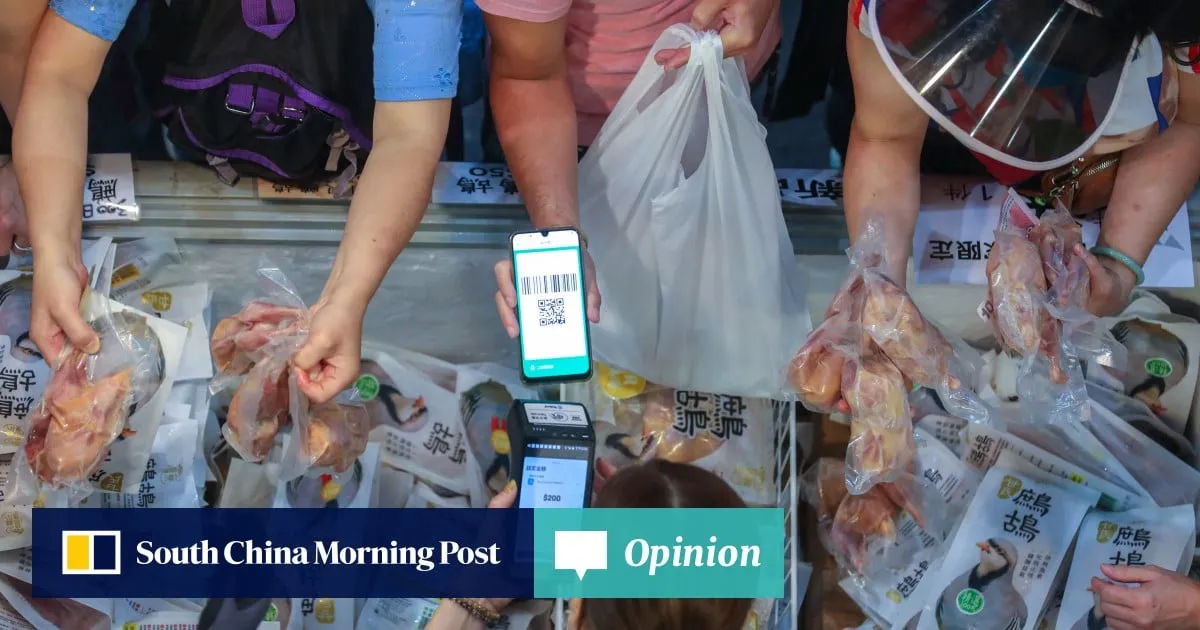
South China Morning PostFIG 01
Reading time
1min
Word count
189words
Sources cited
0cited
Entities identified
8entities
Quality score
100%
§ 01
Briefing Summary
AI-generatedNEWSAR · AI
In 2023, a tourist in Tsim Sha Tsui was refused service at a restaurant for attempting to pay with cash, as the establishment only accepted cards and electronic wallets. This incident sparked debate regarding the legality of refusing cash, given that Hong Kong currency is legal tender under local ordinances and the Basic Law. However, under common law principles prevalent in Hong Kong, freedom of contract allows businesses to set their own payment terms. Merchants can therefore make commercial decisions about which payment methods they accept, and neither the ordinances nor common law compel them to accept cash. This means that while cash is legal tender, businesses are not obligated to accept it in commercial transactions.
Confidence 0.90Claims 5Entities 8
§ 02
Article analysis
Model · rule-basedFraming
Legal & Judicial
Technology
Tone
Measured
AI-assessed
CalmNeutralAlarmist
Factuality
0.70 / 1.00
Factual
LowHigh
Sources cited
0
No named sources
FewMany
§ 03
Key claims
5 extracted01
The concept of legal tender is enshrined in the Basic Law (Article 111).
factual
Confidence
1.00
02
Hong Kong bank notes and coins constitute legal tender under the Legal Tender Notes Issue Ordinance and the Coinage Ordinance.
factual
Confidence
1.00
03
A tourist was refused cash payment at a Hong Kong restaurant in 2023, accepting only cards and electronic wallets.
factual
Confidence
1.00
04
Neither ordinances nor common law compel merchants to accept any particular form of payment.
factual
Confidence
0.90
05
In most common law jurisdictions, freedom of contract allows parties to agree on payment methods, overriding legal tender status.
factual
Confidence
0.90
§ 04
Full report
1 min read · 189 words§ 05
Entities
8 identifiedKey playerOppositionContextPositiveNeutralNegative
Organizations1
§ 06
Keywords & salience
8 termslegal tender
1.00
electronic payments
0.90
freedom of contract
0.80
cash payment
0.70
common law
0.60
payment methods
0.50
commercial transactions
0.50
hong kong
0.40
§ 07
Topic connections
Interactive graph Network visualization showing 51 related topics
View Full Graph Person Organization Location Event|Click node to navigate|Edge numbers = shared articles