
Basic Law
Organization PolicyHong Kong's mini-constitution defining its relationship with China under 'one country, two systems'.
Mentions:9
7 Days:1
About
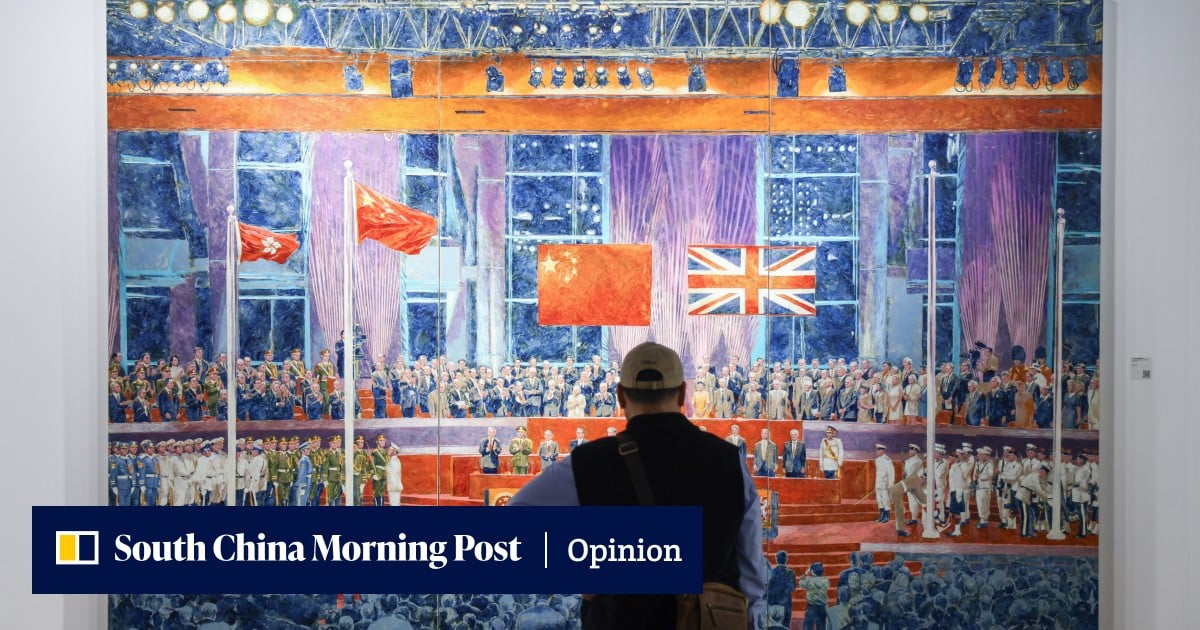
The Basic Law is Hong Kong's mini-constitution, established after the 1997 handover, outlining the 'one country, two systems' framework. It guarantees a high degree of autonomy, except in defense and foreign affairs. Recent news highlights its evolving interpretation and implementation. Amendments to national security laws, justified under the Basic Law, now allow police to demand device passwords and customs to seize items deemed seditious. China's white paper reaffirms the importance of safeguarding national security within this framework. Experts advocate for increased education on Chinese history and culture to foster national identity. The executive-led governance model, enshrined in the Basic Law, is being emphasized, with calls for greater public engagement. These developments raise concerns about the balance between autonomy and national security, and the future of Hong Kong's unique system.
Last updated: September 22, 2026
Recent Coverage

Tung Chee-hwa had a clear vision for Hong Kong
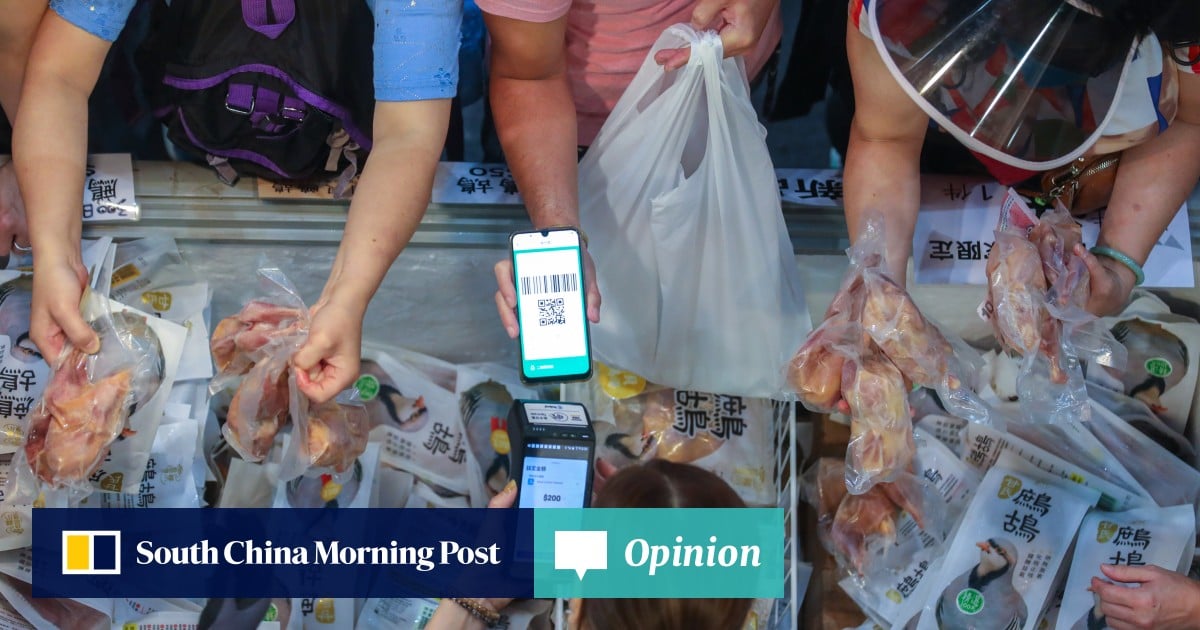
Legal tender and electronic payments – can we insist on paying in cash?
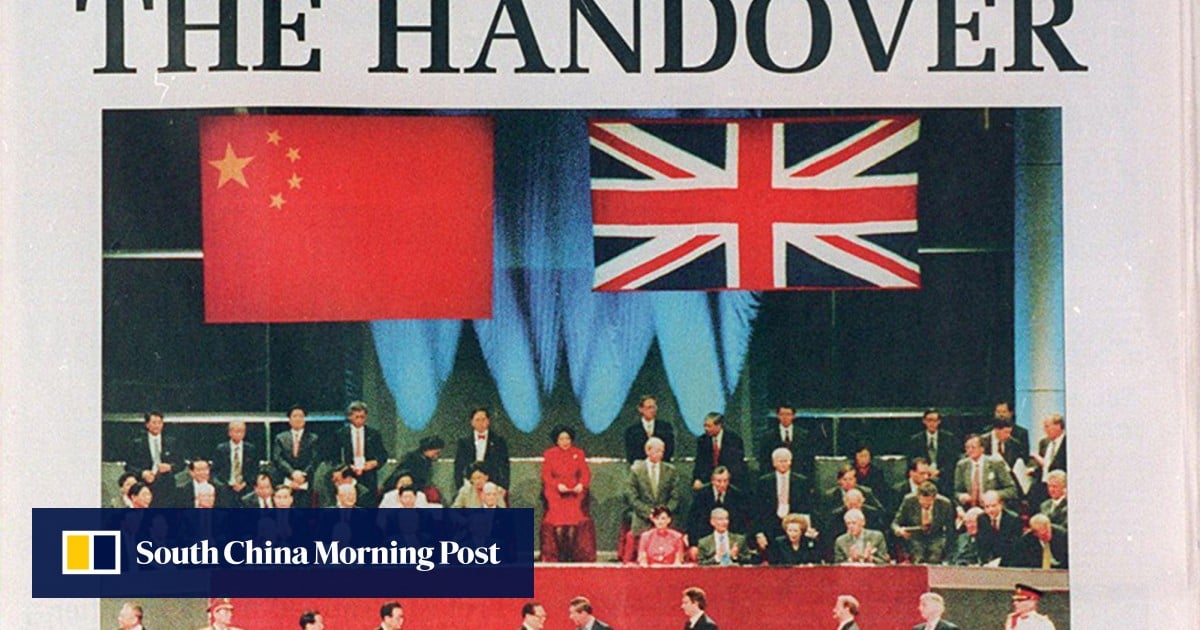
Hong Kong enters ‘new era’ as city returns to Chinese rule in 1997 – SCMP archive
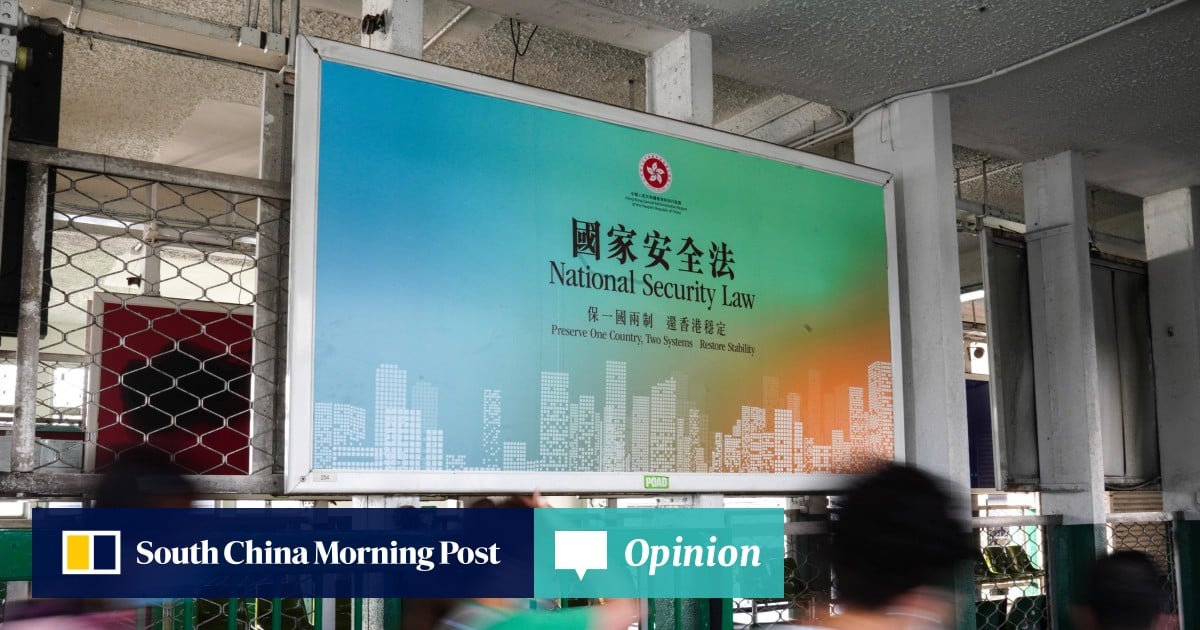
Power of Hong Kong’s new national security regulation must be exercised prudently
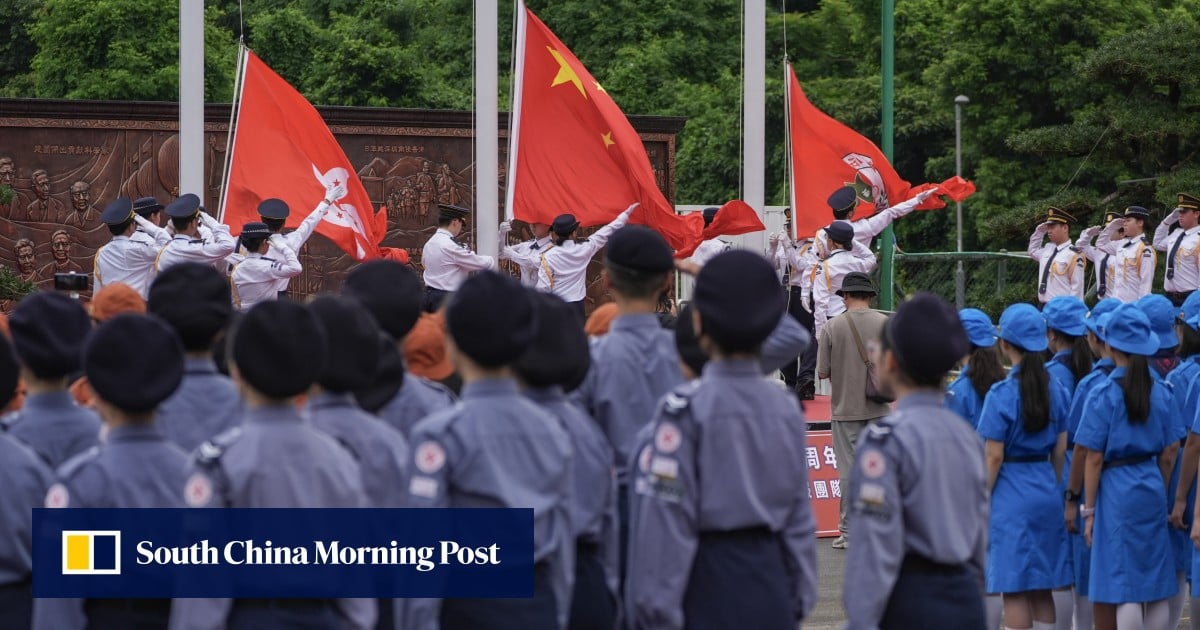
Hong Kong students as young as 6 should ‘feel proud to be Chinese’: learning guide

Hong Kong police can demand phone and computer passwords under amended national security law
How national security and ‘one country, two systems’ go hand in hand
How will Hong Kong follow mainland China’s ethnic unity promotion law?