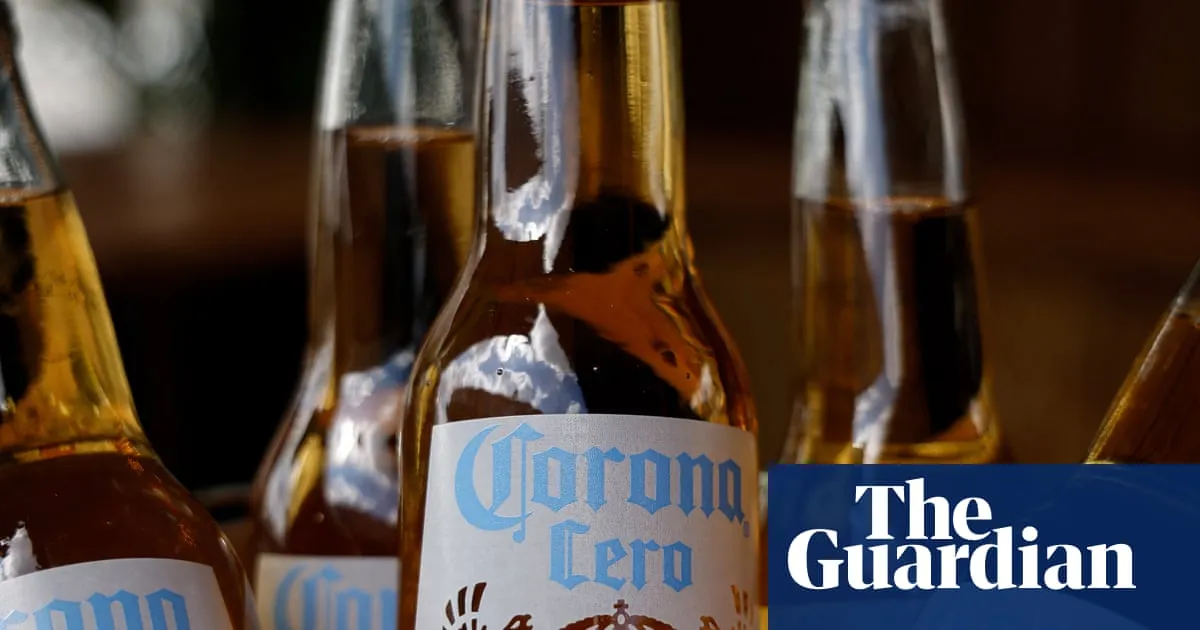
Pubs and brewers are being prevented from capitalising on Britons’ record-breaking thirst for alcohol-free beer because of over-strict regulation, a trade body has warned.More than 64m pints of low- and no-alcohol beer is forecast to be sold over the summer, an increase of 8m compared with 2025, the British Beer and Pub Association (BBPA) said, citing the figures as proof that the category is “not just a fad”.The trend comes amid lower rates of alcohol consumption among younger people and a more short-term trend towards moderation, with the UK in the grip of multiple prolonged heatwaves.However, the BBPA warned that further growth in “no and low” beer, a category sometimes known as “nolo”, could be curtailed by the UK’s definition of what constitutes alcohol-free beer.The current definition is an alcohol by volume content of 0.05% or lower, compared with many other countries where the threshold is 10 times higher, at 0.5%.Removing alcohol entirely from beer while retaining the drink’s signature flavour and aroma is extremely difficult.Typically, the beer is brewed in much the same way, before going through a process of dealcoholisation, through a variety of methods, including the use of pressure or heat.Various methods of dealcoholisation have disadvantages, such as removing flavour or increasing cost.Despite these difficulties, the BBPA said historic sales figures showed that no- and low-alcohol beer is the sector’s biggest growth category across the UK, with volume growth of 870% since 2013.While choice in non-alcoholic beers has increased dramatically over the past decade, brewers warned that the 0.5% watermark was constraining further investment.“When the sun is out and the football is on, people want to make the most of it, and alcohol-free beer matches the occasion,” said Luke Boase, the founder of Lucky Saint, which has experienced an increase in sales during the World Cup.skip past newsletter promotionafter newsletter promotion“We think the government updating the alcohol-free definition to 0.5% will get more people drinking alcohol-free in this country, which can only be a good thing.”Emma McClarkin, the chief executive of the BBPA, said: “We need government to keep the momentum going by changing the alcohol-free definition to 0.5%.“This will open the door to greater investment, keep us on par with international markets, and deliver even more options for people who choose to moderate – everyone wins.”
SRCThe Guardian - World News
LANGEN
LEANCenter-Left
WORDS380
ENT9
TUE · 2026-07-14 · 05:00 GMTBRIEF NSR-2026-0714-92841
NSR-2026-0714-92841News Report·EN·Economic Impact
UK’s alcohol-free beer boom threatened by regulations, trade body warns
The British Beer and Pub Association (BBPA) warns that current UK regulations are hindering the growth of the booming alcohol-free beer market. Despite forecasts of over 64 million pints being sold this summer, a significant increase, the BBPA argues that the definition of alcohol-free beer, set at 0.05% alcohol by volume (ABV), is too strict.
Rob DaviesThe Guardian - World NewsFiled 2026-07-14 · 05:00 GMTLean · Center-LeftRead · 2 min
The Guardian - World NewsFIG 01
Reading time
2min
Word count
380words
Sources cited
3cited
Entities identified
9entities
Quality score
100%
§ 01
Briefing Summary
AI-generatedNEWSAR · AI
The British Beer and Pub Association (BBPA) warns that current UK regulations are hindering the growth of the booming alcohol-free beer market. Despite forecasts of over 64 million pints being sold this summer, a significant increase, the BBPA argues that the definition of alcohol-free beer, set at 0.05% alcohol by volume (ABV), is too strict. This contrasts with many other countries where the threshold is 0.5% ABV. Brewers face challenges in removing alcohol while preserving flavor, and the BBPA believes a higher 0.5% ABV definition would encourage greater investment, align the UK with international standards, and offer more choices for consumers seeking to moderate their alcohol intake.
Confidence 0.90Sources 3Claims 5Entities 9
§ 02
Article analysis
Model · rule-basedFraming
Economic Impact
Legal & Judicial
Tone
Measured
AI-assessed
CalmNeutralAlarmist
Factuality
0.70 / 1.00
Factual
LowHigh
Sources cited
3
Well sourced
FewMany
§ 03
Key claims
5 extracted01
The UK's definition of alcohol-free beer (0.05% ABV or lower) is stricter than many other countries (0.5% ABV).
factualBritish Beer and Pub Association (BBPA)
Confidence
0.95
02
No- and low-alcohol beer has seen volume growth of 870% since 2013, making it the sector's biggest growth category.
statisticBritish Beer and Pub Association (BBPA)
Confidence
0.90
03
More than 64m pints of low- and no-alcohol beer are forecast to be sold over the summer, an increase of 8m compared with 2025.
statisticBritish Beer and Pub Association (BBPA)
Confidence
0.90
04
Removing alcohol entirely from beer while retaining flavour and aroma is extremely difficult.
factual
Confidence
0.85
05
Changing the alcohol-free definition to 0.5% will encourage more investment and provide more options for consumers.
predictionEmma McClarkin, chief executive of the BBPA
Confidence
0.70
§ 04
Full report
2 min read · 380 words§ 05
Entities
9 identifiedKey playerOppositionContextPositiveNeutralNegative
Locations1
§ 06
Keywords & salience
9 termsalcohol-free beer
1.00
regulation
0.90
trade body
0.80
bbpa
0.70
definition
0.70
growth category
0.60
moderation
0.50
dealcoholisation
0.50
investment
0.40
§ 07
Topic connections
Interactive graph No topic relationship data available yet. This graph will appear once topic relationships have been computed.