Authorities in Kashmir" class="entity-link entity-location" data-entity-id="43267" data-entity-type="location">Indian-administered Kashmir have issued a sweeping order to all educational institutions to review books for "inappropriate and objectionable" content, in a move that has sparked a debate over who gets to shape the region's history in classrooms.The order, issued last week, directs schools, colleges, universities and coaching centres to screen all published material on their premises - including research papers and academic theses - for content that could violate "religious sentiments, laws, educational values and established norms". They must also report books deemed objectionable to the authorities.Authorities insist the directive is not about restricting reading but removing material they say is factually inaccurate or unlawful, including content that "promotes, glorifies, legitimises or justifies terrorism, violent extremism, secessionism, radicalisation" or any activity prejudicial to the security of the nation.But opposition parties, academics and students say the move is an attack on academic freedom and an attempt to erase Kashmir's turbulent history.Kashmir, which neighbours India and Pakistan claim in full but only control in parts, has witnessed decades of conflict. From the late 1980s, the Indian-administered side also saw a separatist insurgency against Delhi's rule, which India alleges was supported by Pakistan - a charge Islamabad denies.Since Delhi revoked the region's semi-autonomous status in 2019 and brought it under direct federal rule, critics say civil liberties have narrowed and state control has expanded, despite the restoration of an elected local government.Getty ImagesKashmir still has a vast presence of security personnelThe order follows recent protests by the Bharatiya Janata Party (BJP), which governs nationally but is in opposition in Kashmir" class="entity-link entity-location" data-entity-id="166003" data-entity-type="location">Jammu and Kashmir, over two government school library books it said glorified separatist leaders and promoted anti-national sentiments.
SRCBBC News - World
LANGEN
LEANCenter
WORDS276
ENT12
WED · 2026-07-15 · 22:05 GMTBRIEF NSR-2026-0716-93413
NSR-2026-0716-93413News Report·EN·Human Rights
Crackdown on 'objectionable' books in Indian-administered Kashmir sparks row
Authorities in Indian-administered Kashmir have ordered all educational institutions to review books for "inappropriate and objectionable" content. The directive, issued last week, requires schools, colleges, universities, and coaching centers to screen all published materials, including research papers and theses, for content that could violate religious sentiments, laws, educational values, or established norms.
8 hours agoShareSaveAdd as preferred on GoogleCherylann Mollan and Auqib JaveedMumbai and SrinagarBBC News - WorldFiled 2026-07-15 · 22:05 GMTLean · CenterRead · 2 min
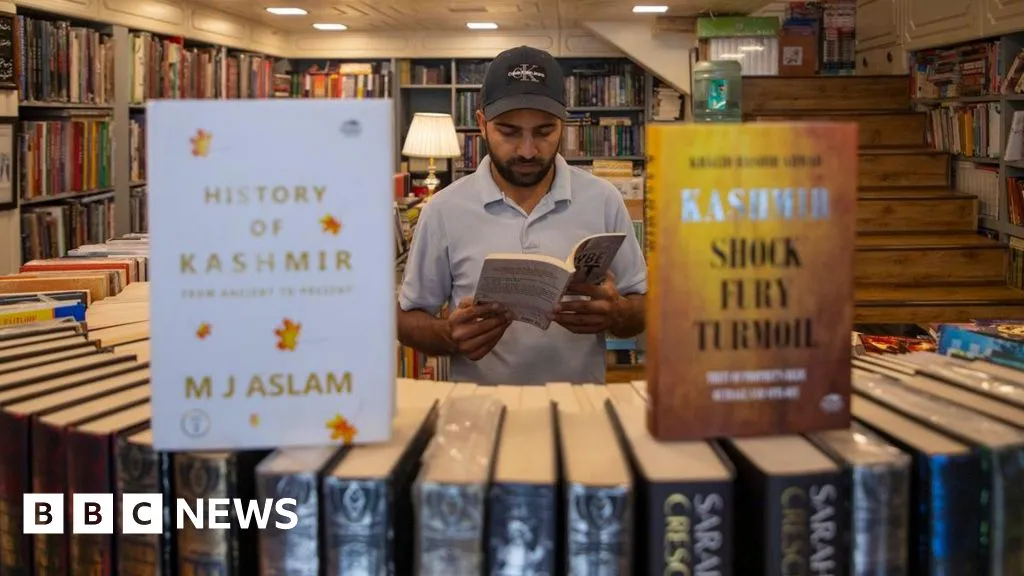
BBC News - WorldFIG 01
Reading time
2min
Word count
276words
Sources cited
3cited
Entities identified
12entities
Quality score
100%
§ 01
Briefing Summary
AI-generatedNEWSAR · AI
Authorities in Indian-administered Kashmir have ordered all educational institutions to review books for "inappropriate and objectionable" content. The directive, issued last week, requires schools, colleges, universities, and coaching centers to screen all published materials, including research papers and theses, for content that could violate religious sentiments, laws, educational values, or established norms. Institutions must report any deemed objectionable to the authorities. Officials state the aim is to remove factually inaccurate or unlawful material, such as content promoting terrorism or secessionism, not to restrict reading. However, opposition parties, academics, and students view the move as an attack on academic freedom and an attempt to alter the region's history. This order follows protests by the ruling Bharatiya Janata Party against two government school library books.
Confidence 0.90Sources 3Claims 5Entities 12
§ 02
Article analysis
Model · rule-basedFraming
Human Rights
Political Strategy
Tone
Mixed Tone
AI-assessed
CalmNeutralAlarmist
Factuality
0.60 / 1.00
Mixed
LowHigh
Sources cited
3
Well sourced
FewMany
§ 03
Key claims
5 extracted01
Opposition parties, academics, and students view the move as an attack on academic freedom and an attempt to erase Kashmir's history.
factualOpposition parties, academics, and students
Confidence
1.00
02
Authorities claim the directive aims to remove factually inaccurate or unlawful material, including content promoting terrorism, extremism, secessionism, or radicalization.
factualAuthorities
Confidence
1.00
03
The directive requires screening of all published material, including research papers and theses, for content violating religious sentiments, laws, educational values, and established norms.
factualAuthorities
Confidence
1.00
04
Authorities in Indian-administered Kashmir ordered educational institutions to review books for 'inappropriate and objectionable' content.
factualAuthorities
Confidence
1.00
05
Critics argue civil liberties have narrowed and state control has expanded since Delhi revoked the region's semi-autonomous status in 2019.
factualCritics
Confidence
0.90
§ 04
Full report
2 min read · 276 words§ 05
Entities
12 identifiedKey playerOppositionContextPositiveNeutralNegative
Organizations1
Locations5
§ 06
Keywords & salience
10 termsacademic freedom
0.90
kashmir
0.80
book review
0.70
objectionable content
0.70
religious sentiments
0.60
historical narrative
0.60
separatist insurgency
0.50
state control
0.50
bharatiya janata party
0.40
civil liberties
0.40
§ 07
Topic connections
Interactive graph Network visualization showing 6 related topics
View Full Graph Person Organization Location Event|Click node to navigate|Edge numbers = shared articles