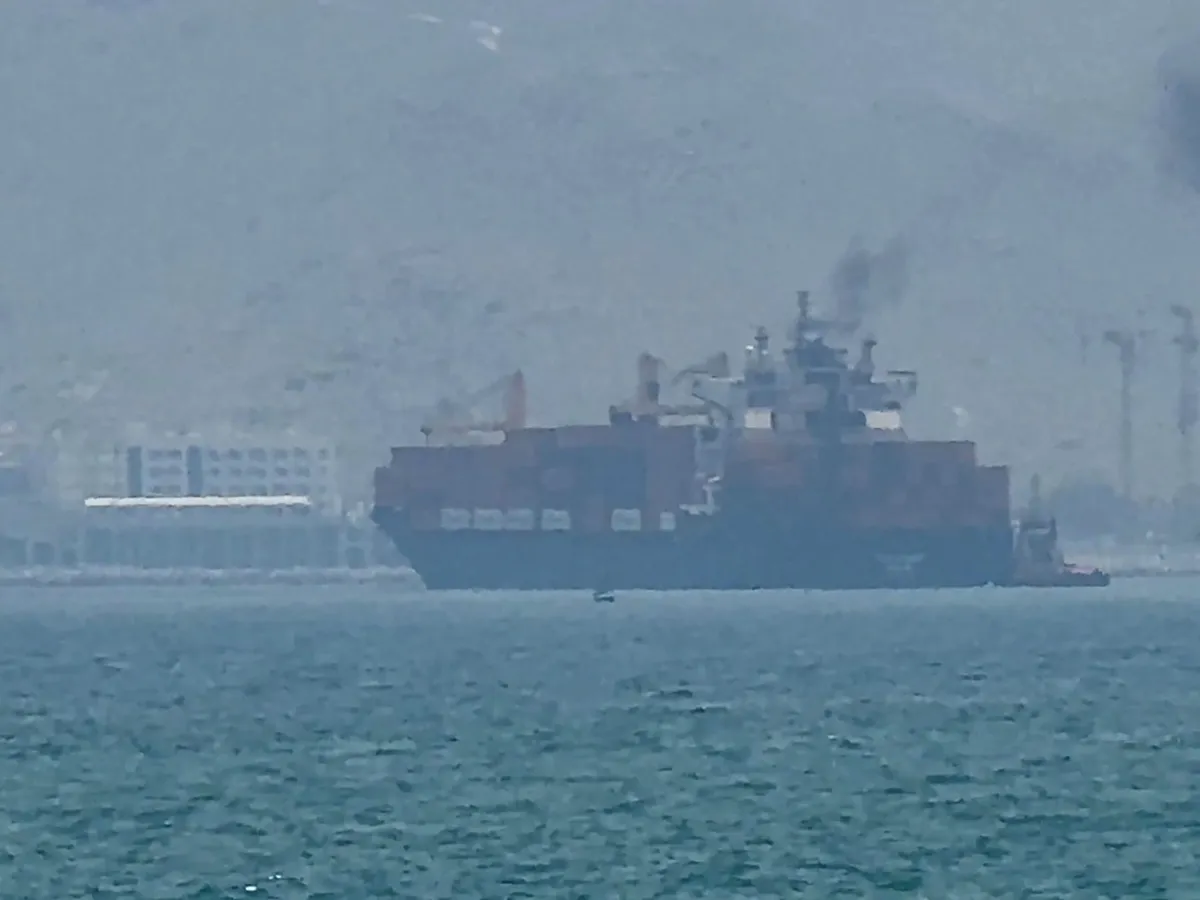
Its promise of safe passage settled neither who governs the strait nor on what terms, making renewed escalation the memorandum’s logical outcome.Chair of Maritime Law at City St Georges, University of London.Published On 16 Jul 2026Barely three weeks into a Memorandum of Understanding (MoU) meant to end a war, the United States is once again blockading Iranian ports, the two states are trading strikes on bases and military assets across the Gulf, and Mr Trump has floated the idea of charging shipping a 20 percent levy, or “protection money” in less polite language, for the security of the Strait of Hormuz. I would argue, however, that this is not so much the collapse of the June deal, as many are saying, as its logical conclusion. The clause on which global oil traffic depends was written to be signed, not to be operated, and the water is now exposing the difference.Article 5 of the MoU promises “safe passage of commercial vessels” through the strait. It is an elegant phrase. It is also, as a matter of Maritime Law, almost empty, and that emptiness is less an accident of drafting than the price of agreement. Iran and Washington could sign because the words commit each side to very little and permit each to believe very different things. That is precisely why the arrangement is unravelling faster than even the pessimists expected.Consider what “safe passage” leaves unanswered. It does not say who administers it. Article 5 tasks Iran with making “arrangements using its best efforts”, then sends Tehran off to hold a “dialogue” with Oman and “discussions” with the other Gulf states to define “the future administration and maritime services” of the strait. The US, the world’s pre-eminent naval power and the historical guarantor of navigational freedom, is not a party to those talks. Nor is the arrangement conditioned on the parties reaching any agreement. Iran is therefore free to argue that, once it has talked, it may unilaterally announce a new regime: Prior notification, designated Iranian corridors and charges dressed up as fees for “security, safety and environmental services”. Reports since the signing put the revenue Tehran imagines at tens of billions of dollars a year. An arrangement meant to reopen the strait has instead handed one coastal state a colourable claim to metre it.
SRCAl Jazeera
LANGEN
LEANCenter
WORDS383
ENT10
THU · 2026-07-16 · 10:27 GMTBRIEF NSR-2026-0716-93481
NSR-2026-0716-93481Analysis·EN·Conflict
‘Safe passage’: The fatal ambiguity at the heart of the Hormuz MoU
A recent memorandum of understanding (MoU) between the US and Iran, intended to ensure "safe passage" through the Strait of Hormuz, has led to renewed escalation. The article argues this is a logical outcome of the MoU's vague language, particularly Article 5, which promises safe passage for commercial vessels.
Jason ChuahAl JazeeraFiled 2026-07-16 · 10:27 GMTLean · CenterRead · 2 min
Al JazeeraFIG 01
Reading time
2min
Word count
383words
Sources cited
1cited
Entities identified
10entities
Quality score
100%
§ 01
Briefing Summary
AI-generatedNEWSAR · AI
A recent memorandum of understanding (MoU) between the US and Iran, intended to ensure "safe passage" through the Strait of Hormuz, has led to renewed escalation. The article argues this is a logical outcome of the MoU's vague language, particularly Article 5, which promises safe passage for commercial vessels. This clause fails to define who governs the strait or the terms of passage, allowing both Iran and the US to interpret it differently. Iran is tasked with making arrangements and engaging in dialogue with Oman and other Gulf states regarding future administration and services, but the US is not a party to these talks. This ambiguity allows Iran to potentially claim the right to unilaterally announce a new regime for the strait, including charges for security and services, which could generate significant revenue.
Confidence 0.90Sources 1Claims 5Entities 10
§ 02
Article analysis
Model · rule-basedFraming
Conflict
Diplomatic
Tone
Mixed Tone
AI-assessed
CalmNeutralAlarmist
Factuality
0.40 / 1.00
Mixed
LowHigh
Sources cited
1
Limited
FewMany
§ 03
Key claims
5 extracted01
Article 5 of the MoU promises 'safe passage of commercial vessels' but is legally vague.
factual
Confidence
0.95
02
The US is not a party to the talks regarding the future administration and maritime services of the strait.
factual
Confidence
0.90
03
The MoU's promise of 'safe passage' is ambiguous and has led to renewed escalation.
prediction
Confidence
0.90
04
Iran may unilaterally announce a new regime for the Strait of Hormuz, including charges.
prediction
Confidence
0.85
05
Reports suggest Iran imagines tens of billions of dollars a year in revenue from new charges.
statistic
Confidence
0.70
§ 04
Full report
2 min read · 383 words§ 05
Entities
10 identifiedKey playerOppositionContextPositiveNeutralNegative
Organizations1
Locations4
Events1
§ 06
Keywords & salience
10 termssafe passage
1.00
strait of hormuz
1.00
maritime law
0.90
memorandum of understanding
0.80
iran
0.70
united states
0.70
escalation
0.60
navigational freedom
0.50
gulf states
0.40
oil traffic
0.40
§ 07
Topic connections
Interactive graph Network visualization showing 12 related topics
View Full Graph Person Organization Location Event|Click node to navigate|Edge numbers = shared articles