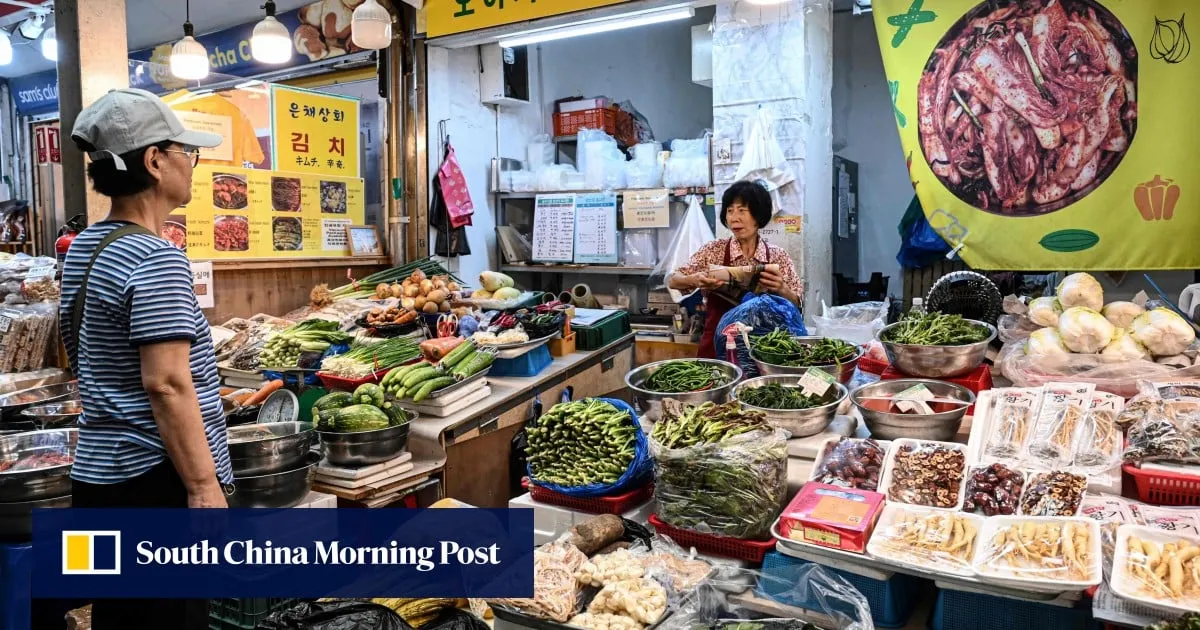
South Korean food exporters are no longer treating Vietnam as just another market for kimchi, instant noodles and premium fruit.As Southeast Asia emerges as one of South Korea’s most important trading regions, Seoul is positioning Vietnam as a logistics and distribution base for a wider push to turn the popularity of Korean culture into sustained demand for Korean food across the region.But analysts said the strategy would depend on more than Hallyu-driven curiosity, with exporters needing to pair cultural appeal with cold-chain reliability, local adaptation and a clearer premium proposition for increasingly selective Southeast Asian consumers.
SRCSouth China Morning Post
LANGEN
LEANCenter-Right
WORDS96
ENT9
FRI · 2026-07-17 · 03:00 GMTBRIEF NSR-2026-0717-93680
NSR-2026-0717-93680News Report·EN·Economic Impact
‘Gateway to Asean’: South Korea bets on Vietnam hub for food expansion
South Korea is strategically positioning Vietnam as a logistics and distribution hub to expand its food exports across Southeast Asia. Previously viewed as a direct market for products like kimchi and instant noodles, Vietnam is now intended to serve as a base for a broader regional push.
Sam BeltranSouth China Morning PostFiled 2026-07-17 · 03:00 GMTLean · Center-RightRead · 1 min
South China Morning PostFIG 01
Reading time
1min
Word count
96words
Sources cited
1cited
Entities identified
9entities
Quality score
100%
§ 01
Briefing Summary
AI-generatedNEWSAR · AI
South Korea is strategically positioning Vietnam as a logistics and distribution hub to expand its food exports across Southeast Asia. Previously viewed as a direct market for products like kimchi and instant noodles, Vietnam is now intended to serve as a base for a broader regional push. This initiative aims to leverage the popularity of Korean culture, known as Hallyu, to create sustained demand for Korean food throughout Southeast Asia. Analysts suggest that for this strategy to succeed, South Korean exporters must go beyond cultural appeal. They will need to ensure cold-chain reliability, adapt products to local tastes, and clearly define a premium offering to meet the expectations of discerning consumers in the region.
Confidence 0.85Sources 1Claims 4Entities 9
§ 02
Article analysis
Model · rule-basedFraming
Economic Impact
Political Strategy
Tone
Measured
AI-assessed
CalmNeutralAlarmist
Factuality
0.70 / 1.00
Factual
LowHigh
Sources cited
1
Limited
FewMany
§ 03
Key claims
4 extracted01
South Korean food exporters are no longer treating Vietnam as just another market for specific products like kimchi and instant noodles.
factual
Confidence
0.90
02
Southeast Asia is emerging as one of South Korea’s most important trading regions.
factual
Confidence
0.90
03
South Korea is positioning Vietnam as a logistics and distribution base for a wider push to expand Korean food demand across Southeast Asia.
factual
Confidence
0.90
04
South Korean food exporters need to pair cultural appeal with cold-chain reliability, local adaptation, and a clearer premium proposition for Southeast Asian consumers.
quoteanalysts
Confidence
0.80
§ 04
Full report
1 min read · 96 words§ 05
Entities
9 identifiedKey playerOppositionContextPositiveNeutralNegative
Organizations1
Locations3
§ 06
Keywords & salience
8 termssouth korea food expansion
1.00
vietnam hub
0.90
asean market
0.80
korean culture
0.70
food exporters
0.60
logistics and distribution
0.50
cold-chain reliability
0.40
local adaptation
0.40
§ 07
Topic connections
Interactive graph Network visualization showing 51 related topics
View Full Graph Person Organization Location Event|Click node to navigate|Edge numbers = shared articles