"This is a very worrying moment... We are not seeing cash return to the banking system through cash collection, ATMs or self-service terminals," said Skvortsov, in comments cited by state news agency Interfax. "It is staying in people's hands".About 6% of entrepreneurs said they had turned to "grey schemes" to cope with the new tax burden, including avoiding cash-register receipts, according to a May survey by Russia's largest SME association, Russia" class="entity-link entity-organization" data-entity-id="167437" data-entity-type="organization">Opora Russia.Cash payments help businesses understate turnover to stay below the VAT threshold, while cash wages help them avoid payroll taxes.Cracking down on the shadow economy has become a key goal for the Kremlin. Before the VAT rise took effect, Putin warned the new rules must not push firms into the shadows and called for a "radical reduction in illegal employment"."One arm of the government is trying to squeeze as much money as possible out of people through higher taxes, fines and other charges," Alexander Kolyandr, a non-resident senior fellow at the Center for European Policy Analysis, told the BBC."But another, in trying to counter so-called terrorist threats, is undermining that strategy by making it harder to collect tax," he said, referring to the mobile internet shutdowns.The Soviet-era instinct to keep money "under the mattress" is making a comeback despite double-digit returns on bank deposits, which have been kept high as the central bank battles stubborn, war-fuelled inflation.
SRCBBC News - World
LANGEN
LEANCenter
WORDS228
ENT12
SAT · 2026-07-18 · 23:59 GMTBRIEF NSR-2026-0719-94082
NSR-2026-0719-94082News Report·EN·Economic Impact
Russians turn to cash, putting more strain on slowing wartime economy
Russians are increasingly turning to cash, with money staying in people's hands rather than returning to the banking system, according to a banking official. This trend is exacerbated by a new tax burden, leading approximately 6% of entrepreneurs to engage in "grey schemes" like avoiding cash-register receipts and paying wages in cash to evade payroll taxes.
2 hours agoShareSaveAdd as preferred on GoogleEvgeny PudovkinandDaria Mosolova,BBC MonitoringBBC News - WorldFiled 2026-07-18 · 23:59 GMTLean · CenterRead · 1 min
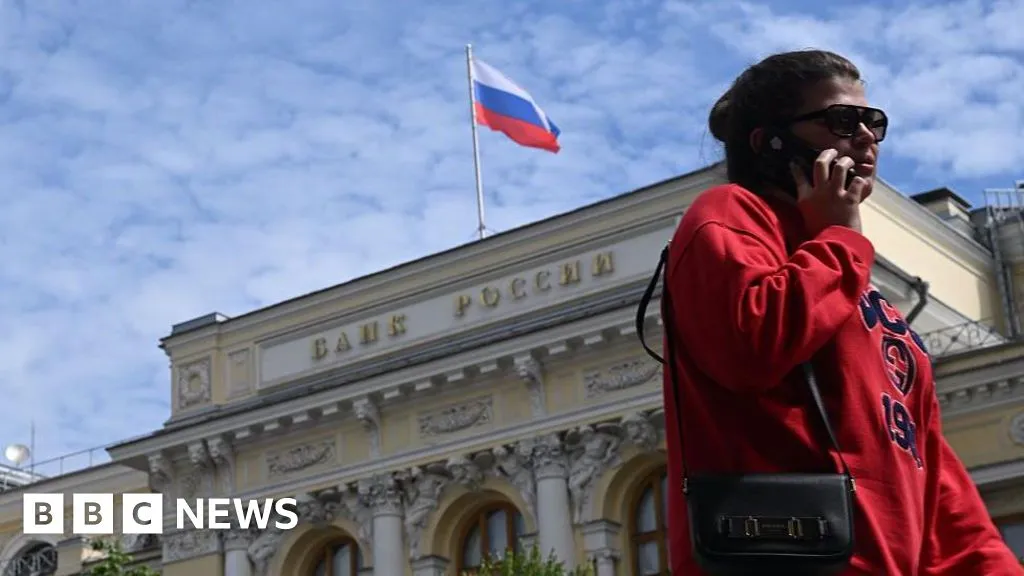
BBC News - WorldFIG 01
Reading time
1min
Word count
228words
Sources cited
3cited
Entities identified
12entities
Quality score
100%
§ 01
Briefing Summary
AI-generatedNEWSAR · AI
Russians are increasingly turning to cash, with money staying in people's hands rather than returning to the banking system, according to a banking official. This trend is exacerbated by a new tax burden, leading approximately 6% of entrepreneurs to engage in "grey schemes" like avoiding cash-register receipts and paying wages in cash to evade payroll taxes. These actions aim to understate turnover and remain below VAT thresholds. The Kremlin's goal to crack down on the shadow economy is being undermined by mobile internet shutdowns, which hinder tax collection efforts. This shift towards cash reflects a resurgence of the "under the mattress" instinct, despite high bank deposit returns offered to combat inflation.
Confidence 0.90Sources 3Claims 5Entities 12
§ 02
Article analysis
Model · rule-basedFraming
Economic Impact
Political Strategy
Tone
Measured
AI-assessed
CalmNeutralAlarmist
Factuality
0.70 / 1.00
Factual
LowHigh
Sources cited
3
Well sourced
FewMany
§ 03
Key claims
5 extracted01
Cash payments help businesses understate turnover to stay below the VAT threshold and avoid payroll taxes.
factual
Confidence
0.95
02
Cracking down on the shadow economy is a key goal for the Kremlin.
factual
Confidence
0.90
03
Russians are increasingly turning to cash, with money not returning to the banking system.
quoteSkvortsov (cited by Interfax)
Confidence
0.90
04
About 6% of entrepreneurs reported using 'grey schemes' like avoiding cash-register receipts due to new tax burdens.
statisticOpora Russia survey
Confidence
0.85
05
Mobile internet shutdowns by one government arm undermine tax collection efforts by another.
quoteAlexander Kolyandr
Confidence
0.80
§ 04
Full report
1 min read · 228 words§ 05
Entities
12 identifiedKey playerOppositionContextPositiveNeutralNegative
Organizations4
§ 06
Keywords & salience
9 termscash payments
1.00
shadow economy
1.00
wartime economy
0.90
tax burden
0.80
inflation
0.70
vat threshold
0.60
grey schemes
0.50
illegal employment
0.50
bank deposits
0.40
§ 07
Topic connections
Interactive graph Network visualization showing 51 related topics
View Full Graph Person Organization Location Event|Click node to navigate|Edge numbers = shared articles