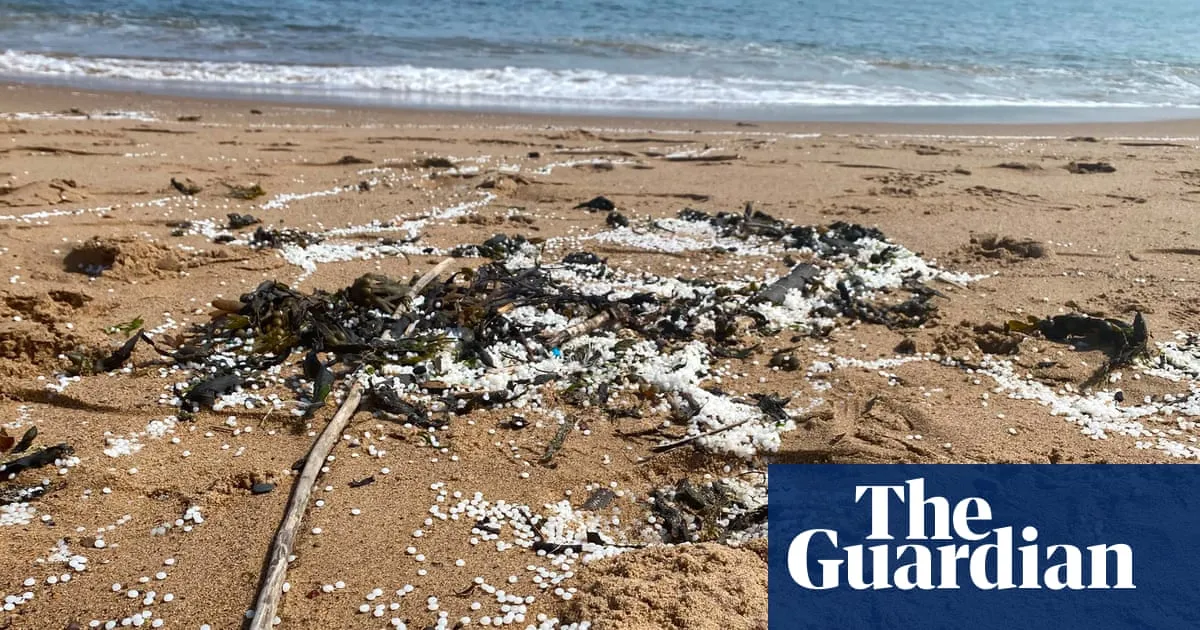
Approximately a billion tiny plastic nurdles have entered the River Tyne after a “devastating spill”, with the pellets thought to have spread much further than first thought.Nurdles, which are usually 1mm-5mm in size, act as the raw material to manufacture most plastic products.On Sunday, the Wind Orca ship collided with the berthed container ship BG Orange at the Port of Tyne, causing damage to a dockside crane and injuring one person.The collision caused up to 25 tonnes of nurdles – about a billion in total, according to environmental charity Fidra – to enter the water, said South Tyneside council.After nurdles were found washed up on South Shields beach, the council warned residents to avoid handling the pellets and to keep dogs on leads.The pellets themselves are not toxic. But once in the environment, they are almost impossible to remove and can absorb toxins present in the water.Animals can easily mistake the nurdles for food. They have been found in the stomachs and digestive tracts of a variety of species, from seabirds in the North Sea and Australia to green turtles and fish off the coasts of Brazil.The spill is less than three miles away from Marsden Bay, which is home to one of England’s most important seabird colonies.One local resident, Alistair Leadbetter, told the Guardian he was “really shocked” at how many nurdles he saw and said they covered the whole stretch of the South Shields beach. He said he saw children playing on the beach among the pellets.Once nurdles are lost to the environment they can easily be washed, swept or blown vast distances and can accumulate on beaches worldwide. Last year, Fidra found plastic nurdles at 84% of UK sites of special scientific interest.Fidra’s nurdle map, which tracks global nurdle pollution, indicates the pellets may have already spread much further than first thought, with sightings reported as far south as Sunderland, about seven miles from South Shields.HM Coastguard said it is supporting local authorities in the initial response to the pollution along the North Tyneside coastline, including at Tynemouth Longsands, Cullercoats and King Edward’s Bay.Nurdles are tiny pellets, usually about 1mm-5mm in size, that act as the raw material to manufacture most plastic products. Photograph: Martin Bernetti/AFP/Getty ImagesHeather McFarlane, senior project manager at Fidra, said it is “devastating to see another plastic pellet spill”.skip past newsletter promotionafter newsletter promotionShe said most pellet pollution can be prevented with simple measures such as better packaging and safer stowage.“We urgently need stronger UK regulation to prevent pollution on land and mandatory measures at sea to stop spills like this in the future,” she said.A spokesperson for South Tyneside council said it is now assessing the extent of the contamination and supporting efforts to remove pellets from affected areas where appropriate.“The council will look to recover the costs of the clean-up from the insurers of those responsible,” they said.An Environment Agency spokesperson said its officers are “working with local authorities and other partners, providing expert advice to support in the early stages of the clean-up operation”.The Guardian has contacted the Port of Tyne and the owners of the Wind Orca for comment.
SRCThe Guardian - World News
LANGEN
LEANCenter-Left
WORDS520
ENT12
WED · 2026-07-22 · 15:34 GMTBRIEF NSR-2026-0722-95095
NSR-2026-0722-95095News Report·EN·Environmental
Billion plastic pellets spilled into UK river after two ships collide
Approximately one billion plastic nurdles, the raw material for plastic manufacturing, were spilled into the River Tyne on Sunday following a collision between two ships, the Wind Orca and the berthed container ship BG Orange, at the Port of Tyne. Up to 25 tonnes of these tiny pellets, measuring 1-5mm, entered the water, causing damage to a dockside crane and injuring one person.
Pippa Neill Environment reporterThe Guardian - World NewsFiled 2026-07-22 · 15:34 GMTLean · Center-LeftRead · 3 min
The Guardian - World NewsFIG 01
Reading time
3min
Word count
520words
Sources cited
4cited
Entities identified
12entities
Quality score
100%
§ 01
Briefing Summary
AI-generatedNEWSAR · AI
Approximately one billion plastic nurdles, the raw material for plastic manufacturing, were spilled into the River Tyne on Sunday following a collision between two ships, the Wind Orca and the berthed container ship BG Orange, at the Port of Tyne. Up to 25 tonnes of these tiny pellets, measuring 1-5mm, entered the water, causing damage to a dockside crane and injuring one person. The nurdles are thought to have spread further than initially believed, with sightings reported as far south as Sunderland. While not toxic themselves, nurdles can absorb toxins and are mistaken for food by animals, posing a significant environmental threat. Environmental charity Fidra has called for stronger UK regulation to prevent future spills. South Tyneside council is assessing the contamination and plans to recover clean-up costs from the responsible parties.
Confidence 0.90Sources 4Claims 5Entities 12
§ 02
Article analysis
Model · rule-basedFraming
Environmental
Human Interest
Tone
Mixed Tone
AI-assessed
CalmNeutralAlarmist
Factuality
0.80 / 1.00
Factual
LowHigh
Sources cited
4
Well sourced
FewMany
§ 03
Key claims
5 extracted01
Stronger UK regulation and mandatory measures at sea are needed to prevent future spills.
quoteHeather McFarlane (Fidra)
Confidence
1.00
02
Fidra found plastic nurdles at 84% of UK sites of special scientific interest last year.
statisticFidra
Confidence
1.00
03
Nurdles are not toxic but can absorb toxins and are mistaken for food by animals.
factualarticle
Confidence
1.00
04
The collision caused up to 25 tonnes of nurdles to enter the water.
statisticSouth Tyneside council
Confidence
1.00
05
Approximately a billion tiny plastic nurdles have entered the River Tyne after a collision between two ships.
factualarticle
Confidence
1.00
§ 04
Full report
3 min read · 520 words§ 05
Entities
12 identifiedKey playerOppositionContextPositiveNeutralNegative
Organizations4
§ 06
Keywords & salience
10 termsnurdles
1.00
plastic pellets
1.00
river tyne
0.90
ship collision
0.80
plastic pollution
0.80
environmental impact
0.70
marine life
0.60
raw material
0.50
south shields beach
0.40
fidra
0.40
§ 07
Topic connections
Interactive graph No topic relationship data available yet. This graph will appear once topic relationships have been computed.