A Japanese study has found that the locked zone in the Nankai Trough is not permanent but changes over time, further complicating the task of predicting megaquakes along the fault line.A locked zone is where tectonic plates merge, allowing stress to build up until it is released in an earthquake. In the case of the 900km (560-mile) long Nankai Trough off Japan’s Pacific coast, it is where the Philippine plate meets the Eurasian plate.The Philippine plate is slipping under the Eurasian plate at a rate of 4-6cm (1.6-2.4 inches) a year, according to a report of the study by The Mainichi newspaper.
SRCSouth China Morning Post
LANGEN
LEANCenter-Right
WORDS102
ENT8
THU · 2026-07-23 · 07:46 GMTBRIEF NSR-2026-0723-95251
NSR-2026-0723-95251News Report·EN·Public Health
Japan’s deadliest fault line shifts, frustrating megaquake forecasts
A recent Japanese study has revealed that the locked zone along the Nankai Trough, a major fault line off Japan's Pacific coast, is not static but changes over time. This discovery complicates efforts to predict megaquakes in the region.
SCMP’s Asia deskSouth China Morning PostFiled 2026-07-23 · 07:46 GMTLean · Center-RightRead · 1 min
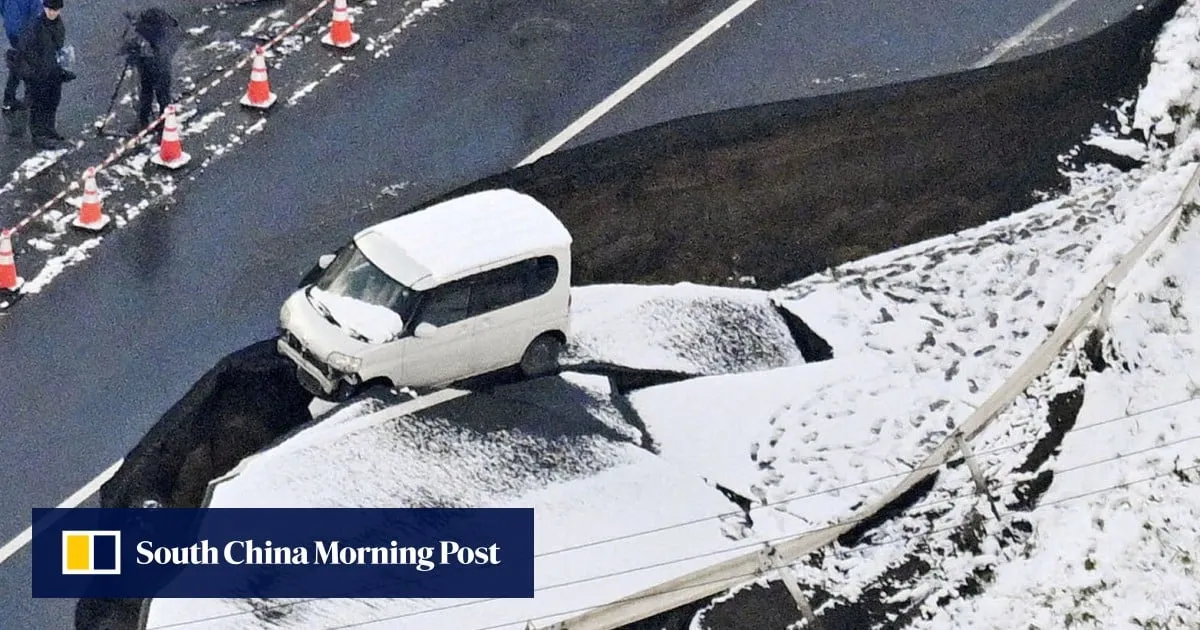
South China Morning PostFIG 01
Reading time
1min
Word count
102words
Sources cited
1cited
Entities identified
8entities
Quality score
100%
§ 01
Briefing Summary
AI-generatedNEWSAR · AI
A recent Japanese study has revealed that the locked zone along the Nankai Trough, a major fault line off Japan's Pacific coast, is not static but changes over time. This discovery complicates efforts to predict megaquakes in the region. The Nankai Trough is where the Philippine plate subducts beneath the Eurasian plate, with the Philippine plate moving at a rate of 4-6 cm per year. Locked zones are areas where tectonic plates merge, allowing stress to accumulate before being released as an earthquake. The dynamic nature of these locked zones presents a significant challenge for forecasting seismic events.
Confidence 0.85Sources 1Claims 4Entities 8
§ 02
Article analysis
Model · rule-basedFraming
Public Health
Tone
Measured
AI-assessed
CalmNeutralAlarmist
Factuality
0.90 / 1.00
Factual
LowHigh
Sources cited
1
Limited
FewMany
§ 03
Key claims
4 extracted01
The Nankai Trough is where the Philippine plate meets the Eurasian plate.
factual
Confidence
1.00
02
The changing locked zone complicates megaquake prediction along the Nankai Trough fault line.
factual
Confidence
0.95
03
The Philippine plate slips under the Eurasian plate at a rate of 4-6cm a year.
statisticThe Mainichi newspaper report
Confidence
0.90
04
A Japanese study found the locked zone in the Nankai Trough is not permanent and changes over time.
factualJapanese study
Confidence
0.90
§ 04
Full report
1 min read · 102 words§ 05
Entities
8 identifiedKey playerOppositionContextPositiveNeutralNegative
Organizations1
Locations4
Events1
§ 06
Keywords & salience
9 termsnankai trough
1.00
megaquake forecasts
0.90
fault line
0.80
locked zone
0.70
tectonic plates
0.70
philippine plate
0.60
eurasian plate
0.60
earthquake prediction
0.50
plate tectonics
0.40
§ 07
Topic connections
Interactive graph No topic relationship data available yet. This graph will appear once topic relationships have been computed.