The future of diplomacy between the US and Iran depends on giving trusted mediators the backing needed to make agreements stick.Professor of Public Policy, Hamad Bin Khalifa University; Senior Associate Fellow, RUSI; and Distinguished Visiting Professor, University of Johannesburg.Published On 23 Jul 2026The memorandum of understanding (MoU) between the United States and Iran, signed on June 17, briefly appeared to have achieved what weeks of military confrontation had not. It extended the ceasefire, reopened a path back to negotiations and offered the prospect of restoring stability to one of the world’s most strategically important regions.The early indicators were encouraging. Commercial shipping through the Strait of Hormuz, which carries roughly a fifth of global oil trade, began to recover. Oil flows rose markedly, while Iranian exports more than doubled from their wartime low under a temporary sanctions waiver. About 340 commercial vessels passed through the Strait during the week of 22–28 June, making it the busiest period since hostilities began on February 28. For a brief moment, diplomacy appeared to be succeeding.Within weeks, however, ships were disappearing from the strait again, military exchanges had resumed and mediators were seeking another temporary truce, simply to rescue the original agreement. What had looked like a diplomatic breakthrough rapidly became another fragile ceasefire. Its rapid unravelling exposed the missing half of the mediation process: the parties had agreed on a political text, but not on the mechanisms needed to implement it, while the states that brokered the agreement lacked the leverage to make it stick.Part of the problem was that the signing of the agreement had been treated as the culmination of mediation rather than the beginning of its most demanding phase. The US and the mediators appear to have focused on securing a mutually acceptable political text. Success was measured by signatures and public declarations, with too little attention paid to the challenges that inevitably arise once governments, militaries, regulators, banks, insurers, shipping companies and regional allies begin to put an agreement into practice. Questions of interpretation, sequencing, verification, dispute resolution and confidence-building were largely deferred rather than resolved.
SRCAl Jazeera
LANGEN
LEANCenter
WORDS346
ENT12
THU · 2026-07-23 · 16:08 GMTBRIEF NSR-2026-0723-95428
NSR-2026-0723-95428Analysis·EN·Diplomatic
The missing half of mediation
A recent memorandum of understanding between the United States and Iran, signed on June 17, initially appeared to de-escalate tensions and restore stability to the Strait of Hormuz. Commercial shipping and oil flows through the vital waterway showed early signs of recovery.
Sultan BarakatAl JazeeraFiled 2026-07-23 · 16:08 GMTLean · CenterRead · 2 min
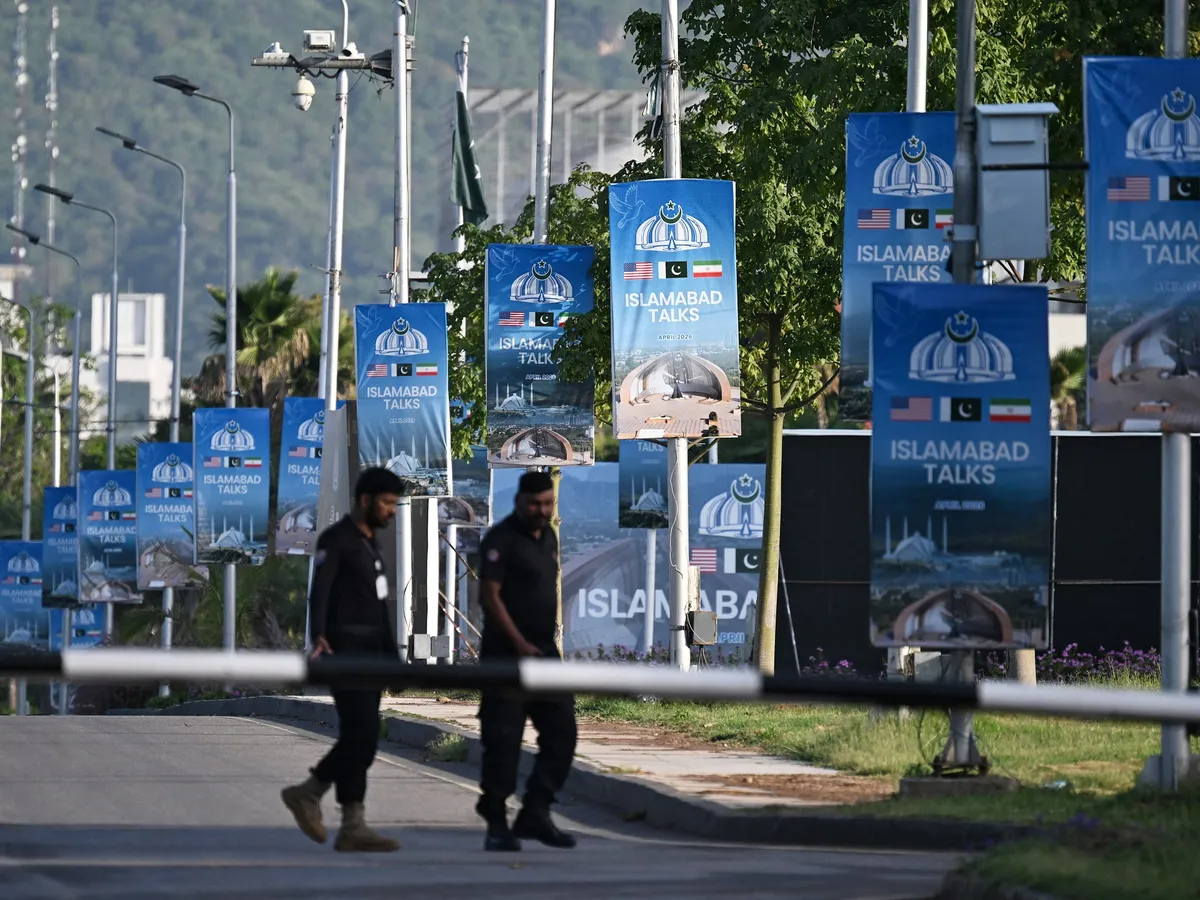
Al JazeeraFIG 01
Reading time
2min
Word count
346words
Sources cited
0cited
Entities identified
12entities
Quality score
100%
§ 01
Briefing Summary
AI-generatedNEWSAR · AI
A recent memorandum of understanding between the United States and Iran, signed on June 17, initially appeared to de-escalate tensions and restore stability to the Strait of Hormuz. Commercial shipping and oil flows through the vital waterway showed early signs of recovery. However, the agreement quickly unraveled, with renewed military exchanges and disappearing commercial vessels. The article attributes this failure to a lack of focus on implementation mechanisms and insufficient leverage by the mediators. The process prioritized securing a political text over addressing crucial issues like interpretation, verification, and dispute resolution, treating the signing as an end rather than the beginning of a demanding phase.
Confidence 0.90Claims 4Entities 12
§ 02
Article analysis
Model · rule-basedFraming
Diplomatic
Economic Impact
Tone
Measured
AI-assessed
CalmNeutralAlarmist
Factuality
0.40 / 1.00
Mixed
LowHigh
Sources cited
0
No named sources
FewMany
§ 03
Key claims
4 extracted01
Focus was placed on securing a political text rather than on the practical challenges of implementation, such as interpretation and verification.
factual
Confidence
0.90
02
The rapid unravelling of the agreement exposed a lack of mechanisms for implementation and insufficient leverage from mediators.
factual
Confidence
0.90
03
The memorandum of understanding (MoU) between the US and Iran extended the ceasefire and reopened a path back to negotiations.
factual
Confidence
0.90
04
Commercial shipping through the Strait of Hormuz recovered following the MoU, with oil flows rising markedly.
factual
Confidence
0.80
§ 04
Full report
2 min read · 346 words§ 05
Entities
12 identifiedKey playerOppositionContextPositiveNeutralNegative
Organizations3
Locations3
§ 06
Keywords & salience
8 termsmediation process
1.00
us-iran diplomacy
0.90
agreement implementation
0.80
strait of hormuz
0.70
ceasefire
0.60
negotiations
0.50
leverage
0.40
dispute resolution
0.40
§ 07
Topic connections
Interactive graph Network visualization showing 51 related topics
View Full Graph Person Organization Location Event|Click node to navigate|Edge numbers = shared articles