Canada’s decision to take a role in the next-generation Global Combat Air Programme (GCAP) has eased Japan’s fears over its fighter jet future, while Germany is also reported to be exploring whether it could join the project that also involves Britain and Italy.The moves could give fresh momentum to GCAP, a programme to develop a next-generation fighter that Japan sees as critical to replacing its ageing F-2 fleet and avoiding a gap in its air defences, analysts say.Tokyo has been frustrated in recent months by what observers described as London dragging its feet on the fighter due to defence funding shortfalls, potentially delaying the project for several years.
SRCSouth China Morning Post
LANGEN
LEANCenter-Right
WORDS108
ENT9
FRI · 2026-07-24 · 00:00 GMTBRIEF NSR-2026-0724-95544
NSR-2026-0724-95544News Report·EN·National Security
Why Japan’s fighter jet future looks ‘more optimistic’ with Canada’s entry
Canada's decision to join the Global Combat Air Programme (GCAP) has alleviated Japan's concerns regarding its future fighter jet capabilities. Germany is also reportedly considering participation in the project, which already includes Britain and Italy.
Julian RyallSouth China Morning PostFiled 2026-07-24 · 00:00 GMTLean · Center-RightRead · 1 min
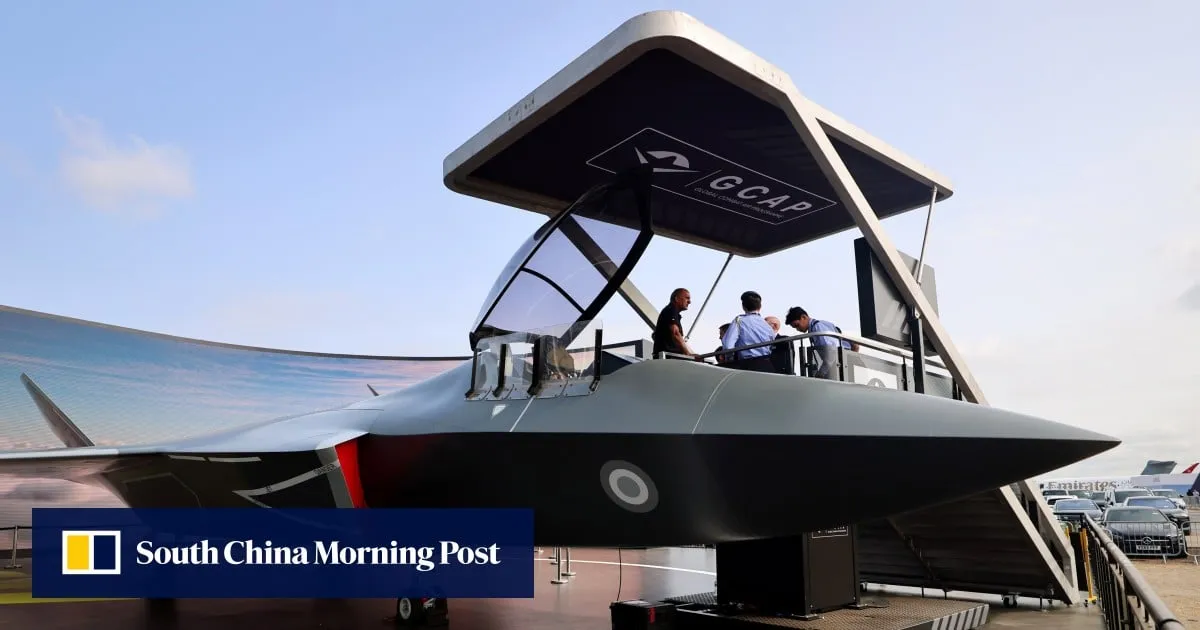
South China Morning PostFIG 01
Reading time
1min
Word count
108words
Sources cited
1cited
Entities identified
9entities
Quality score
100%
§ 01
Briefing Summary
AI-generatedNEWSAR · AI
Canada's decision to join the Global Combat Air Programme (GCAP) has alleviated Japan's concerns regarding its future fighter jet capabilities. Germany is also reportedly considering participation in the project, which already includes Britain and Italy. Analysts suggest these developments could revitalize GCAP, a program aimed at developing a next-generation fighter jet crucial for Japan to replace its aging F-2 fleet and maintain air defense. Japan had previously expressed frustration over potential delays attributed to Britain's defense funding issues. The inclusion of Canada and potential involvement of Germany are seen as positive steps for the program's momentum.
Confidence 0.85Sources 1Claims 5Entities 9
§ 02
Article analysis
Model · rule-basedFraming
National Security
Diplomatic
Tone
Measured
AI-assessed
CalmNeutralAlarmist
Factuality
0.70 / 1.00
Factual
LowHigh
Sources cited
1
Limited
FewMany
§ 03
Key claims
5 extracted01
Japan views GCAP as critical for replacing its F-2 fleet and avoiding a gap in its air defenses.
factualarticle
Confidence
0.95
02
Canada's decision to join the Global Combat Air Programme (GCAP) eases Japan's fears over its fighter jet future.
factualarticle
Confidence
0.90
03
The moves could give fresh momentum to GCAP, a program to develop a next-generation fighter.
factualanalysts
Confidence
0.85
04
Tokyo has been frustrated by London potentially delaying the fighter project due to defense funding shortfalls.
factualobservers
Confidence
0.80
05
Germany is reportedly exploring joining the GCAP project, which also includes Britain and Italy.
factualarticle
Confidence
0.80
§ 04
Full report
1 min read · 108 words§ 05
Entities
9 identifiedKey playerOppositionContextPositiveNeutralNegative
Organizations1
Locations7
§ 06
Keywords & salience
10 termsnext-generation fighter
1.00
global combat air programme
1.00
fighter jet future
0.90
air defences
0.80
japan
0.70
canada
0.70
italy
0.60
britain
0.60
germany
0.50
defence funding
0.40
§ 07
Topic connections
Interactive graph Network visualization showing 51 related topics
View Full Graph Person Organization Location Event|Click node to navigate|Edge numbers = shared articles