Southeast Asia’s governments have spent months trying to blunt the effects of war-driven energy shocks from the Middle East, but renewed fighting between the United States and Iran has exposed how limited those defences are, analysts have warned.The latest flare-up has revived fears of a second round of fuel disruption across the region, where many economies remain heavily dependent on imported oil and shipping routes linked to the Gulf.Southeast Asian leaders expressed “grave concern” over the revival of tensions between the US and Iran, urging a “complete and immediate cessation of hostilities across all fronts in the Middle East” at the 59th Asean Foreign Ministers Meeting in Manila on Tuesday.
SRCSouth China Morning Post
LANGEN
LEANCenter-Right
WORDS110
ENT11
FRI · 2026-07-24 · 10:31 GMTBRIEF NSR-2026-0724-95693
NSR-2026-0724-95693News Report·EN·Economic Impact
Can Southeast Asia survive more Iran war fuel shocks?
Southeast Asian governments are concerned about renewed US-Iran tensions, which threaten to disrupt fuel supplies across the region. Analysts warn that existing defenses against Middle East war-driven energy shocks are limited, as many Southeast Asian economies rely heavily on imported oil and shipping routes through the Gulf.
Sam BeltranSouth China Morning PostFiled 2026-07-24 · 10:31 GMTLean · Center-RightRead · 1 min
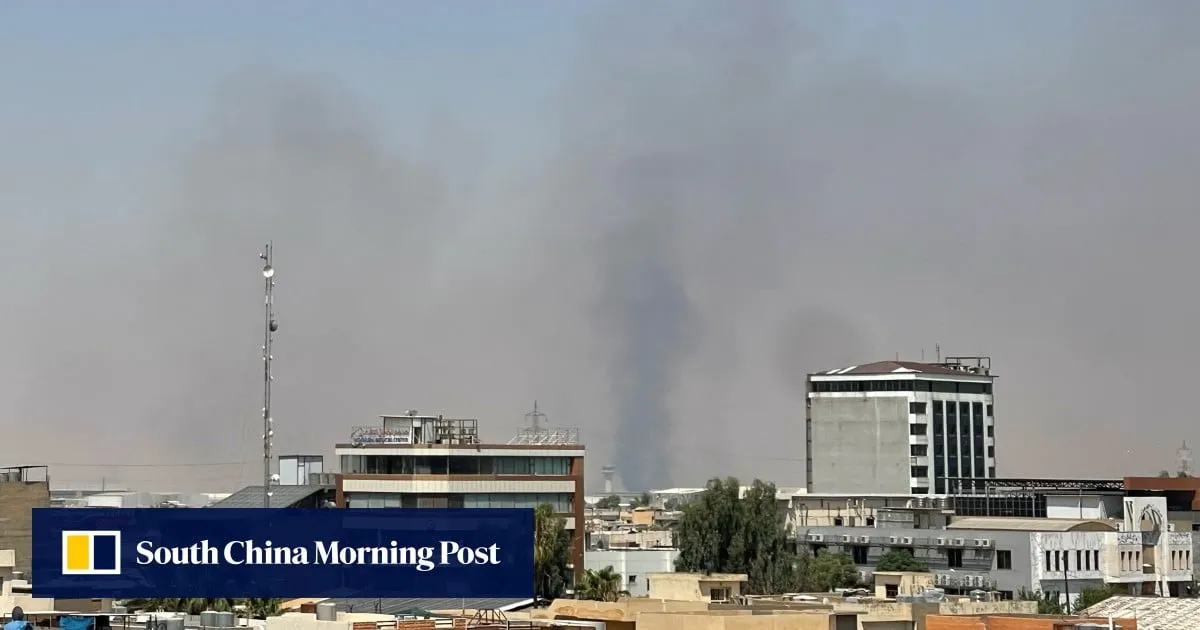
South China Morning PostFIG 01
Reading time
1min
Word count
110words
Sources cited
1cited
Entities identified
11entities
Quality score
100%
§ 01
Briefing Summary
AI-generatedNEWSAR · AI
Southeast Asian governments are concerned about renewed US-Iran tensions, which threaten to disrupt fuel supplies across the region. Analysts warn that existing defenses against Middle East war-driven energy shocks are limited, as many Southeast Asian economies rely heavily on imported oil and shipping routes through the Gulf. At the 59th Asean Foreign Ministers Meeting in Manila, leaders expressed "grave concern" and called for an immediate cessation of hostilities in the Middle East. This situation highlights the vulnerability of the region to geopolitical instability impacting global energy markets.
Confidence 0.85Sources 1Claims 5Entities 11
§ 02
Article analysis
Model · rule-basedFraming
Economic Impact
Conflict
Tone
Mixed Tone
AI-assessed
CalmNeutralAlarmist
Factuality
0.60 / 1.00
Mixed
LowHigh
Sources cited
1
Limited
FewMany
§ 03
Key claims
5 extracted01
Southeast Asian leaders expressed grave concern over the revival of tensions between the US and Iran.
quoteSoutheast Asian leaders
Confidence
1.00
02
Many Southeast Asian economies remain heavily dependent on imported oil and shipping routes linked to the Gulf.
factual
Confidence
0.90
03
Southeast Asian governments have spent months trying to blunt the effects of war-driven energy shocks from the Middle East.
factual
Confidence
0.90
04
The latest flare-up has revived fears of a second round of fuel disruption across the region.
factual
Confidence
0.85
05
Renewed fighting between the United States and Iran has exposed how limited Southeast Asia's defenses against energy shocks are.
factualanalysts
Confidence
0.80
§ 04
Full report
1 min read · 110 words§ 05
Entities
11 identifiedKey playerOppositionContextPositiveNeutralNegative
Locations6
§ 06
Keywords & salience
9 termsiran war fuel shocks
1.00
southeast asia
0.90
energy shocks
0.80
fuel disruption
0.70
imported oil
0.60
shipping routes
0.50
united states
0.40
iran
0.40
asean foreign ministers meeting
0.40
§ 07
Topic connections
Interactive graph Network visualization showing 51 related topics
View Full Graph Person Organization Location Event|Click node to navigate|Edge numbers = shared articles