Sebastia in the occupied West Bank and five Lebanese castles get emergency listing despite Israeli objections.UNESCO has added sites in the occupied West Bank and Lebanon to the list of endangered World Heritage sites, despite Israeli objections.A committee vote on Friday at a UNESCO meeting in Busan, South Korea, placed six locations on both the main World Heritage list and the endangered list at once, under an emergency procedure, citing the toll of the ongoing conflicts in the region.Recommended Stories list of 3 itemslist 1 of 3Rebuilding Gaza to cost $71bn, must include Palestinians, report findslist 2 of 3US court affirms release of pro-Palestine scholar as legal battle continueslist 3 of 3Israel’s illegal settlements are Europe’s credibility testend of listThe locations include a biblical archaeological site in the West Bank and five castles in southern Lebanon, one of which was recently seized by Israeli troops.Member states of the UN’s cultural agency approved the listings despite a campaign by Israel’s foreign ministry to have them rejected.The West Bank site, Sebastia, sits on a hilltop near Nablus and is identified by historians as ancient Samaria, capital of the biblical Israel" class="entity-link entity-location" data-entity-id="170752" data-entity-type="location">Kingdom of Israel.Its ruins span the Iron Age through Roman, Byzantine and Islamic rule, and Christian and Islamic tradition holds that John the Baptist is buried there.Palestinian officials first sought the listing in 2012, arguing the site needed protection as Israeli authorities pushed ahead with plans to expropriate roughly 200 hectares (500 acres) of surrounding land for a national park.That project would add a fence, entry fees and a road restricted to use by Israelis, bypassing the Palestinian tourism trade built around the ruins.In Lebanon, five fortresses in the Mount Amel region were listed, among them Beaufort Castle, a medieval stronghold captured by Israeli forces in May during their war with Hezbollah.
SRCAl Jazeera
LANGEN
LEANCenter
WORDS299
ENT12
FRI · 2026-07-24 · 20:51 GMTBRIEF NSR-2026-0724-95816
NSR-2026-0724-95816News Report·EN·Conflict
UNESCO places occupied West Bank, Lebanon sites on endangered heritage list
UNESCO has added a biblical archaeological site in the occupied West Bank, Sebastia, and five Lebanese castles to its list of endangered World Heritage sites. The decision was made by a committee vote on Friday in Busan, South Korea, utilizing an emergency procedure due to ongoing conflicts in the region.
By AFP and The Associated PressAl JazeeraFiled 2026-07-24 · 20:51 GMTLean · CenterRead · 2 min
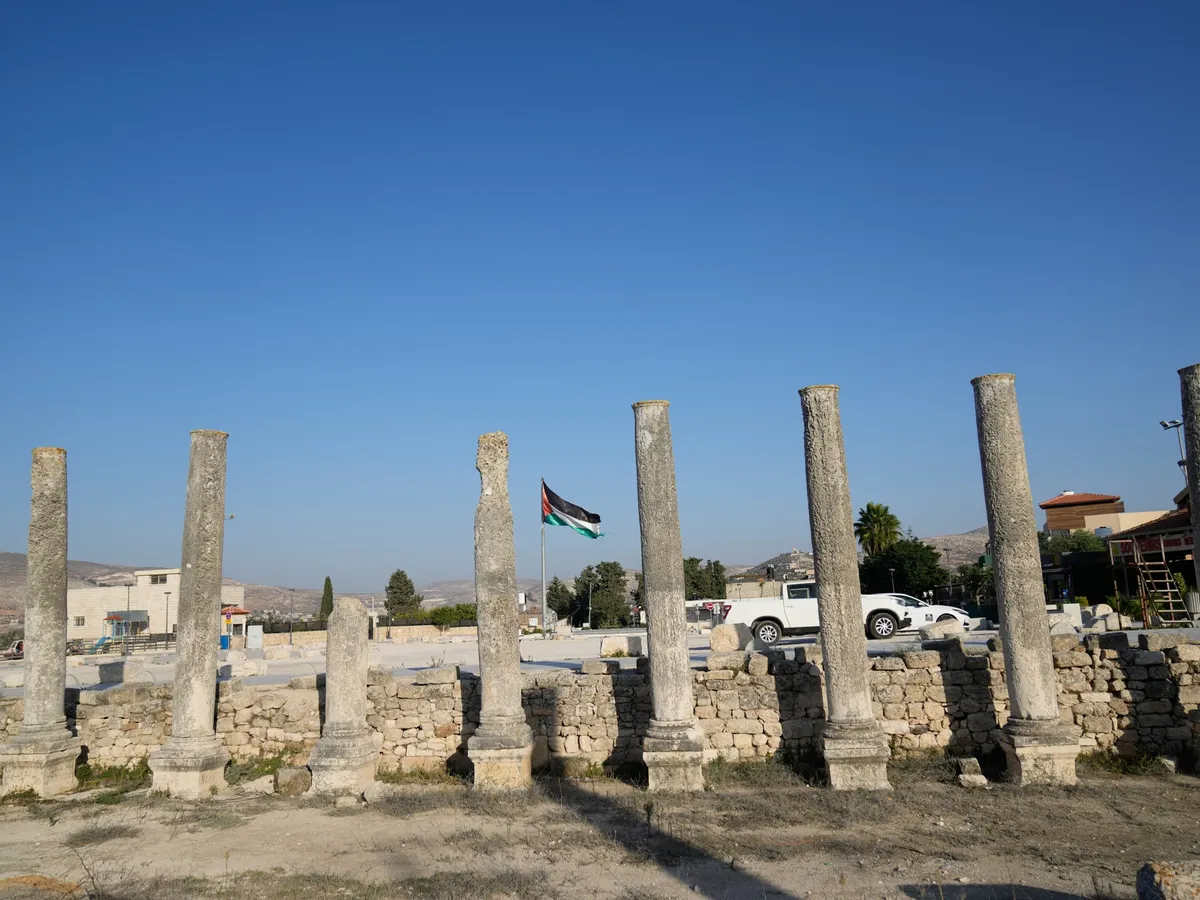
Al JazeeraFIG 01
Reading time
2min
Word count
299words
Sources cited
0cited
Entities identified
12entities
Quality score
100%
§ 01
Briefing Summary
AI-generatedNEWSAR · AI
UNESCO has added a biblical archaeological site in the occupied West Bank, Sebastia, and five Lebanese castles to its list of endangered World Heritage sites. The decision was made by a committee vote on Friday in Busan, South Korea, utilizing an emergency procedure due to ongoing conflicts in the region. Palestinian officials had sought the listing for Sebastia, identified as ancient Samaria, to protect it from Israeli plans for a national park that would restrict Palestinian access and tourism. Among the Lebanese sites is Beaufort Castle, which was recently seized by Israeli troops. The listings were approved despite objections and a campaign by Israel's foreign ministry to have them rejected.
Confidence 0.90Claims 5Entities 12
§ 02
Article analysis
Model · rule-basedFraming
Conflict
Diplomatic
Tone
Measured
AI-assessed
CalmNeutralAlarmist
Factuality
0.80 / 1.00
Factual
LowHigh
Sources cited
0
No named sources
FewMany
§ 03
Key claims
5 extracted01
Beaufort Castle in Lebanon was captured by Israeli forces in May during their war with Hezbollah.
factual
Confidence
1.00
02
Palestinian officials sought the listing in 2012, arguing the site needed protection as Israeli authorities planned to expropriate surrounding land.
factual
Confidence
1.00
03
A committee vote placed six locations on both the main World Heritage list and the endangered list at once, under an emergency procedure.
factual
Confidence
1.00
04
UNESCO added sites in the occupied West Bank and Lebanon to the list of endangered World Heritage sites.
factual
Confidence
1.00
05
The West Bank site, Sebastia, is identified by historians as ancient Samaria, capital of the biblical Kingdom of Israel.
factual
Confidence
0.90
§ 04
Full report
2 min read · 299 words§ 05
Entities
12 identifiedKey playerOppositionContextPositiveNeutralNegative
Organizations2
§ 06
Keywords & salience
10 termsendangered heritage list
1.00
occupied west bank
0.90
lebanon sites
0.80
israeli objections
0.70
unesco
0.70
lebanese castles
0.60
archaeological site
0.60
sebastia
0.50
ongoing conflicts
0.50
beaufort castle
0.40
§ 07
Topic connections
Interactive graph Network visualization showing 51 related topics
View Full Graph Person Organization Location Event|Click node to navigate|Edge numbers = shared articles