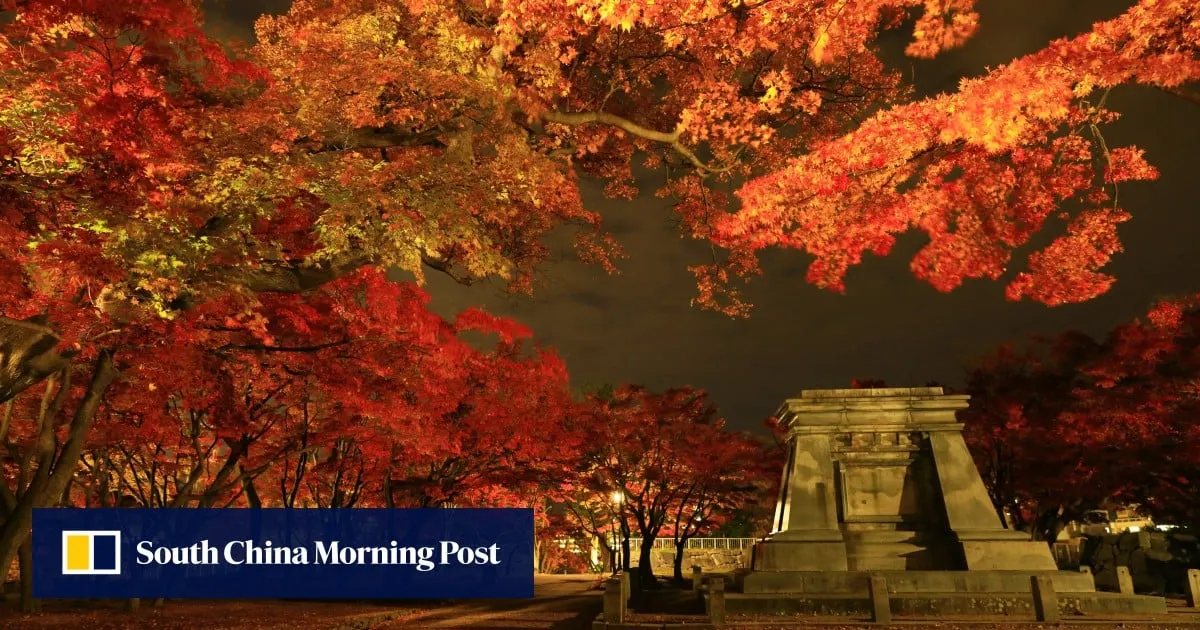
Japan’s tourism boom has packed the streets of Tokyo, Kyoto and Osaka with foreign visitors, but one of the country’s most scenic regions is still struggling to draw them north.Tohoku, the northern region of Japan’s main island of Honshu, comprises Aomori, Iwate, Miyagi, Akita, Yamagata and Fukushima prefectures – an area known for mountains, hot springs, skiing, festivals and a slower rural pace.Of the record 42.7 million foreign visitors to Japan in 2025, just 2.57 million – roughyl 6 per cent – spent a night in the six prefectures that make up Tohoku, according to statistics provided by the Tohoku Tourism Promotion Organisation.
SRCSouth China Morning Post
LANGEN
LEANCenter-Right
WORDS103
ENT12
SAT · 2026-07-25 · 01:30 GMTBRIEF NSR-2026-0725-95851
NSR-2026-0725-95851News Report·EN·Economic Impact
Why Japan’s scenic Tohoku region is still a tourist outlier
Despite a significant tourism boom in Japan, the scenic Tohoku region, located in northern Honshu, continues to attract a small fraction of foreign visitors. In 2025, out of a record 42.7 million international tourists, only approximately 6%, or 2.57 million, stayed overnight in Tohoku's six prefectures: Aomori, Iwate, Miyagi, Akita, Yamagata, and Fukushima.
Julian RyallSouth China Morning PostFiled 2026-07-25 · 01:30 GMTLean · Center-RightRead · 1 min
South China Morning PostFIG 01
Reading time
1min
Word count
103words
Sources cited
1cited
Entities identified
12entities
Quality score
100%
§ 01
Briefing Summary
AI-generatedNEWSAR · AI
Despite a significant tourism boom in Japan, the scenic Tohoku region, located in northern Honshu, continues to attract a small fraction of foreign visitors. In 2025, out of a record 42.7 million international tourists, only approximately 6%, or 2.57 million, stayed overnight in Tohoku's six prefectures: Aomori, Iwate, Miyagi, Akita, Yamagata, and Fukushima. This region is characterized by its mountains, hot springs, skiing opportunities, festivals, and a more relaxed rural atmosphere. The Tohoku Tourism Promotion Organisation provided these statistics, highlighting that while major cities like Tokyo, Kyoto, and Osaka are experiencing high visitor numbers, Tohoku remains an outlier in drawing international tourists.
Confidence 0.85Sources 1Claims 4Entities 12
§ 02
Article analysis
Model · rule-basedFraming
Economic Impact
Human Interest
Tone
Measured
AI-assessed
CalmNeutralAlarmist
Factuality
0.80 / 1.00
Factual
LowHigh
Sources cited
1
Limited
FewMany
§ 03
Key claims
4 extracted01
Tohoku, the northern region of Japan’s main island of Honshu, comprises Aomori, Iwate, Miyagi, Akita, Yamagata and Fukushima prefectures.
factual
Confidence
1.00
02
Of the record 42.7 million foreign visitors to Japan in 2025, just 2.57 million (6%) spent a night in Tohoku.
statisticTohoku Tourism Promotion Organisation
Confidence
0.95
03
Tohoku is known for mountains, hot springs, skiing, festivals and a slower rural pace.
factual
Confidence
0.90
04
Japan's tourism boom has packed the streets of Tokyo, Kyoto and Osaka with foreign visitors.
factual
Confidence
0.90
§ 04
Full report
1 min read · 103 words§ 05
Entities
12 identifiedKey playerOppositionContextPositiveNeutralNegative
§ 06
Keywords & salience
8 termstohoku region
1.00
japan tourism
0.90
foreign visitors
0.80
tourist outlier
0.70
scenic region
0.60
rural pace
0.50
tourism boom
0.40
honshu
0.40
§ 07
Topic connections
Interactive graph No topic relationship data available yet. This graph will appear once topic relationships have been computed.