Support for onshore wind and solar farms had dropped from last year, the survey found, with Australians reporting receiving more negative than positive messages about windfarms. Photograph: David Kelly/The Guardian View image in fullscreen Support for onshore wind and solar farms had dropped from last year, the survey found, with Australians reporting receiving more negative than positive messages about windfarms. Photograph: David Kelly/The Guardian Australians value batteries and EVs, but renewables industry must earn trust of regions, summit told Clean Energy Council calls for a national, legislated scheme to funnel benefits of hosting renewables projects back to local councils Organised campaigns against wind and solar energy have proved “extremely effective” in undermining community support for renewable energy but enthusiasm for electric vehicles has jumped following Donald Trump’s attack on Iran, according to a detailed snapshot of Australian attitudes to the clean energy transition. The survey found levels of “deep support” for clean technologies were highest for home batteries and rooftop solar and also improving for major infrastructure projects such as transmission lines, which have been a target for critics of renewables. But support for onshore wind and solar farms had dropped from last year, with Australians reporting receiving more negative than positive messages about windfarms. “All that these campaigns need to do is create the perception that other people think [windfarms] are a bad idea,” she said. “It isn’t difficult at this stage to get people to think renewable energy is a good idea. But you can get people to think there is no social licence for a fast transition.” As the data was revealed at the renewable energy industry’s annual summit in Sydney, the Clean Energy Council told the industry it had a “fundamental problem” with a lack of trust in regional and rural communities. The council called for a nationwide legislated scheme for local councils to receive money from renewables companies for every megawatt hour of electricity generated by projects over their lifetime. Huntley measured the level of “deep support” for a range of renewable technologies by asking if people personally supported them; if they thought they were good for Australia; if they were willing to talk positively to others about them; and how they perceived others felt about the same technology. She said Australians tended to overestimate the amount of opposition to a clean energy transition, compared with how they personally felt. This was creating a perception gap, she said, which was undermining support for a fast transition away from coal and gas. The index also showed people grossly underestimate how much electricity is already being generated from renewables. Well over half (62%) of Australians think renewables supply less than 30% of electricity in the main eastern market, but the actual figure is 46%. Huntley said Trump’s war on Iran and subsequent fuel crisis had been a boon for electric vehicles. But she said renewable projects were facing an “existential threat” because the companies behind them were failing to properly share benefits with regional and rural towns hosting them. Renewables companies needed to look back at previous resource booms such as coal, gas and gold that had helped build community infrastructure such as community halls and arts centres. “The question the industry needs to ask is: in 50 years as Australians wander around renewable energy zones, what can they point to that was built off the back of wind turbines?” she said. Jackie Trad, the chief executive of the Clean Energy Council, told the industry’s annual summit on Tuesday: “The fundamental problem this industry has is trust. We do not have enough of it in the places where we build – regional and rural Australia. “Our intentions are sincere. Our product is clean. But go looking for the research that says regional communities trust the renewable energy industry, and you will not find it. It does not exist. “And in this business, what communities believe determines what gets built.” Trad said the current “patchwork of community benefit funds, grants and negotiated payments” needed to be replaced with a national legislated scheme. She said: “Regional Australia is being asked to host the machinery of our energy security. The least we can do is make sure the towns that host it share squarely in the wealth it creates.” Explore more on these topics Energy renewable energy Solar power Wind power Rural and regional Australia electric vehicles news Share Reuse this content
SRCThe Guardian - World News
LANGEN
LEANCenter-Left
WORDS732
ENT12
WED · 2026-07-29 · 15:00 GMTBRIEF NSR-2026-0729-97181
NSR-2026-0729-97181News Report·EN·Political Strategy
Australians value batteries and EVs, but renewables industry must earn trust of regions, summit told
A recent survey in Australia reveals strong public support for home batteries and electric vehicles, with EV enthusiasm boosted by geopolitical events. However, support for large-scale wind and solar farms has declined, attributed to effective anti-renewables campaigns that have eroded community trust, particularly in regional areas.
Graham Readfearn Environment and climate correspondentThe Guardian - World NewsFiled 2026-07-29 · 15:00 GMTLean · Center-LeftRead · 3 min
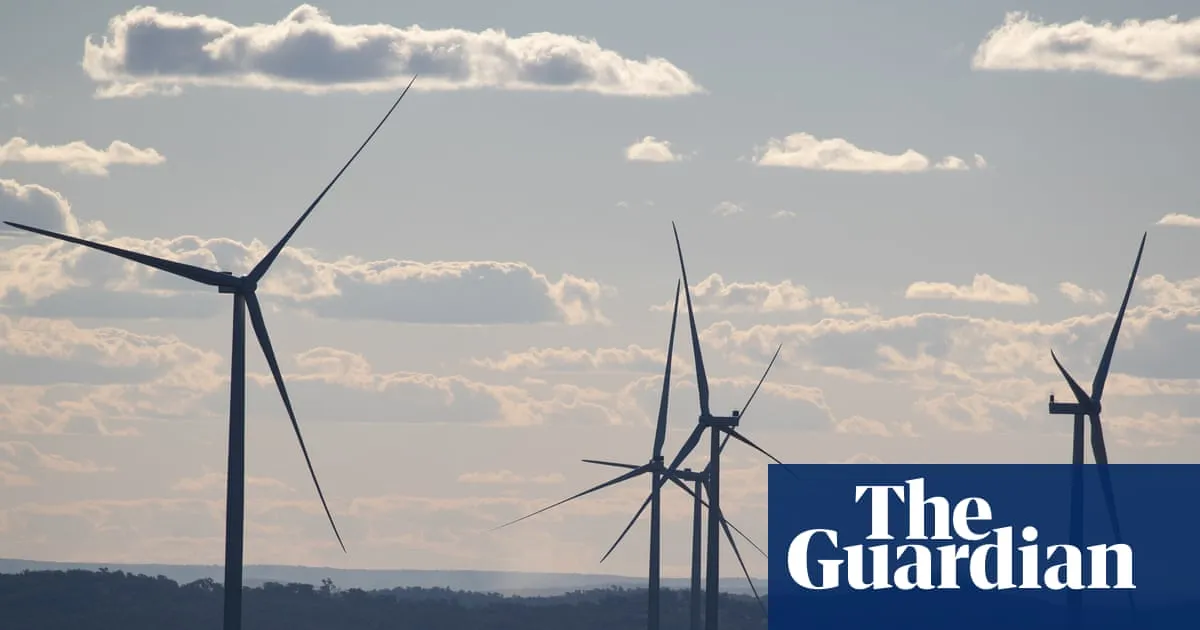
The Guardian - World NewsFIG 01
Reading time
3min
Word count
732words
Sources cited
2cited
Entities identified
12entities
Quality score
100%
§ 01
Briefing Summary
AI-generatedNEWSAR · AI
A recent survey in Australia reveals strong public support for home batteries and electric vehicles, with EV enthusiasm boosted by geopolitical events. However, support for large-scale wind and solar farms has declined, attributed to effective anti-renewables campaigns that have eroded community trust, particularly in regional areas. The Clean Energy Council, speaking at the industry's annual summit, highlighted this trust deficit as a "fundamental problem." To address this, the council is advocating for a national, legislated scheme to ensure local councils receive direct financial benefits from hosting renewable energy projects, mirroring past resource booms. This initiative aims to build social license and secure community buy-in for the clean energy transition.
Confidence 0.90Sources 2Claims 5Entities 12
§ 02
Article analysis
Model · rule-basedFraming
Political Strategy
Technology
Tone
Measured
AI-assessed
CalmNeutralAlarmist
Factuality
0.70 / 1.00
Factual
LowHigh
Sources cited
2
Limited
FewMany
§ 03
Key claims
5 extracted01
Well over half (62%) of Australians think renewables supply less than 30% of electricity in the main eastern market, but the actual figure is 46%.
statisticKate Huntley
Confidence
0.95
02
Australians tend to overestimate the amount of opposition to a clean energy transition.
quoteKate Huntley
Confidence
0.90
03
Support for onshore wind and solar farms has dropped from last year, with Australians reporting more negative than positive messages about windfarms.
statisticClean Energy Council survey
Confidence
0.90
04
Organised campaigns against wind and solar energy have proved "extremely effective" in undermining community support for renewable energy.
quoteClean Energy Council
Confidence
0.80
05
Enthusiasm for electric vehicles has jumped following Donald Trump’s attack on Iran.
predictionClean Energy Council
Confidence
0.60
§ 04
Full report
3 min read · 732 words§ 05
Entities
12 identifiedKey playerOppositionContextPositiveNeutralNegative
§ 06
Keywords & salience
10 termsrenewable energy
1.00
community trust
0.90
electric vehicles
0.80
wind and solar farms
0.80
clean energy transition
0.70
regional communities
0.60
batteries
0.60
clean energy council
0.50
summit
0.40
social licence
0.40
§ 07
Topic connections
Interactive graph No topic relationship data available yet. This graph will appear once topic relationships have been computed.