Andrew Sheng is a former central banker and financial regulator, currently distinguished fellow at the Asia Global Institute, University of Hong Kong.Who will win the next war? That is the question posed on the cover of the latest Foreign Affairs magazine which explores, among other things, the China-military-and-technological-rivalry" class="entity-link entity-topic" data-entity-id="175901" data-entity-type="topic">US-China military and technological rivalry. At its core is a clash of strategic philosophies between the US-led order and China’s world view, which has propelled the latter’s rise to the world’s second great power.The magazine’s contributors reflect a deeply ingrained Western strategic tradition, rooted in liberal realism, that says that the United States must maintain its primacy to underwrite global stability, defend democracy and retain its financial, technological and military power. Any challenger is inherently revisionist.Lead essayist Paul Scharre argues that new technologies in drones, artificial intelligence (AI) and robotics challenge not only America’s traditional air and naval power but also allow states such as Iran to conduct asymmetric warfare, which erodes US hard and soft power.
SRCSouth China Morning Post
LANGEN
LEANCenter-Right
WORDS164
ENT12
FRI · 2026-07-31 · 21:30 GMTBRIEF NSR-2026-0731-97992
NSR-2026-0731-97992Analysis·EN·Conflict
Will US or China win the next war? That’s the wrong question to ask
The latest Foreign Affairs magazine examines the US-China military and technological rivalry, framing the central issue as a clash of strategic philosophies. The US-led order, rooted in liberal realism, asserts the necessity of American primacy for global stability and the defense of democracy.
Andrew ShengSouth China Morning PostFiled 2026-07-31 · 21:30 GMTLean · Center-RightRead · 1 min
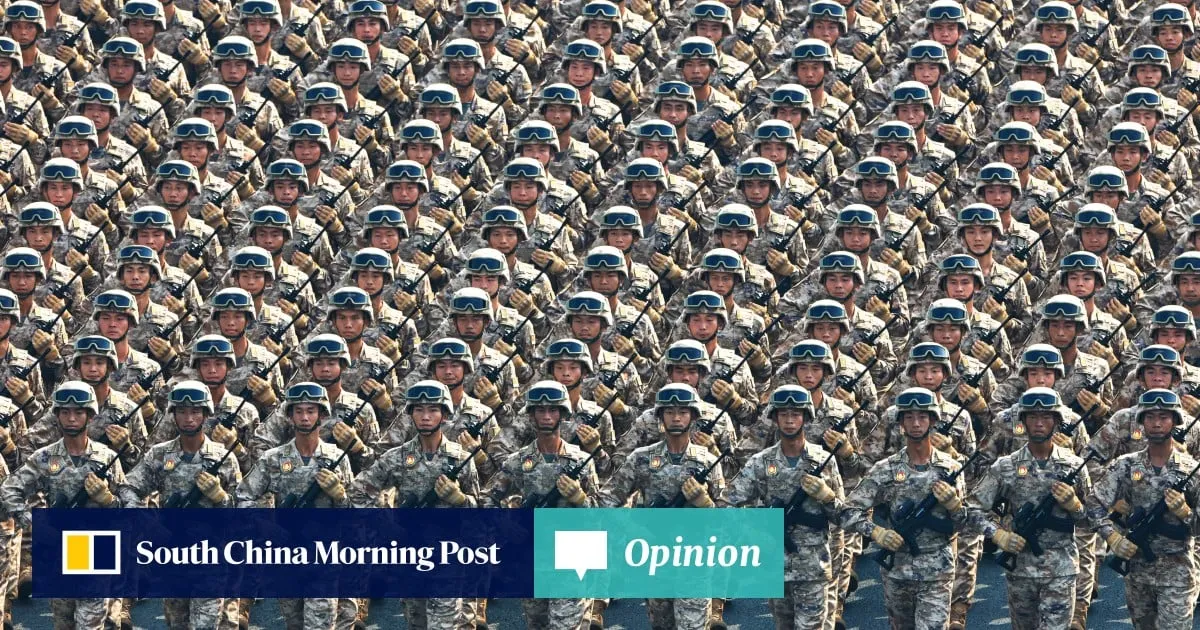
South China Morning PostFIG 01
Reading time
1min
Word count
164words
Sources cited
1cited
Entities identified
12entities
Quality score
100%
§ 01
Briefing Summary
AI-generatedNEWSAR · AI
The latest Foreign Affairs magazine examines the US-China military and technological rivalry, framing the central issue as a clash of strategic philosophies. The US-led order, rooted in liberal realism, asserts the necessity of American primacy for global stability and the defense of democracy. Conversely, China's worldview has fueled its rise as a major power. Contributors, including lead essayist Paul Scharre, highlight how new technologies like drones, AI, and robotics challenge traditional US military dominance and enable asymmetric warfare by other states, potentially eroding American power. The article suggests that the question of who will win the next war is less important than understanding these underlying strategic differences.
Confidence 0.90Sources 1Claims 4Entities 12
§ 02
Article analysis
Model · rule-basedFraming
Conflict
Political Strategy
Tone
Measured
AI-assessed
CalmNeutralAlarmist
Factuality
0.40 / 1.00
Mixed
LowHigh
Sources cited
1
Limited
FewMany
§ 03
Key claims
4 extracted01
The Foreign Affairs magazine explores the US-China military and technological rivalry.
factualForeign Affairs magazine
Confidence
1.00
02
The US-China rivalry is at its core a clash of strategic philosophies.
factualAndrew Sheng
Confidence
0.90
03
New technologies like drones and AI challenge America's traditional power and enable asymmetric warfare.
factualPaul Scharre (via Andrew Sheng)
Confidence
0.80
04
The US-led order requires the US to maintain primacy for global stability, democracy defense, and power retention.
factualPaul Scharre (via Andrew Sheng)
Confidence
0.80
§ 04
Full report
1 min read · 164 words§ 05
Entities
12 identifiedKey playerOppositionContextPositiveNeutralNegative
Organizations3
§ 06
Keywords & salience
9 termsus-china rivalry
1.00
strategic philosophies
0.90
global stability
0.80
new technologies
0.70
asymmetric warfare
0.60
artificial intelligence
0.60
hard and soft power
0.50
liberal realism
0.40
world order
0.40
§ 07
Topic connections
Interactive graph Network visualization showing 51 related topics
View Full Graph Person Organization Location Event|Click node to navigate|Edge numbers = shared articles