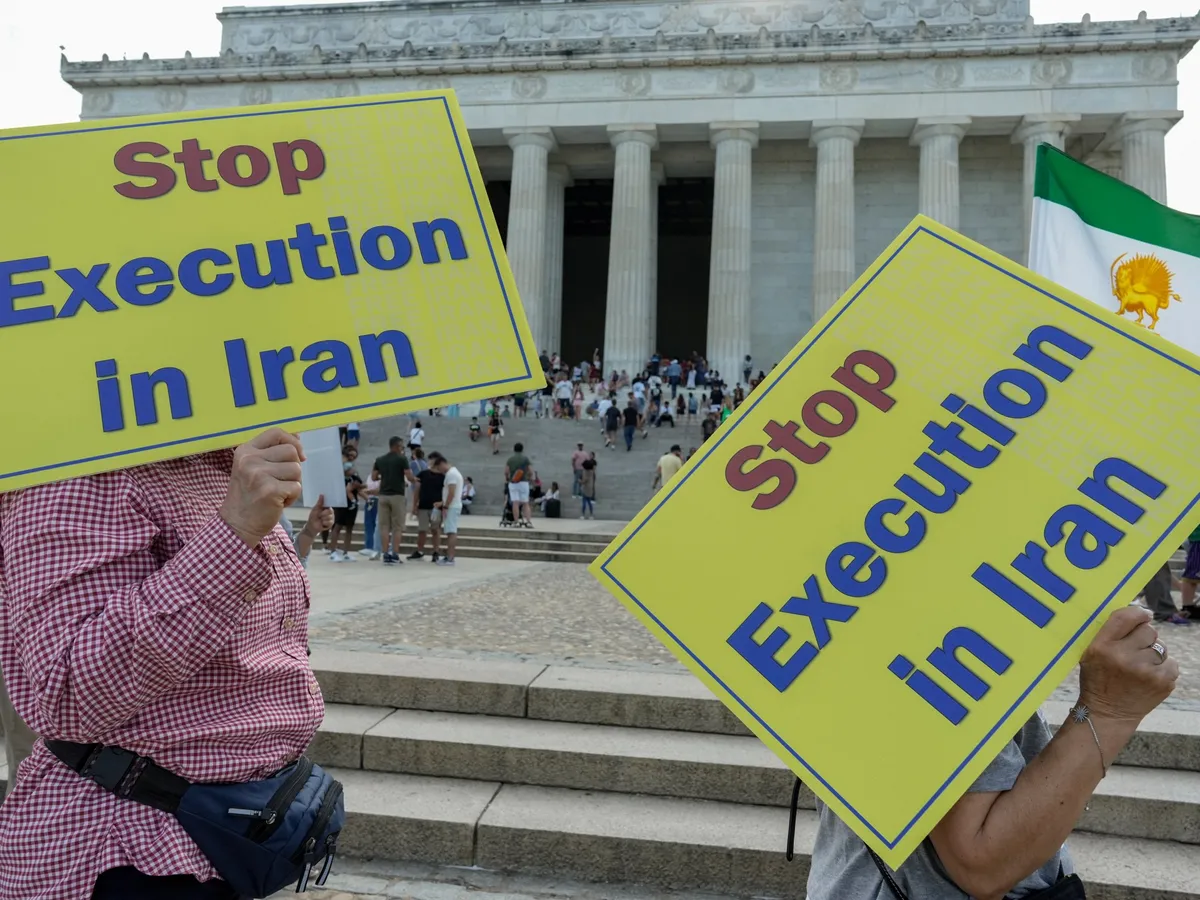
Volker Turk warns of surge in Iran executions to suppress dissent after January uprising.At least 56 people have been executed in Iran on national security-related charges since March 19, including 27 in cases linked to nationwide protests at the start of the year, United Nations High Commissioner for Human Rights Volker Turk saysIn a statement released on Wednesday detailing a surge in capital punishment, Turk warned that state-sanctioned executions were being deployed to crush public opposition.Recommended Stories list of 3 itemslist 1 of 3What lies ahead for Iran’s economy as scope of US war grows beyond Hormuz?list 2 of 3Why has the US halted its bombing of Iran?list 3 of 3How has Iran’s economy survived despite US war pressureend of list“I am alarmed by the rise in executions and death sentences issued in Iran since March, and that capital punishment continues to be used to instil fear among the population and suppress dissent,” Turk said. “I urge the authorities to urgently halt all executions and move towards the abolition of the death penalty.”The UN Human Rights Office (OHCHR) said more than 100 other people remain at risk of execution on similar security charges, while executions for drug-related offences continue to be carried out at an “alarming rate”.Turk highlighted systemic judicial failures across the Iranian legal system, emphasising that a “persistent lack of fair trial and due process guarantees are deeply troubling”.According to reports received by the rights office, confessions leading to capital verdicts have allegedly been obtained under torture and other ill-treatment.The UN also voiced alarm over the speed and secrecy of judicial proceedings, noting that several executions were reportedly carried out only weeks after arrest, while 12 defendants were sentenced to death following a single three-hour closed-door hearing.
SRCAl Jazeera
LANGEN
LEANCenter
WORDS289
ENT12
WED · 2026-08-05 · 12:58 GMTBRIEF NSR-2026-0805-99402
NSR-2026-0805-99402News Report·EN·Human Rights
UN rights chief says Iran executed at least 56 people since March
United Nations High Commissioner for Human Rights Volker Turk has reported a significant increase in executions in Iran since March 19, with at least 56 individuals put to death on national security-related charges. Of these, 27 executions are linked to nationwide protests that occurred earlier in the year.
Al Jazeera StaffAl JazeeraFiled 2026-08-05 · 12:58 GMTLean · CenterRead · 2 min
Al JazeeraFIG 01
Reading time
2min
Word count
289words
Sources cited
1cited
Entities identified
12entities
Quality score
100%
§ 01
Briefing Summary
AI-generatedNEWSAR · AI
United Nations High Commissioner for Human Rights Volker Turk has reported a significant increase in executions in Iran since March 19, with at least 56 individuals put to death on national security-related charges. Of these, 27 executions are linked to nationwide protests that occurred earlier in the year. Turk expressed alarm that capital punishment is being used to suppress dissent and instill fear in the population, urging Iranian authorities to halt all executions and work towards abolishing the death penalty. The UN Human Rights Office also noted that over 100 more individuals face execution on similar charges, and drug-related executions continue at an alarming rate. Concerns were raised about systemic judicial failures, including a lack of fair trial guarantees, alleged confessions obtained under torture, and the speed and secrecy of judicial proceedings.
Confidence 0.90Sources 1Claims 5Entities 12
§ 02
Article analysis
Model · rule-basedFraming
Human Rights
Legal & Judicial
Tone
Mixed Tone
AI-assessed
CalmNeutralAlarmist
Factuality
0.80 / 1.00
Factual
LowHigh
Sources cited
1
Limited
FewMany
§ 03
Key claims
5 extracted01
More than 100 other people remain at risk of execution on similar security charges.
statisticUN Human Rights Office
Confidence
1.00
02
Capital punishment is being used to instil fear and suppress dissent in Iran.
quoteVolker Turk
Confidence
1.00
03
27 executions were linked to nationwide protests at the start of the year.
statisticVolker Turk
Confidence
1.00
04
At least 56 people have been executed in Iran on national security-related charges since March 19.
statisticVolker Turk
Confidence
1.00
05
Confessions leading to capital verdicts have allegedly been obtained under torture and other ill-treatment.
factualUN Human Rights Office
Confidence
0.90
§ 04
Full report
2 min read · 289 words§ 05
Entities
12 identifiedKey playerOppositionContextPositiveNeutralNegative
Organizations2
Locations1
§ 06
Keywords & salience
10 termsiran executions
1.00
human rights
0.90
suppress dissent
0.80
capital punishment
0.70
death penalty
0.70
national security
0.60
judicial failures
0.50
fair trial
0.50
volker turk
0.40
un human rights office
0.40
§ 07
Topic connections
Interactive graph Network visualization showing 51 related topics
View Full Graph Person Organization Location Event|Click node to navigate|Edge numbers = shared articles