She has always rejected the charges on which she was convicted as politically motivated. But UN investigators found evidence that she and her government tried to cling to power using systematic, deadly violence.In audio of one phone call verified by BBC Eye, Hasina was heard authorising the deadly crackdown on demonstrators. Prosecutors used the recording as crucial evidence in convicting her. The UN estimates up to 1,400 people were killed, most by gunfire from security forces, during the protests, which started as a student-led movement against quotas in government jobs and turned into a mass uprising.The 78-year-old fled Dhaka as tens of thousands of demonstrators held protests and stormed government buildings, including her official residence, plunging the country of more than 170 million into crisis.Soon after she was toppled, an interim government took charge. The Bangladesh-nationalist-party" class="entity-link entity-organization" data-entity-id="5960" data-entity-type="organization">Bangladesh Nationalist Party came to power after elections in February this year, with its leader Tarique Rahman now prime minister. His government had already warned local mediase not to publish or broadcast Hasina's comments. After her address, it said it was "outraged" India had allowed her to take part in a public meeting with the media."Our people have firmly resolved that our nation will never again go back to the dark days of fascism and that Bangladesh will never be a client state," a foreign ministry statement said. Hasina's presence in Delhi has strained relations with Bangladesh, which wants her extradited, a request India says it's examining.
SRCBBC News - World
LANGEN
LeanCenter
WORDS242
ENT7
WED · 2026-08-05 · 19:02 GMTBRIEF NSR-2026-0805-99518
NSR-2026-0805-99518News Report·EN·Political Strategy
Ex-leader Hasina gambles on return to Bangladesh despite death penalty
Former leader Hasina, convicted of crimes against humanity for a deadly crackdown on a 2024 uprising, has returned to Bangladesh despite a death penalty. UN investigators found evidence of systematic, deadly violence used by her government to retain power, with an audio recording of Hasina authorizing the crackdown used as crucial evidence.
3 hours agoShareSaveAdd as preferred on GoogleAnbarasan EthirajanGlobal Affairs CorrespondentBBC News - WorldFiled 2026-08-05 · 19:02 GMTLean · CenterRead · 1 min
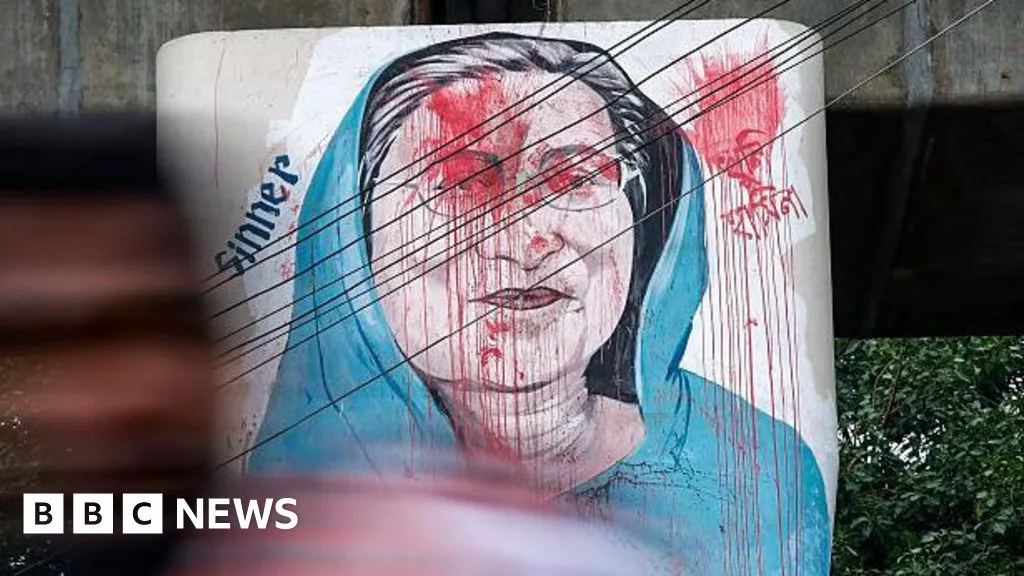
BBC News - WorldFIG 01
Reading time
1min
Word count
242words
Sources cited
3cited
Entities identified
7entities
NEWSAR · AI
Former leader Hasina, convicted of crimes against humanity for a deadly crackdown on a 2024 uprising, has returned to Bangladesh despite a death penalty. UN investigators found evidence of systematic, deadly violence used by her government to retain power, with an audio recording of Hasina authorizing the crackdown used as crucial evidence. The protests, which began over job quotas, escalated into a mass uprising, resulting in an estimated 1,400 deaths. Hasina fled Dhaka as protests intensified and government buildings were stormed. The current Bangladesh Nationalist Party government, which came to power after February elections, has warned media against publishing Hasina's comments and expressed outrage at India for allowing her a public meeting, straining relations as Bangladesh seeks her extradition.
Confidence 0.90Sources 3Claims 5Entities 7
Framing
Political Strategy
Legal & Judicial
Tone
Mixed Tone
AI-assessed
CalmNeutralAlarmist
Factuality
0.70 / 1.00
Factual
LowHigh
Sources cited
3
Well sourced
FewMany
01
Ex-leader Hasina has been convicted and sentenced to death in Bangladesh.
factual
Confidence
1.00
02
Bangladesh's current government is outraged that India allowed Hasina to participate in a public meeting.
factualBangladesh foreign ministry statement
Confidence
0.90
03
An audio recording of Hasina authorizing a deadly crackdown on demonstrators was used as evidence in her conviction.
factualProsecutors
Confidence
0.90
04
UN investigators found evidence of systematic, deadly violence by Hasina's government to retain power.
factualUN investigators
Confidence
0.90
05
The UN estimates up to 1,400 people were killed during protests, mostly by security forces.
statisticUN
Confidence
0.80
§ 04
Full report
1 min read · 242 wordsKey playerOppositionContextPositiveNeutralNegative
Organizations2
political violence
1.00
death penalty
0.90
hasina
0.90
bangladesh
0.80
student protests
0.70
political motivation
0.60
security forces
0.50
extradition
0.50
india
0.40
§ 07
Connections
Who appears together in the newsIn this articleWider coverageLine weight = articles in common
Laying out network…
Strongest ties articles in common
- 199
- 127
- 80
- 46
- 46
- 40
Recurring context not named in this article
- PMuhammad Yunuslinks 6
- LUnited Kingdomlinks 6
- LChinalinks 6
- OAwami Leaguelinks 6
- PSheikh Hasinalinks 6
- OAl Jazeeralinks 6
- LPakistanlinks 6
- PNarendra Modilinks 6