Claims that the recent magnitude 7.1 earthquake that struck southwestern Japan was man-made have been spreading online, with experts dismissing the theory as unrealistic in technological, financial and practical terms.On July 28, the day the deadly earthquake hit Kumamoto prefecture, a user on social media who has previously shared false claims about earthquakes wrote that the “seismic wave is of an explosion, not a quake” in a post that has had around 3 million views as of Wednesday.Searches of posts mentioning an “earthquake" class="entity-link entity-topic" data-entity-id="179334" data-entity-type="topic">artificial earthquake” in Japanese using an analysis tool from US firm Meltwater showed hundreds of references tracked in the days before the quake. They surged to about 10,000 on the day of the disaster and around 38,000 on the following day.
SRCSouth China Morning Post
LANGEN
LEANCenter-Right
WORDS123
ENT7
THU · 2026-08-06 · 01:06 GMTBRIEF NSR-2026-0806-99581
NSR-2026-0806-99581News Report·EN·Technology
‘Artificial earthquake’ conspiracy theory sweeps Japan after Kumamoto disaster
Following a magnitude 7.1 earthquake in Japan's Kumamoto prefecture on July 28, conspiracy theories claiming the event was man-made have gained traction online. A social media user, known for spreading false earthquake claims, posted that the seismic waves indicated an explosion rather than a natural quake, a post that garnered millions of views.
KyodoSouth China Morning PostFiled 2026-08-06 · 01:06 GMTLean · Center-RightRead · 1 min
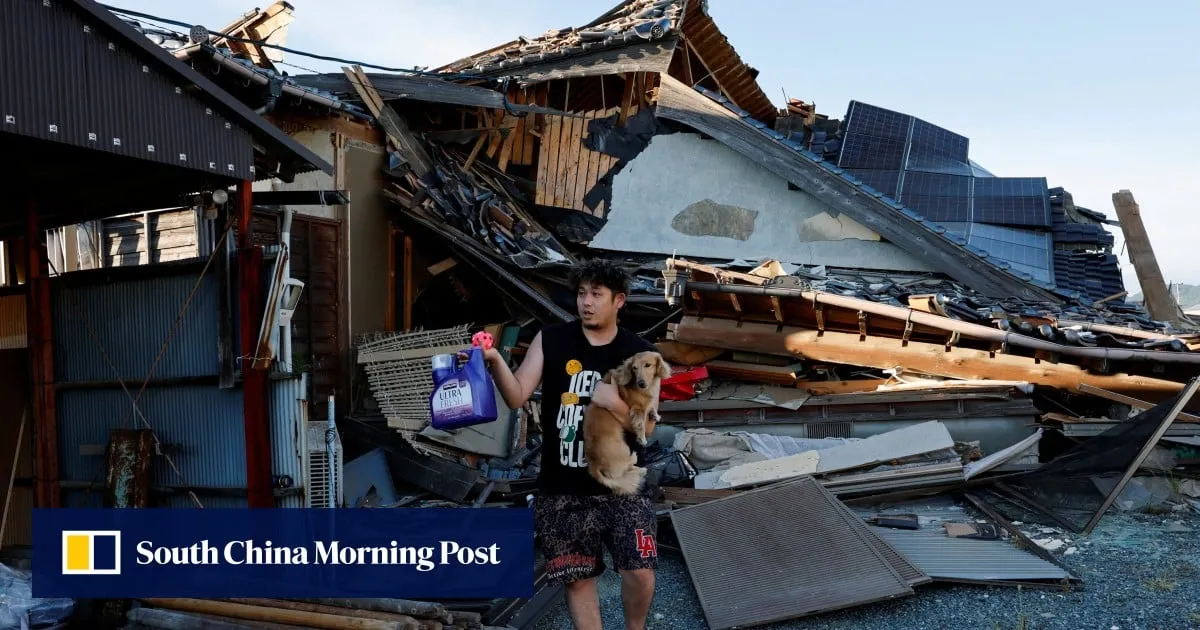
South China Morning PostFIG 01
Reading time
1min
Word count
123words
Sources cited
1cited
Entities identified
7entities
Quality score
100%
§ 01
Briefing Summary
AI-generatedNEWSAR · AI
Following a magnitude 7.1 earthquake in Japan's Kumamoto prefecture on July 28, conspiracy theories claiming the event was man-made have gained traction online. A social media user, known for spreading false earthquake claims, posted that the seismic waves indicated an explosion rather than a natural quake, a post that garnered millions of views. Analysis of online posts revealed a significant surge in references to "artificial earthquakes" around the time of the disaster. Experts have dismissed these theories, deeming them technologically, financially, and practically unrealistic.
Confidence 0.85Sources 1Claims 4Entities 7
§ 02
Article analysis
Model · rule-basedFraming
Technology
Social Justice
Tone
Mixed Tone
AI-assessed
CalmNeutralAlarmist
Factuality
0.70 / 1.00
Factual
LowHigh
Sources cited
1
Limited
FewMany
§ 03
Key claims
4 extracted01
Searches showed hundreds of references to 'artificial earthquake' before the quake, surging to about 10,000 on the day and 38,000 the next.
statisticMeltwater
Confidence
0.90
02
Experts dismiss the theory as unrealistic in technological, financial and practical terms.
factualexperts
Confidence
0.90
03
Claims that the recent magnitude 7.1 earthquake that struck southwestern Japan was man-made have been spreading online.
factual
Confidence
0.90
04
A user claimed the seismic wave is of an explosion, not a quake.
quotea user on social media
Confidence
0.80
§ 04
Full report
1 min read · 123 words§ 05
Entities
7 identifiedKey playerOppositionContextPositiveNeutralNegative
Organizations1
§ 06
Keywords & salience
8 termsartificial earthquake
1.00
conspiracy theory
0.90
kumamoto disaster
0.80
seismic wave
0.70
social media
0.60
false claims
0.50
japan
0.40
experts
0.40
§ 07
Topic connections
Interactive graph Network visualization showing 51 related topics
View Full Graph Person Organization Location Event|Click node to navigate|Edge numbers = shared articles