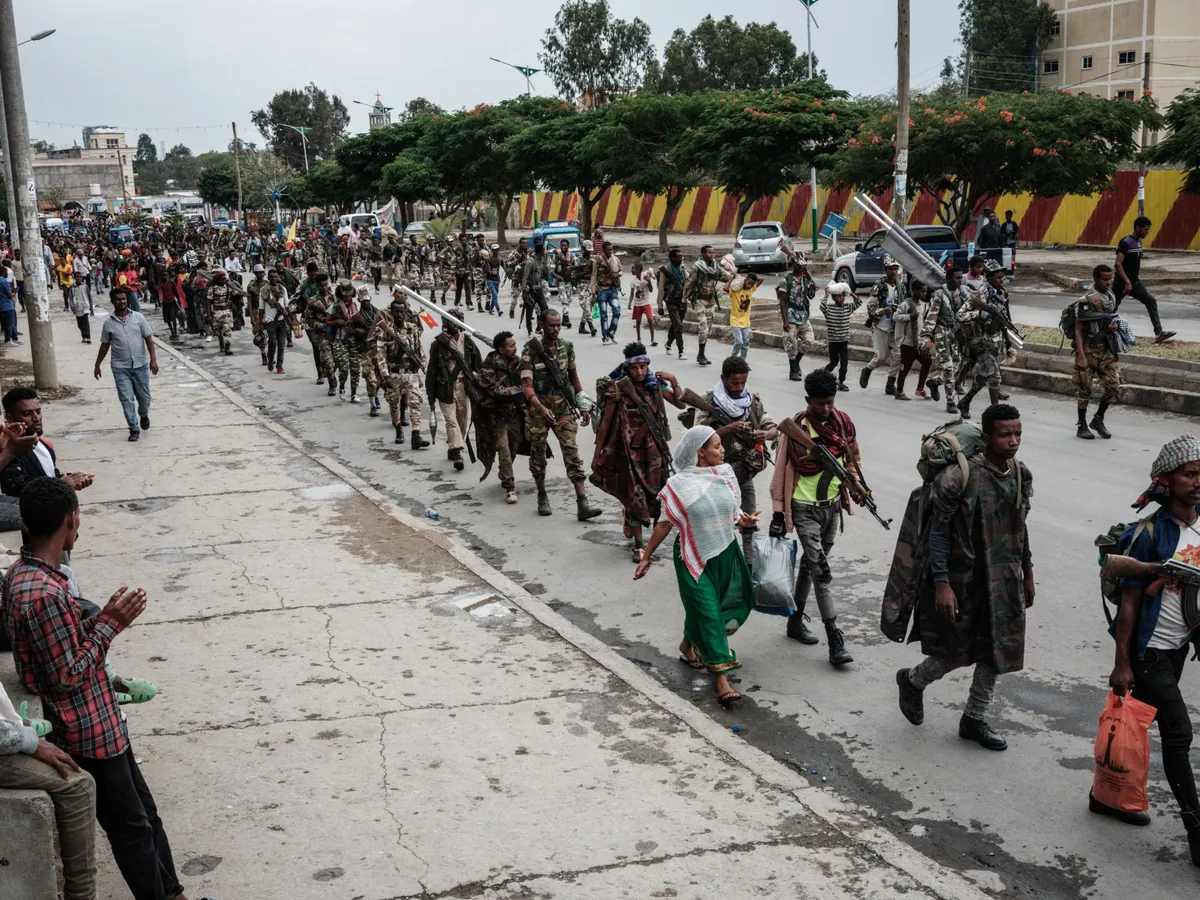
Amnesty International says impunity for past abuses has left civilians vulnerable as fighting returns to Tigray.When Ethiopia’s federal government and Tigrayan forces signed the Cessation of Hostilities Agreement in November 2022, it appeared that one of Africa’s deadliest conflicts had finally come to an end.The guns fell silent, reconstruction began, and millions of Ethiopians hoped the postwar period would bring justice for atrocities committed during the conflict.Amnesty International argues that those hopes were never realised.Instead of investigating abuses documented by international and local human rights organisations, accountability efforts steadily unravelled. International investigative mandates were allowed to expire, the Ethiopian government abandoned its proposed transitional justice process, and allegations of war crimes and crimes against humanity remained largely uninvestigated and unpunished.Today, less than four years after the agreement was signed, fighting has returned to Tigray.Amnesty says the clashes that erupted in early August between Tigrayan forces and the Ethiopian National Defence Force are a stark reminder of the dangers of impunity. The organisation warns that civilians once again face the risk of serious human rights abuses, even though the region has yet to recover from the devastation of the previous war.The renewed fighting comes amid ongoing conflicts in Ethiopia’s Amhara and Oromia regions, where Amnesty says grave human rights violations continue to be committed. Together, the organisation argues, these conflicts reflect the widening scope of Ethiopia’s security and human rights crisis.
SRCAl Jazeera
LANGEN
LEANCenter
WORDS230
ENT12
THU · 2026-08-06 · 13:56 GMTBRIEF NSR-2026-0806-99796
NSR-2026-0806-99796News Report·EN·Human Rights
When atrocities return: The cost of failed accountability in Tigray
Amnesty International reports that a lack of accountability for past atrocities in Tigray, Ethiopia, has left civilians vulnerable as fighting has resumed. Following a November 2022 peace agreement, hopes for justice were unmet as international investigative mandates expired and the Ethiopian government abandoned its transitional justice process.
By Mohamed Ghulam MohammaduAl JazeeraFiled 2026-08-06 · 13:56 GMTLean · CenterRead · 1 min
Al JazeeraFIG 01
Reading time
1min
Word count
230words
Sources cited
1cited
Entities identified
12entities
Quality score
100%
§ 01
Briefing Summary
AI-generatedNEWSAR · AI
Amnesty International reports that a lack of accountability for past atrocities in Tigray, Ethiopia, has left civilians vulnerable as fighting has resumed. Following a November 2022 peace agreement, hopes for justice were unmet as international investigative mandates expired and the Ethiopian government abandoned its transitional justice process. Allegations of war crimes and crimes against humanity went largely uninvestigated and unpunished. The recent clashes, which began in early August between Tigrayan forces and the Ethiopian National Defence Force, highlight the dangers of this impunity. Amnesty warns that civilians in the devastated region are again at risk of serious human rights abuses, amidst ongoing conflicts and violations in Amhara and Oromia regions, indicating a widening security and human rights crisis in Ethiopia.
Confidence 0.90Sources 1Claims 5Entities 12
§ 02
Article analysis
Model · rule-basedFraming
Human Rights
Legal & Judicial
Tone
Measured
AI-assessed
CalmNeutralAlarmist
Factuality
0.70 / 1.00
Factual
LowHigh
Sources cited
1
Limited
FewMany
§ 03
Key claims
5 extracted01
Grave human rights violations continue in Ethiopia's Amhara and Oromia regions.
factualAmnesty International
Confidence
0.90
02
Fighting has returned to Tigray less than four years after the Cessation of Hostilities Agreement.
factualAmnesty International
Confidence
0.90
03
International investigative mandates expired, Ethiopia abandoned its transitional justice process.
factualAmnesty International
Confidence
0.90
04
Accountability efforts for atrocities in Tigray unravelled instead of investigating abuses.
factualAmnesty International
Confidence
0.90
05
Impunity for past abuses in Tigray has left civilians vulnerable as fighting returns.
factualAmnesty International
Confidence
0.90
§ 04
Full report
1 min read · 230 words§ 05
Entities
12 identifiedKey playerOppositionContextPositiveNeutralNegative
Organizations4
Locations4
§ 06
Keywords & salience
10 termsimpunity
1.00
accountability
1.00
tigray
0.90
human rights abuses
0.90
failed accountability
0.80
atrocities
0.70
cessation of hostilities agreement
0.60
transitional justice
0.50
ethiopia
0.40
renewed fighting
0.40
§ 07
Topic connections
Interactive graph Network visualization showing 33 related topics
View Full Graph Person Organization Location Event|Click node to navigate|Edge numbers = shared articles