Critics say the 39 percent cap was a safeguard against excessive concentration of media ownership in the US.The United States Federal Communications Commission has voted to rescind the rule that bars local broadcast station owners from reaching more than 39 percent of the total number of US TV households in a move that could help spark industry consolidation.The FCC on Thursday voted 2-1 to lift the cap in favour of a new case-by-case approach. The commission’s sole Democrat, Anna Gomez, said the proposal was illegal and argued only the US Congress can lift the cap. Many critics argue the move will lead to excessive market power among station owners.Recommended Stories list of 4 itemslist 1 of 4Can the US slow China’s robotics and tech rise?list 2 of 4Will the US-Iran war and Hormuz deadlock last for months?list 3 of 4Why $370bn tech group Palantir pays 1.4 percent tax rate: Reportlist 4 of 4Trump vows to find ‘leakers’ after reports of depleted Iran war munitionsend of listUnder the rules, stations with weaker over-the-air signals can be partially counted against a company’s ownership cap. The FCC has limited ownership of local broadcast stations since 1941 and most recently raised the cap to 39 percent in 2004.FCC Chairman Brendan Carr said the move is about helping local broadcasters survive and pointed to the sharp decline in local newspapers.“We should stop hamstringing this one segment of the broader market with outdated restrictions,” Carr said.“The FCC kept a rule on the books in the name of localism that contributed to the gutting of local newspapers … I don’t want local broadcast TV to go the way of local newspapers.”The FCC said the new rule would consider applications on television company mergers that would go above 39 percent on an individual basis to determine if they are in the public interest. The agency said it would “remove artificial restrictions on opportunities for broadcast television to attract capital and generate revenue”.
SRCAl Jazeera
LANGEN
LEANCenter
WORDS324
ENT10
THU · 2026-08-06 · 19:25 GMTBRIEF NSR-2026-0806-99916
NSR-2026-0806-99916News Report·EN·Economic Impact
US ends cap on local TV station owners amid concerns of media consolidation
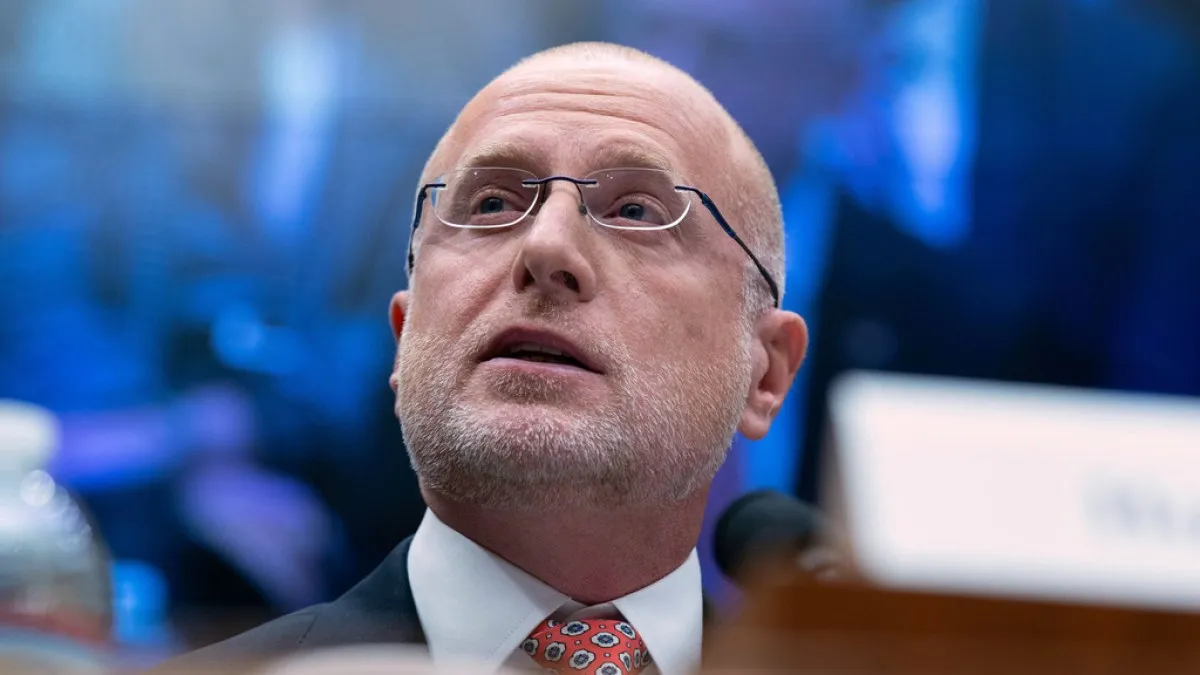
The US Federal Communications Commission (FCC) has voted to remove a 39 percent cap on the number of local broadcast television households a single owner can reach. This decision, made by a 2-1 vote, aims to help local broadcasters compete by removing what FCC Chairman Brendan Carr described as "outdated restrictions" that have contributed to the decline of local newspapers.
By ReutersAl JazeeraFiled 2026-08-06 · 19:25 GMTLean · CenterRead · 2 min
Al JazeeraFIG 01
Reading time
2min
Word count
324words
Sources cited
3cited
Entities identified
10entities
Quality score
100%
§ 01
Briefing Summary
AI-generatedNEWSAR · AI
The US Federal Communications Commission (FCC) has voted to remove a 39 percent cap on the number of local broadcast television households a single owner can reach. This decision, made by a 2-1 vote, aims to help local broadcasters compete by removing what FCC Chairman Brendan Carr described as "outdated restrictions" that have contributed to the decline of local newspapers. Critics, however, argue that this move will lead to excessive media consolidation and that only Congress has the authority to lift such a cap. The FCC will now review ownership applications exceeding the previous limit on a case-by-case basis to determine if they are in the public interest.
Confidence 0.90Sources 3Claims 5Entities 10
§ 02
Article analysis
Model · rule-basedFraming
Economic Impact
Legal & Judicial
Tone
Measured
AI-assessed
CalmNeutralAlarmist
Factuality
0.70 / 1.00
Factual
LowHigh
Sources cited
3
Well sourced
FewMany
§ 03
Key claims
5 extracted01
The sole Democrat on the FCC, Anna Gomez, argued the proposal was illegal and only Congress can lift the cap.
quoteAnna Gomez
Confidence
1.00
02
The FCC has limited ownership of local broadcast stations since 1941 and most recently raised the cap to 39 percent in 2004.
factualFCC
Confidence
1.00
03
FCC Chairman Brendan Carr stated the move is about helping local broadcasters survive and pointed to the decline in local newspapers.
quoteBrendan Carr
Confidence
1.00
04
Critics argue the move will lead to excessive market power among station owners.
quoteCritics
Confidence
1.00
05
The FCC voted to rescind the rule that bars local broadcast station owners from reaching more than 39 percent of US TV households.
factualFCC
Confidence
1.00
§ 04
Full report
2 min read · 324 words§ 05
Entities
10 identifiedKey playerOppositionContextPositiveNeutralNegative
§ 06
Keywords & salience
9 termsfcc
1.00
media consolidation
1.00
local tv station owners
0.90
ownership cap
0.90
media ownership
0.80
broadcasters
0.70
market power
0.60
localism
0.50
local newspapers
0.40
§ 07
Topic connections
Interactive graph Network visualization showing 51 related topics
View Full Graph Person Organization Location Event|Click node to navigate|Edge numbers = shared articles