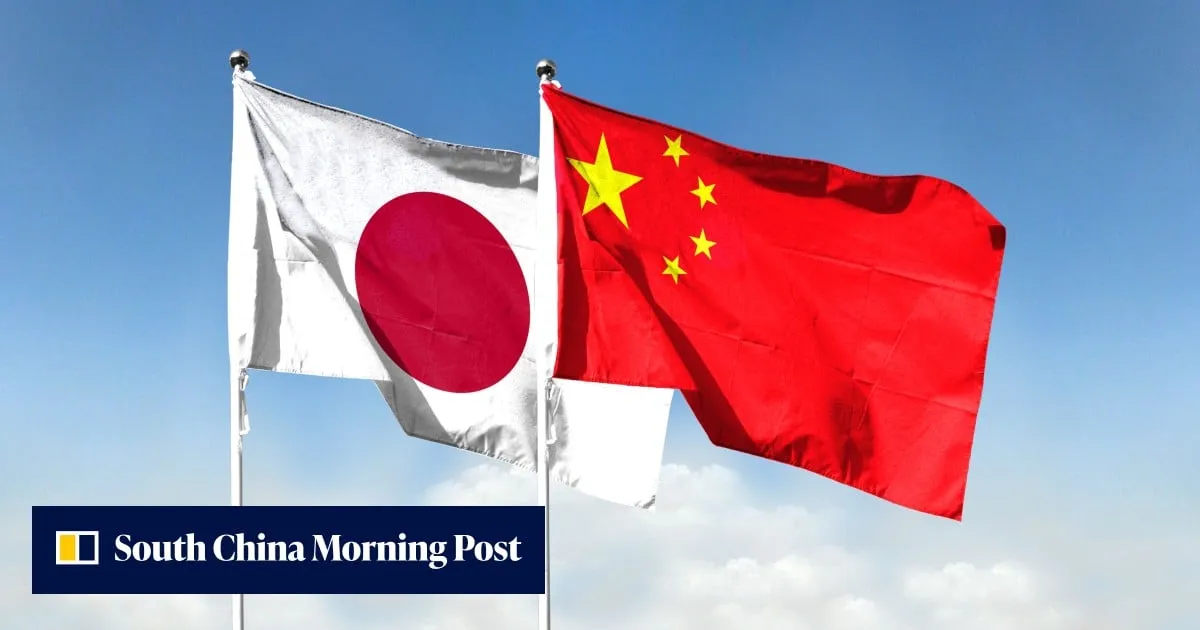
No longer confined to disputed islands or historical memory, the rivalry between Beijing and Tokyo has evolved into a fight for the global microphone, as both countries try to define each other’s international identity.Amid an escalating diplomatic crisis, China is intensifying its rhetoric against what it calls Japan’s “new militarism”, using World War II-era history to rally regional and global sympathy for its position.In stark contrast, Japan has rejected the label as “false claims”, casting itself as a defender of regional security, a peace-loving country and a victim of “coercion”.
SRCSouth China Morning Post
LANGEN
LEANCenter-Right
WORDS90
ENT7
FRI · 2026-08-07 · 01:00 GMTBRIEF NSR-2026-0807-99946
NSR-2026-0807-99946Analysis·EN·Diplomatic
China vs Japan: the battle for the global microphone to reshape post-war identity
China and Japan are engaged in a competition for global influence, aiming to shape each other's international identities. China is employing rhetoric about Japan's "new militarism," referencing World War II history to garner regional and global support.
Carol YangSouth China Morning PostFiled 2026-08-07 · 01:00 GMTLean · Center-RightRead · 1 min
South China Morning PostFIG 01
Reading time
1min
Word count
90words
Sources cited
0cited
Entities identified
7entities
Quality score
100%
§ 01
Briefing Summary
AI-generatedNEWSAR · AI
China and Japan are engaged in a competition for global influence, aiming to shape each other's international identities. China is employing rhetoric about Japan's "new militarism," referencing World War II history to garner regional and global support. Japan refutes these claims, labeling them as "false" and presenting itself as a peace-loving nation committed to regional security and a victim of "coercion." This diplomatic struggle signifies an evolution of their rivalry beyond territorial disputes and historical grievances.
Confidence 0.85Claims 4Entities 7
§ 02
Article analysis
Model · rule-basedFraming
Diplomatic
Conflict
Tone
Mixed Tone
AI-assessed
CalmNeutralAlarmist
Factuality
0.40 / 1.00
Mixed
LowHigh
Sources cited
0
No named sources
FewMany
§ 03
Key claims
4 extracted01
Japan casts itself as a defender of regional security and a victim of “coercion”.
quoteJapan
Confidence
1.00
02
Japan has rejected the label of “new militarism” as “false claims”.
quoteJapan
Confidence
1.00
03
China is intensifying its rhetoric against what it calls Japan’s “new militarism”.
quoteChina
Confidence
1.00
04
The rivalry between China and Japan has evolved into a fight for the global microphone to define each other’s international identity.
factual
Confidence
0.80
§ 04
Full report
1 min read · 90 words§ 05
Entities
7 identifiedKey playerOppositionContextPositiveNeutralNegative
§ 06
Keywords & salience
8 termsglobal microphone
1.00
post-war identity
0.90
china japan rivalry
0.90
international identity
0.80
new militarism
0.70
world war ii history
0.60
regional security
0.50
diplomatic crisis
0.40
§ 07
Topic connections
Interactive graph Network visualization showing 51 related topics
View Full Graph Person Organization Location Event|Click node to navigate|Edge numbers = shared articles