
Lunar New Year
Event CulturalLunar New Year is a cultural celebration observed by many, marked by family gatherings, traditions, and varying economic and social impacts.
Total Coverage:98 articles
Last 7 Days:0
Event Overview
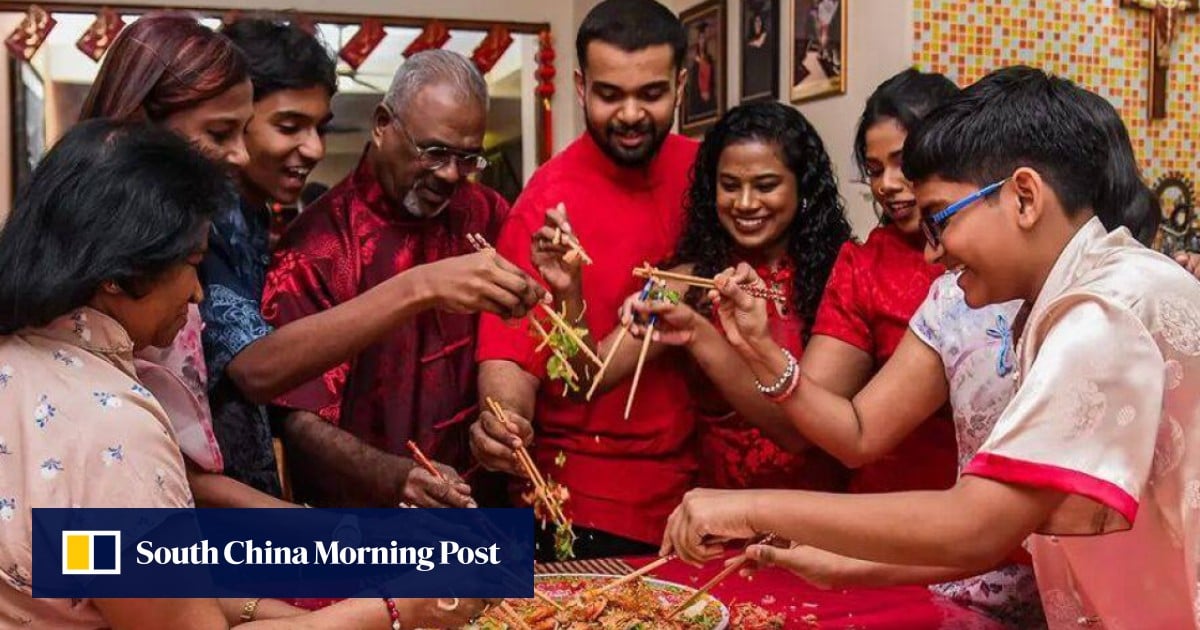
Lunar New Year, a significant cultural event, is a time for family reunions and traditional observances, as highlighted by various recent news articles. For adoptees raised in the US, it's a period to explore their identity, connecting with their Chinese heritage. Buddhist temples, like Wei Mountain Temple, incorporate the holiday by displaying relics and blessing devotees. However, the celebration has also been a point of cultural contention, as seen with K-pop star G-Dragon's use of the term "Lunar New Year," which sparked debate among Chinese netizens. Economically, China's box office experienced its weakest Lunar New Year performance in six years, while Chinese tourism to Japan saw a 50% drop, with Thailand benefiting instead. In Hong Kong, the holiday period saw significant crowds at campsites, prompting authorities to consider booking systems and fees to manage overcrowding. Notably, the embrace of Lunar New Year extends beyond Chinese communities, with non-Chinese individuals in Southeast Asia actively participating in and celebrating the festivities, underscoring its growing cultural significance.
Last updated: June 19, 2026
Summary Evolution
Coverage Timeline

Hong Kong’s property deals exceed 7,000 for the sixth straight month in March

US sounds alarm over China’s humanoid robots amid security concerns

996 comes to America, Hasan Piker’s ‘Chinese thoughts’: 7 US-China relations reads
Teeth, finger bones and blessings: Buddhist relics inspire belief

Cultural clash: K-pop superstar G-Dragon divides China fans with ‘Lunar New Year’ greetings
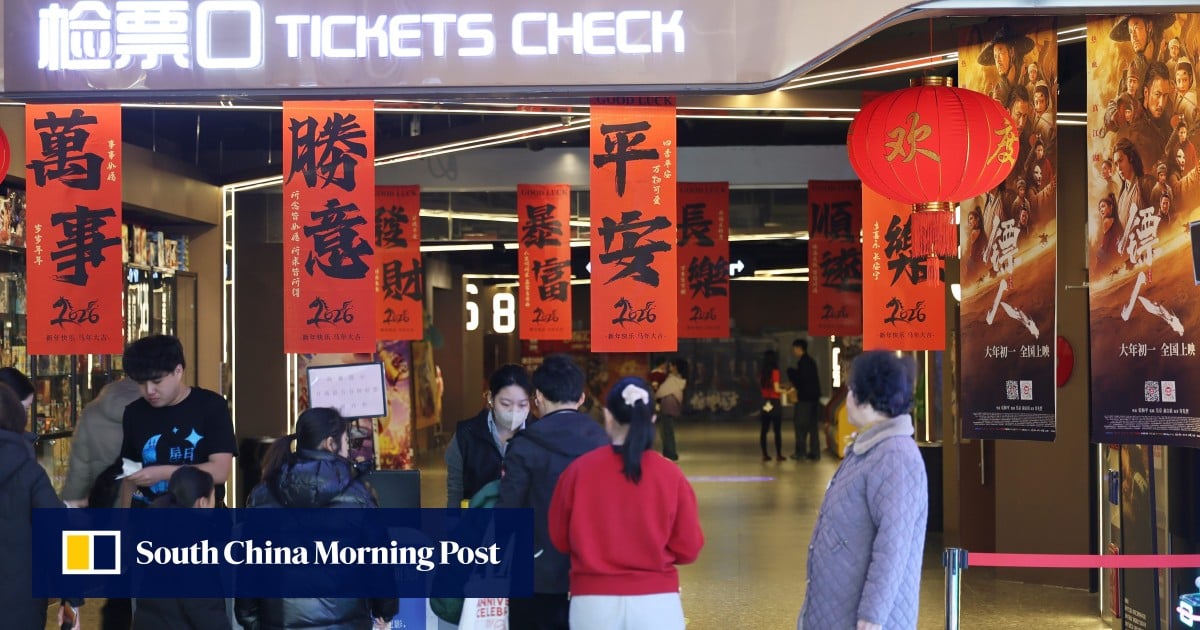
China’s Lunar New Year box office hits 6-year low as releases fall flat
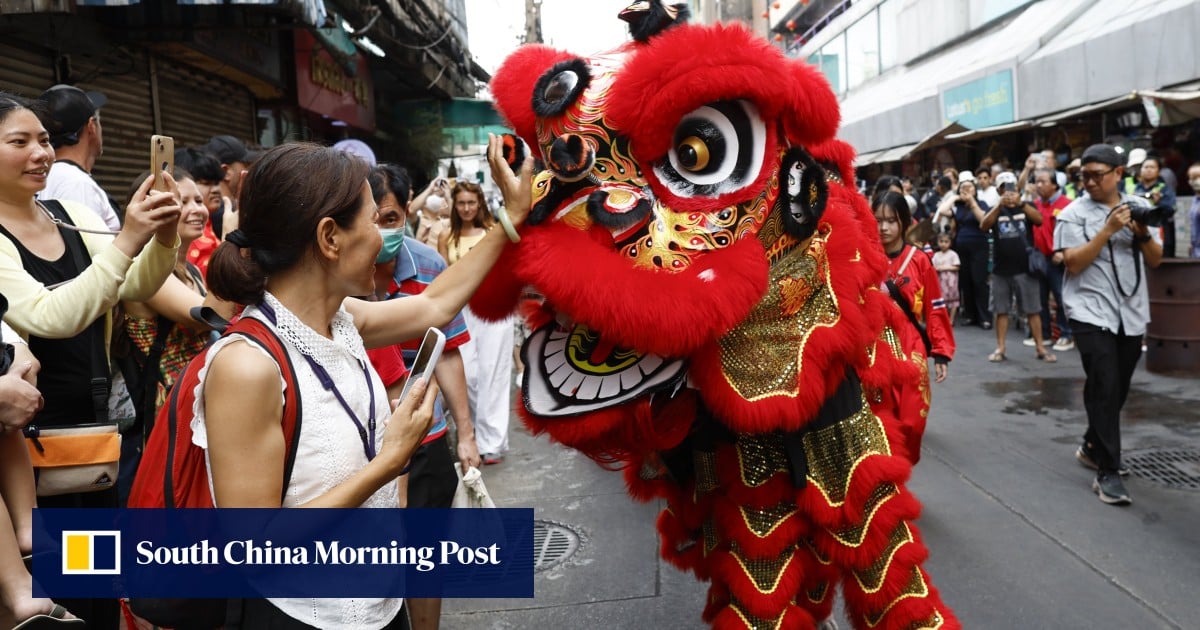
Chinese tourism to Japan plunges 50% over Lunar New Year as Thailand cashes in
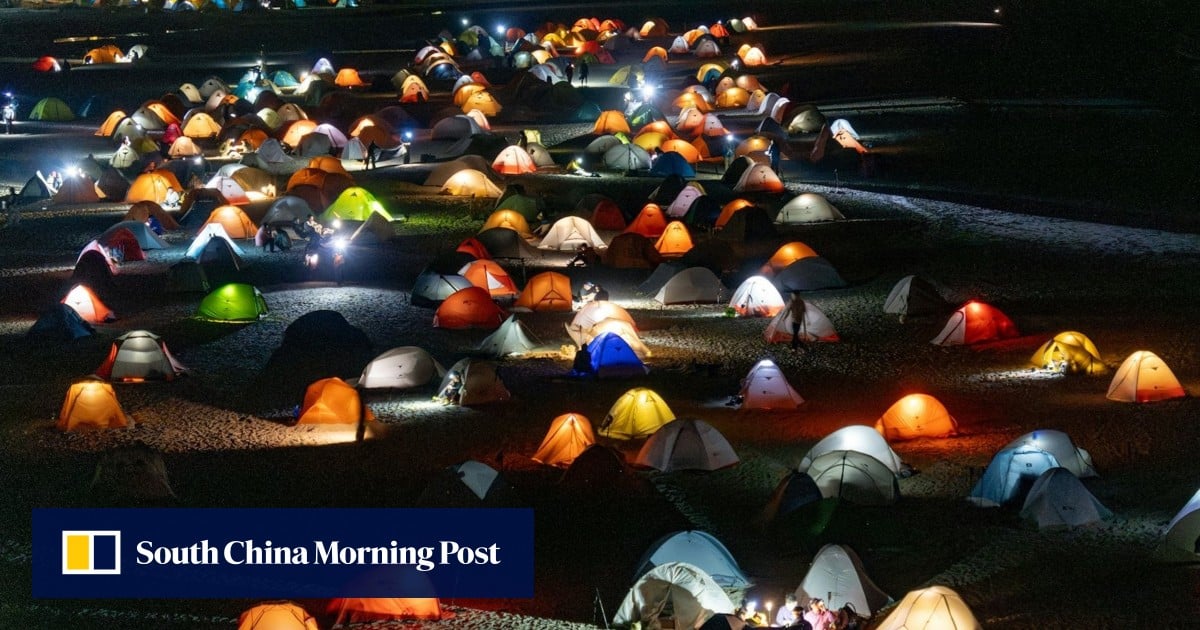
Crowds at campsites ‘not out of control’: Hong Kong conservation authorities