_in_Silver_Spring%2C_Montgomery_County%2C_Maryland.jpg?width=300)
National Oceanic and Atmospheric Administration
Organization EducationalNOAA studies oceans & atmosphere, providing forecasts & research on weather, climate, and space weather.
Mentions:2
7 Days:1
About
The National Oceanic and Atmospheric Administration (NOAA) is a U.S. agency focused on understanding and predicting changes in the Earth's environment, from the depths of the ocean to the surface of the sun. NOAA's work includes weather forecasting, climate monitoring, fisheries management, and coastal restoration. Recently, NOAA has been in the news due to several significant environmental events and discoveries. These include the potential return of El Niño this summer, which could drive global temperatures to record highs, and forecasts of intense geomagnetic storms that could make auroras visible in southern US states. NOAA's space weather prediction center issued these forecasts. Additionally, NOAA's work is relevant to the discovery of the oldest known whale song recording, which could provide new insights into ocean sounds and whale communication. NOAA also contributes to understanding the impacts of climate change, as evidenced by reports confirming 2025 as the third-warmest year on record. These events highlight NOAA's crucial role in monitoring and predicting environmental changes that impact both local communities and the global climate.
Last updated: May 2, 2026
Recent Coverage

US records hottest summer in 132 years
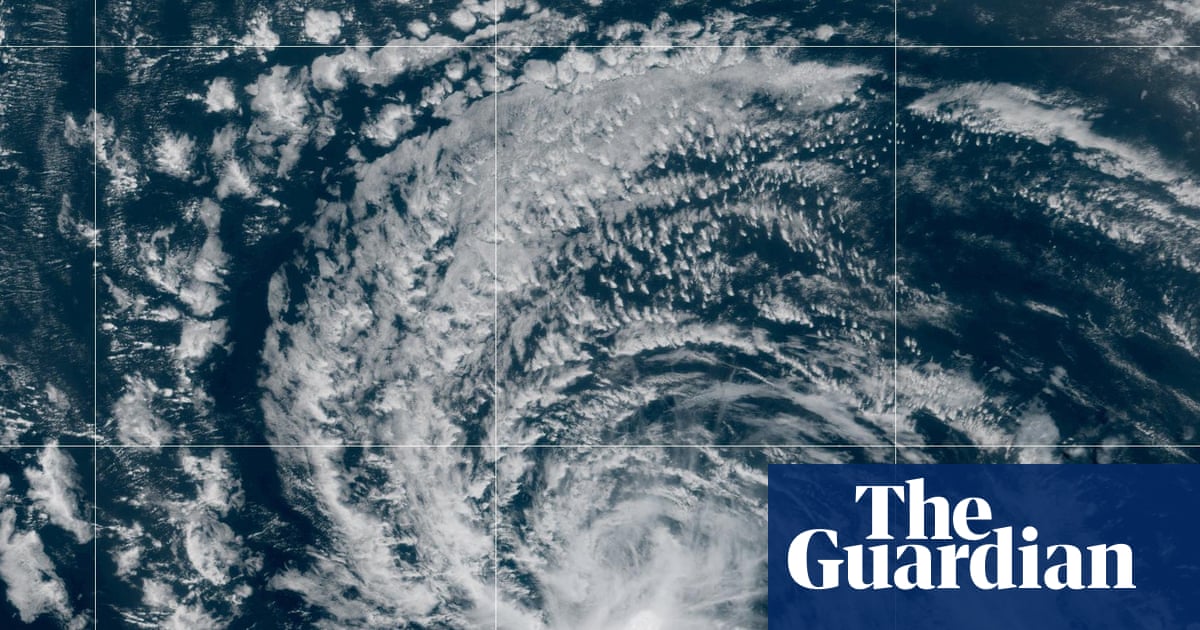
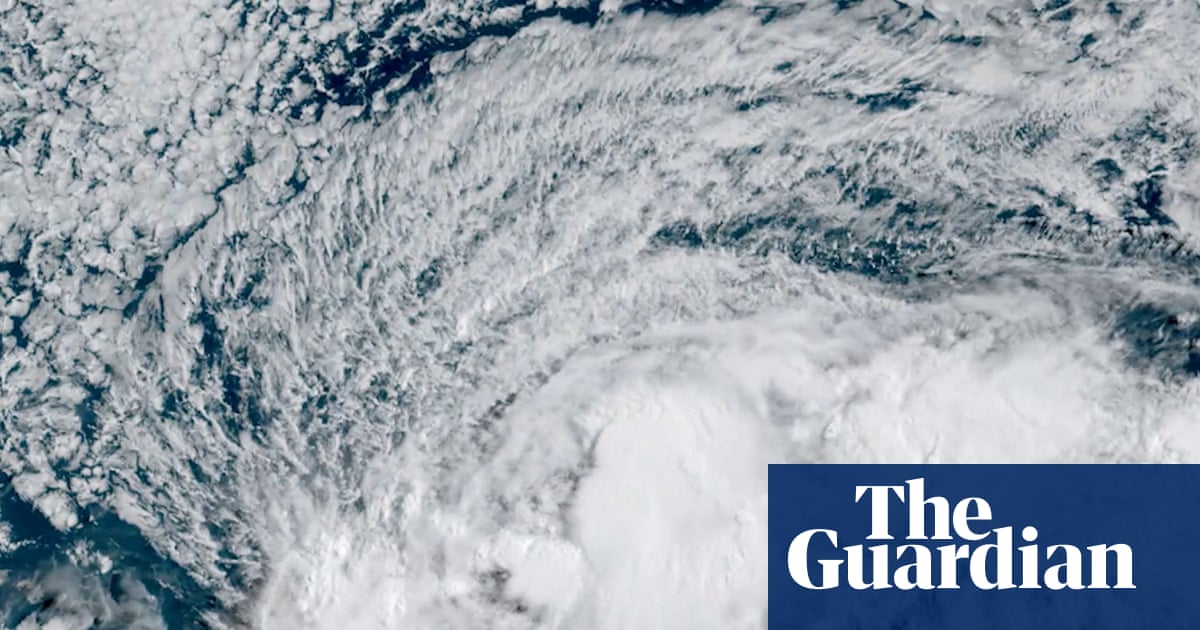
Tropical Storm Dolly speeding across Atlantic toward the Caribbean
Tropical Storm Dolly forms in the Atlantic Ocean far from land
The next Atlantic storm will be named Dolly, but it’s not connected to Parton’s death
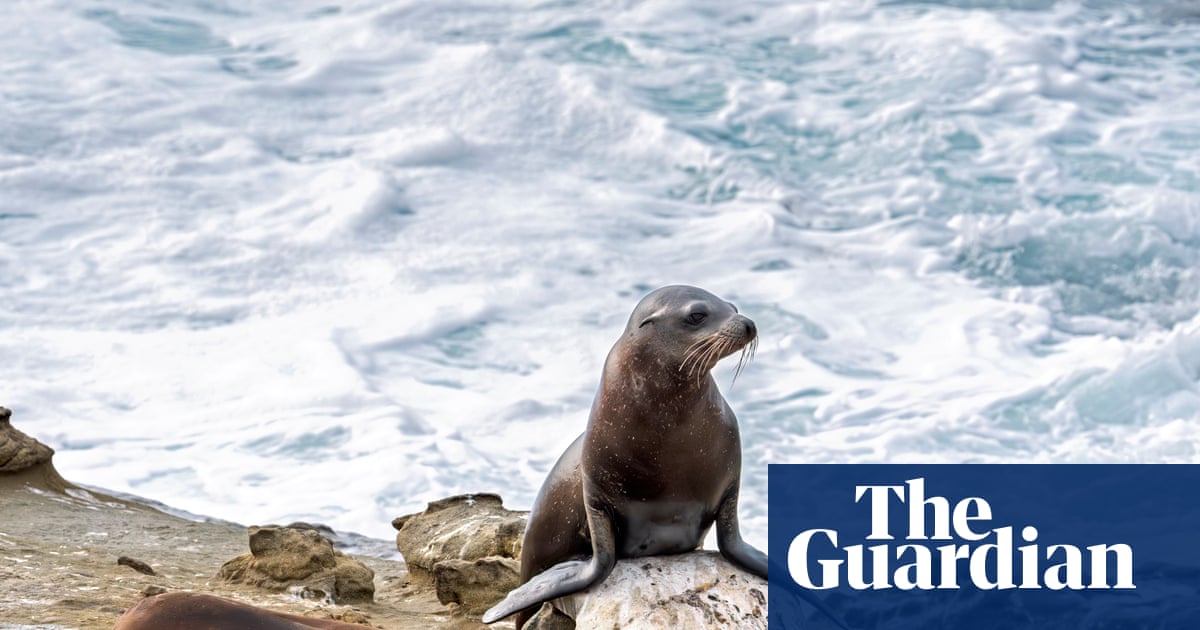
Teenager pleas guilty to attacking California sea lion in viral video
A rare hurricane landfall threat for Hawaii’s Big Island as Lala nears
San Diego man pleads guilty to kicking protected sea lion in an attack caught on video