

Nazi
Organization IdeologyThe Nazi regime, responsible for genocide and war crimes during WWII, remains relevant in historical and contemporary contexts.
Mentions:13
7 Days:0
Velocity:-100.0%
About
The Nazi regime, led by Adolf Hitler in Germany from 1933 to 1945, was a fascist and antisemitic political entity responsible for the systematic persecution and murder of millions of Jews, Roma, LGBTQ+ individuals, and political opponents during the Holocaust. The regime also initiated World War II, resulting in widespread devastation and loss of life.
The Nazi's are newsworthy due to ongoing efforts to address the legacy of their crimes, including the restitution of stolen art (Modigliani), debates about historical representation (Gulag museum shift), and the pursuit of justice for victims (photos of executions). The term "Nazi" and related concepts like "collaboration" are also used in contemporary political discourse, highlighting the enduring relevance of this historical period. Furthermore, scrutiny of individuals with alleged antisemitic views, such as Kanye West, and the examination of historical figures who served the regime, like Leni Riefenstahl, keep the Nazi era in the public consciousness.
Last updated: October 5, 2026
Summary Evolution
Recent Coverage
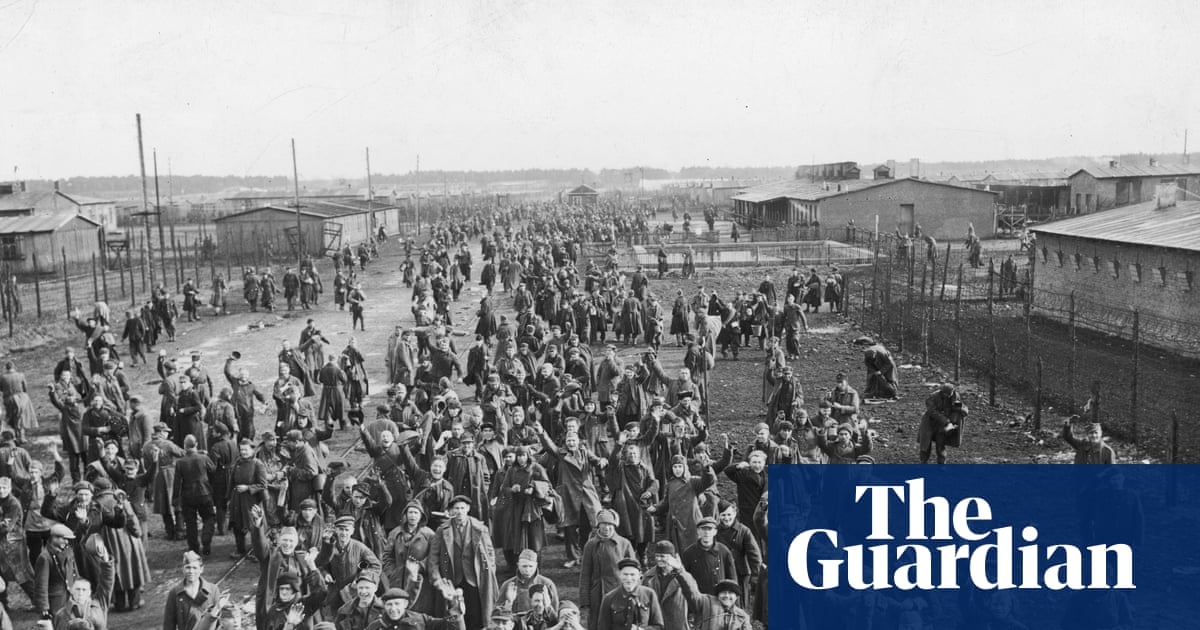
Germany investigates 105-year-old suspected former Nazi prison camp guard

105-year-old investigated for crimes at Nazi PoW camp in Germany

‘I fear the price could be high’: Inside the German state where the far-right surged
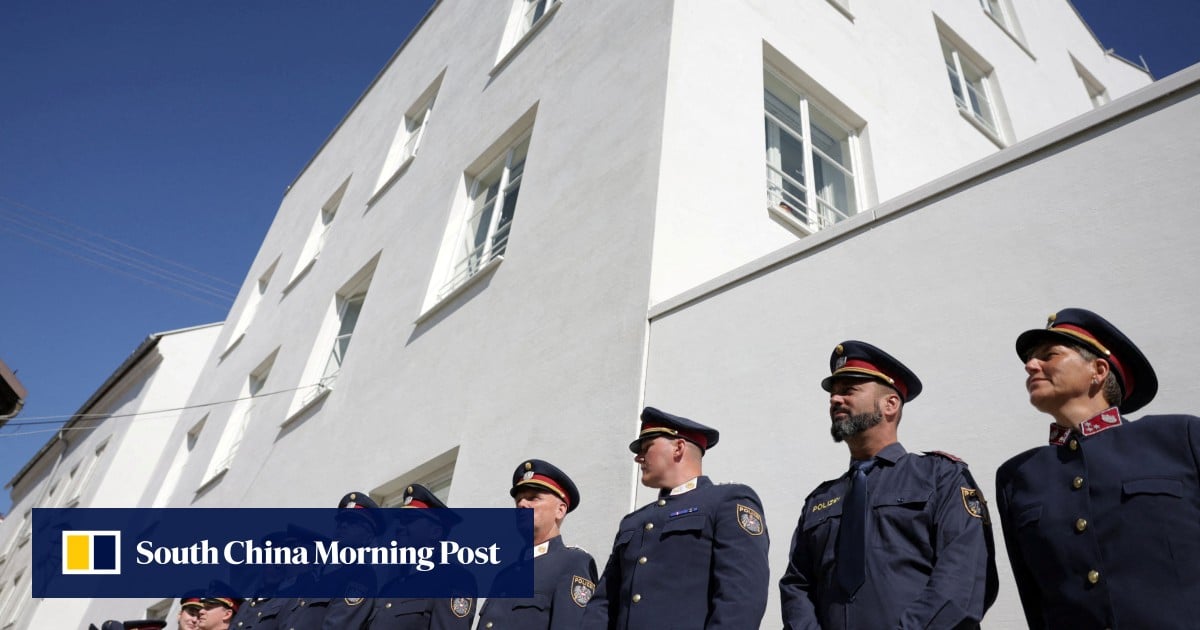
Hitler’s Austrian birthplace reopens as a police station to deter neo-Nazis
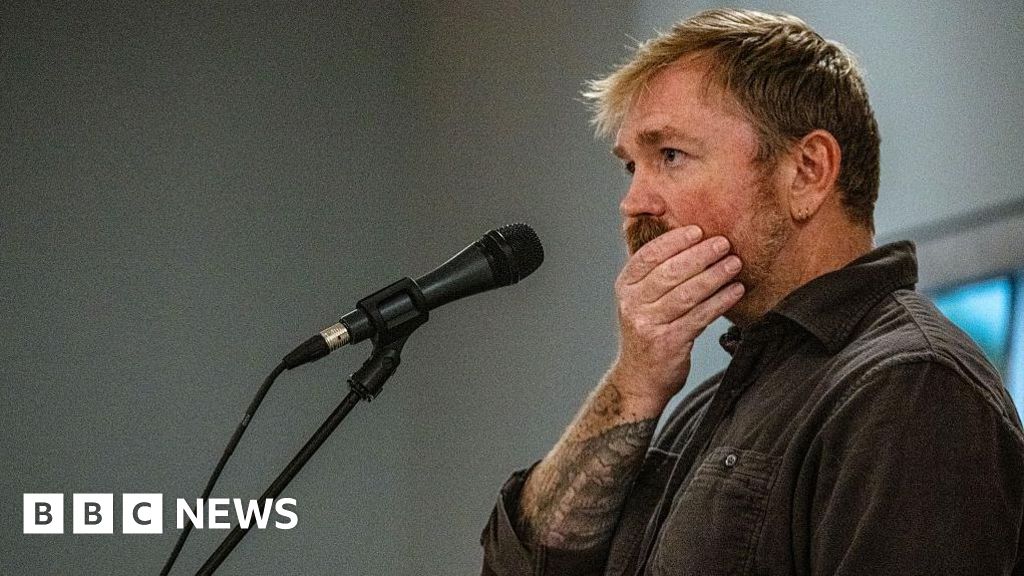
Platner's disastrous candidacy exposes rifts that could dampen Democrats' Senate hopes

'Absolute madness': Row over plan to demolish Nazi bunker under Berlin

Colaboracionistas
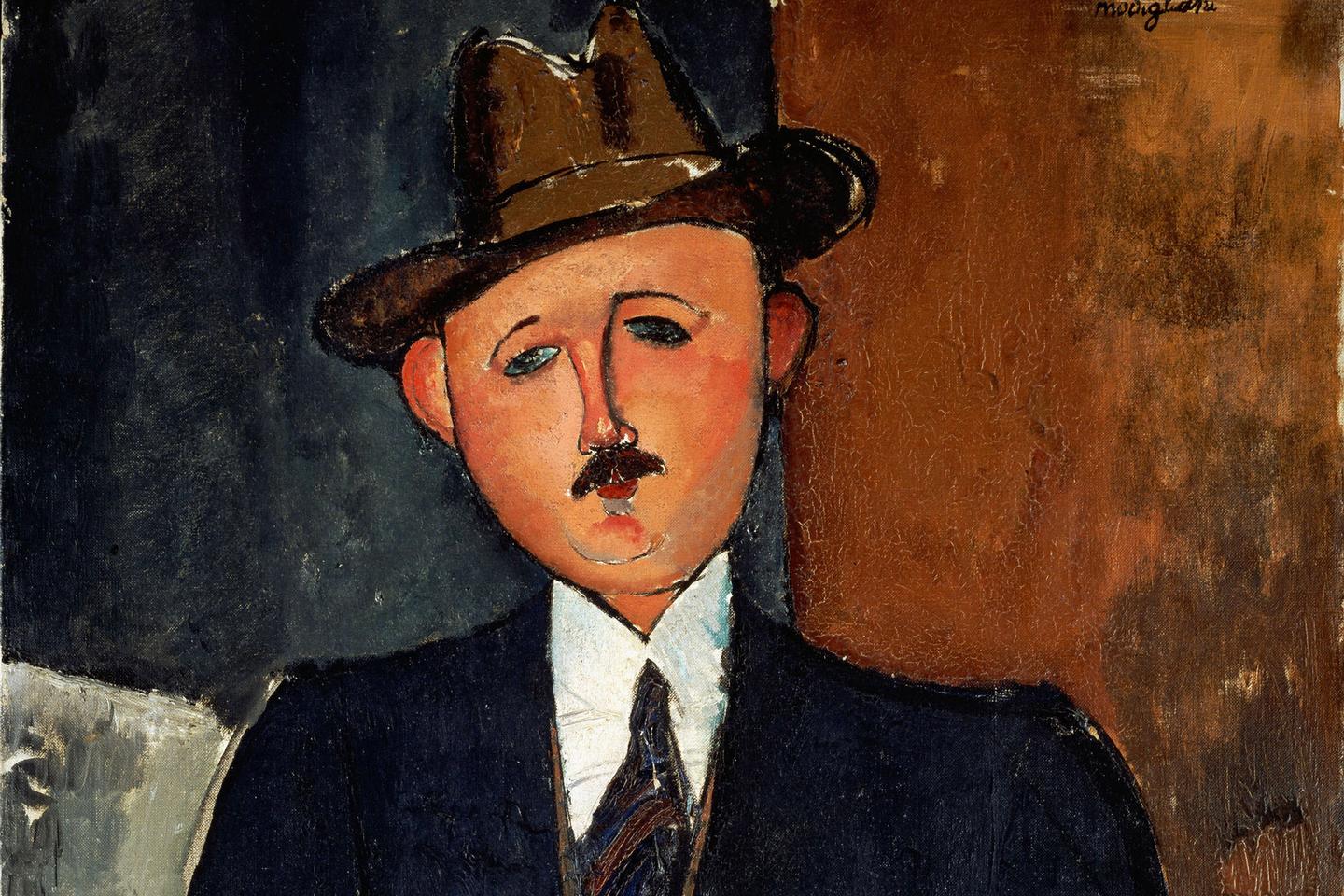
Un tribunal américain ordonne la restitution à un agriculteur français d’un Modigliani volé à son grand-père par les nazis